The Liturgical Movement
From Monastic Restoration to the Crisis of the Sacred Rite — A Chronicle of the Catholic Liturgical Tradition
Dom Prosper Guéranger purchases the derelict Priory of Solesmes with five priests, igniting the Restorationist phase of the Liturgical Movement.
Key Figure: Dom Prosper Guéranger (1805–1875)
Orthodox RenewalThe French Revolution (1789–1799) had devastated Catholic life in France. Monasteries were dissolved, churches desecrated, and the liturgy itself attacked. By 1833, not a single Benedictine monastery remained active in France.
The ancient Priory of Solesmes, founded in 1010, had sat abandoned for over four decades, its buildings crumbling and its lands sold off.
Sources: Institutions Liturgiques (1840–51); Johnson, Prosper Guéranger: A Liturgical Theologian
Guéranger purchased Solesmes with a specific mission: to restore the pure Roman liturgy as a bulwark against Gallicanism—the French tendency toward liturgical independence from Rome.
During the 18th century, dozens of French dioceses had adopted their own “neo-Gallican” liturgies, introducing novel prayers, suppressing ancient feasts, and diluting the Roman tradition. Guéranger saw this as a corruption that weakened both faith and unity.
His vision was decidedly restorationist, not innovationist. He sought to recover what had been lost—the authentic Roman Rite, Gregorian chant from medieval manuscripts, and the monastic Divine Office—not to create something new.
The term “Liturgical Movement” would later be claimed by reformers with very different intentions. What began as Guéranger's restoration would, by the mid-20th century, be redirected toward innovation and eventually the wholesale replacement of the Roman Rite.
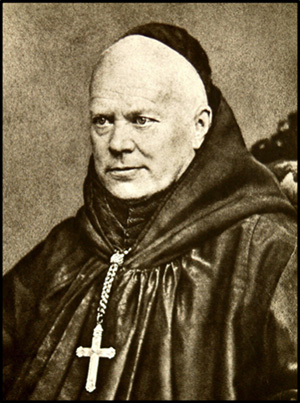
Dom Prosper Guéranger
Public domain
Franz Xaver Witt founds the Allgemeine Cäcilienverein (General Caecilian Society) to reform sacred music in the German-speaking world, promoting polyphony and chant over theatrical operatic styles.
Key Figure: Franz Xaver Witt
Orthodox RenewalThe Caecilian Movement built on Solesmes’ scholarly work by focusing on the practical reform of parish and cathedral music. Witt’s society received papal approval and spread across Europe, purging operatic abuses from sacred music and restoring Palestrina’s polyphony and Gregorian chant to liturgical primacy.
Source: Robert Hayburn, Papal Legislation on Sacred Music (1979)
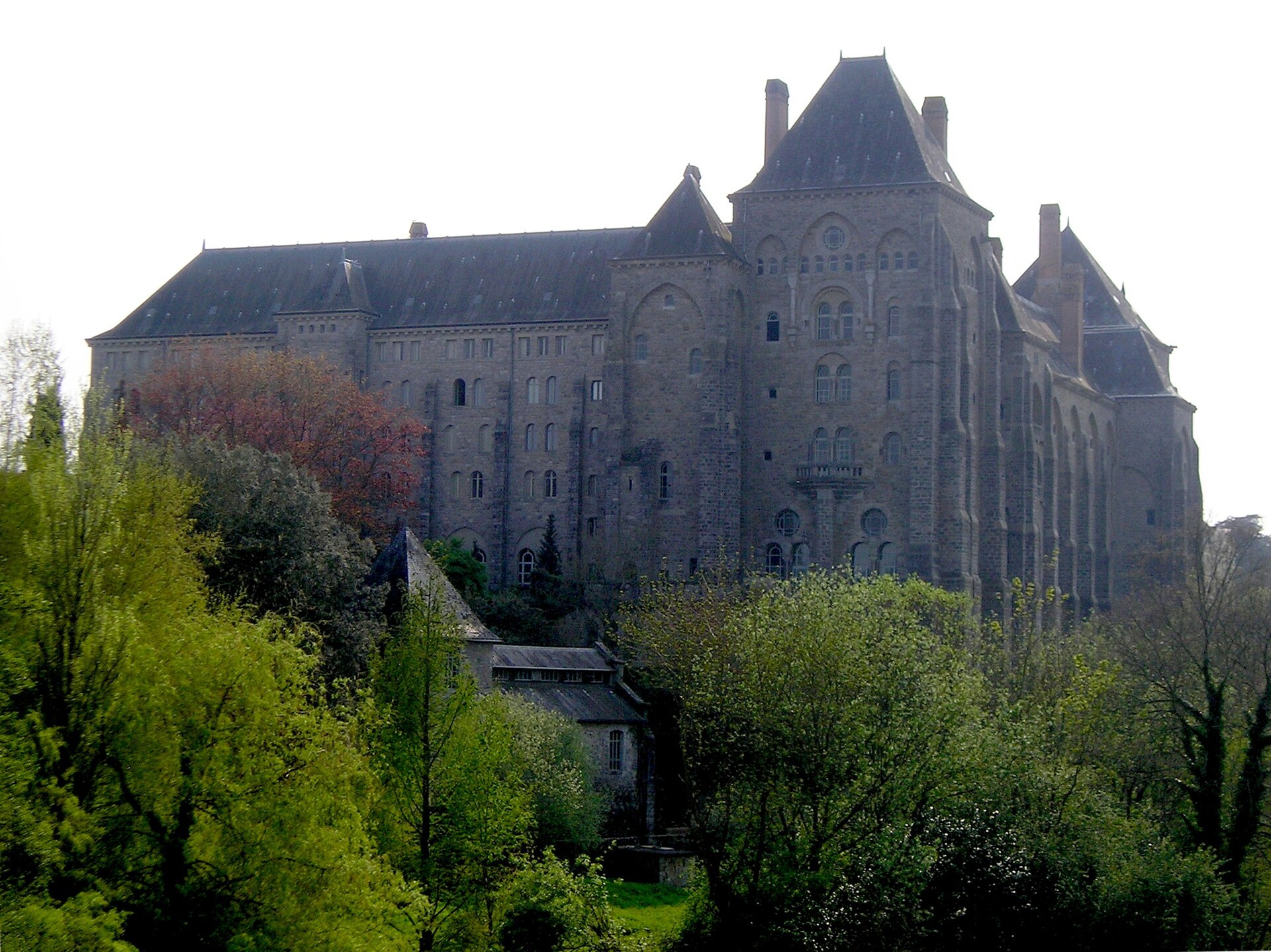
Abbey of Saint-Pierre de Solesmes — the scholarly foundation the Caecilian Movement built upon
Public domain
Pope St. Pius X issues his motu proprio on sacred music, coining the term “participatio actuosa” (active participation).
Key Figure: Pope St. Pius X (Giuseppe Sarto)
Papal / MagisterialThe phrase would become the most cited passage in all subsequent liturgical reform.
Sources: To be added
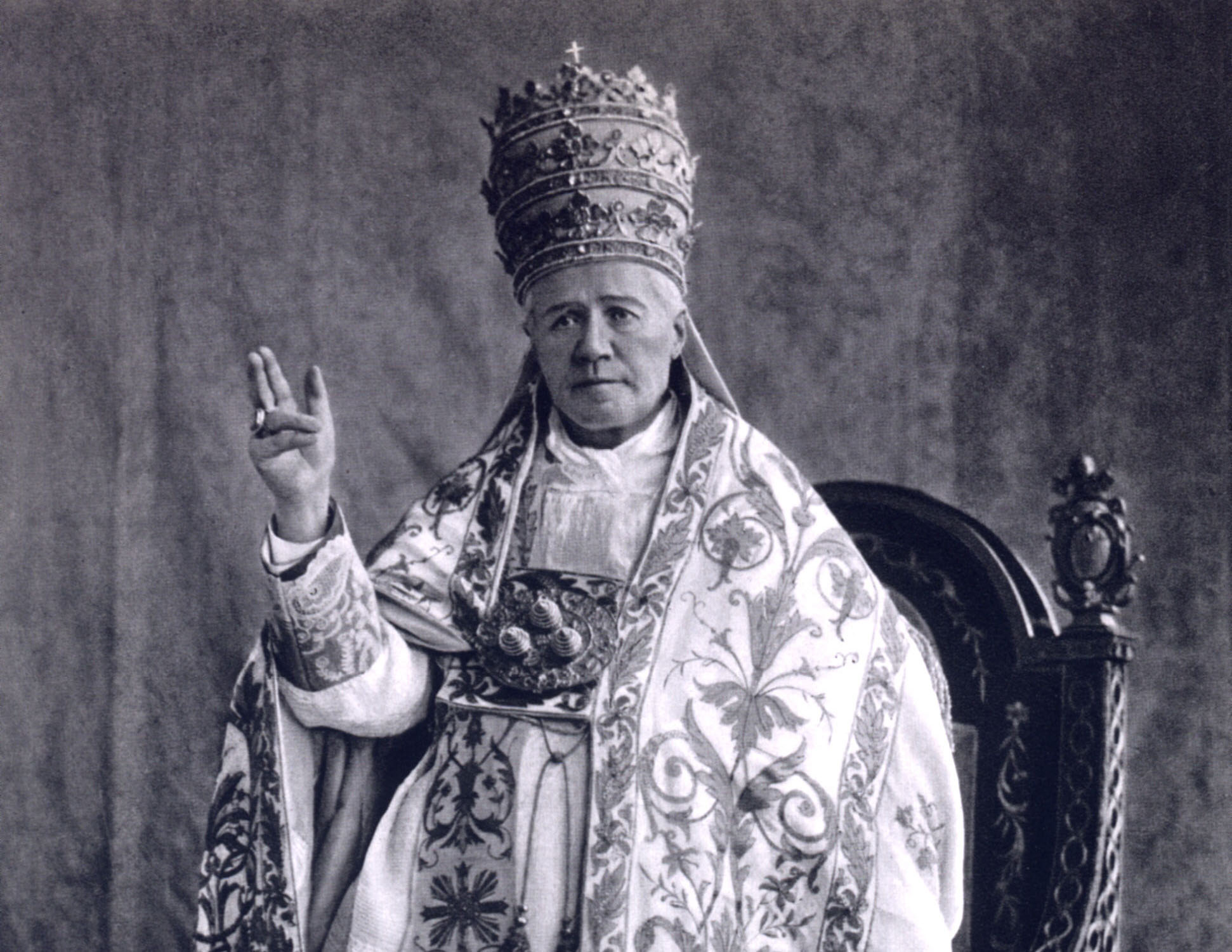
Pope St. Pius X
Public domain
Guéranger publishes his monumental multi-volume work on the liturgical year while Solesmes monks restore Gregorian chant from medieval manuscripts.
Key Figure: L'Année Liturgique (The Liturgical Year)
ScholarshipThe Solesmes monks undertook meticulous paleographic study of medieval manuscripts.
Sources: To be added
Solesmes Abbey
Public Domain
Dom Lambert Beauduin delivers his revolutionary keynote calling to “democratize” the liturgy and return it to the people.
Key Figure: Dom Lambert Beauduin, Cardinal Mercier
Orthodox RenewalBeauduin brought a pastoral urgency absent from Guéranger's more academic restoration.
Sources: To be added
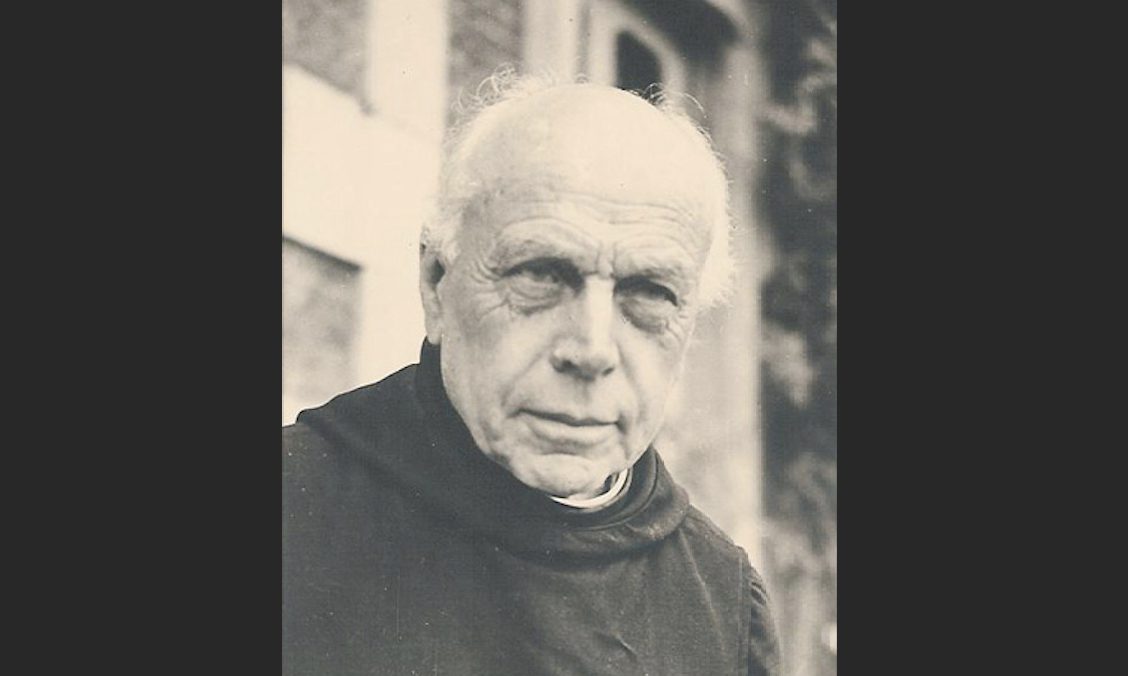
Dom Lambert Beauduin OSB, founder of the pastoral Liturgical Movement
Public domain
Abbot Ildefons Herwegen convenes the first liturgical conference for lay people at Maria Laach Abbey.
Key Figure: Abbot Ildefons Herwegen, Dom Odo Casel
Orthodox RenewalMaria Laach became the intellectual powerhouse of the German movement.
Sources: To be added
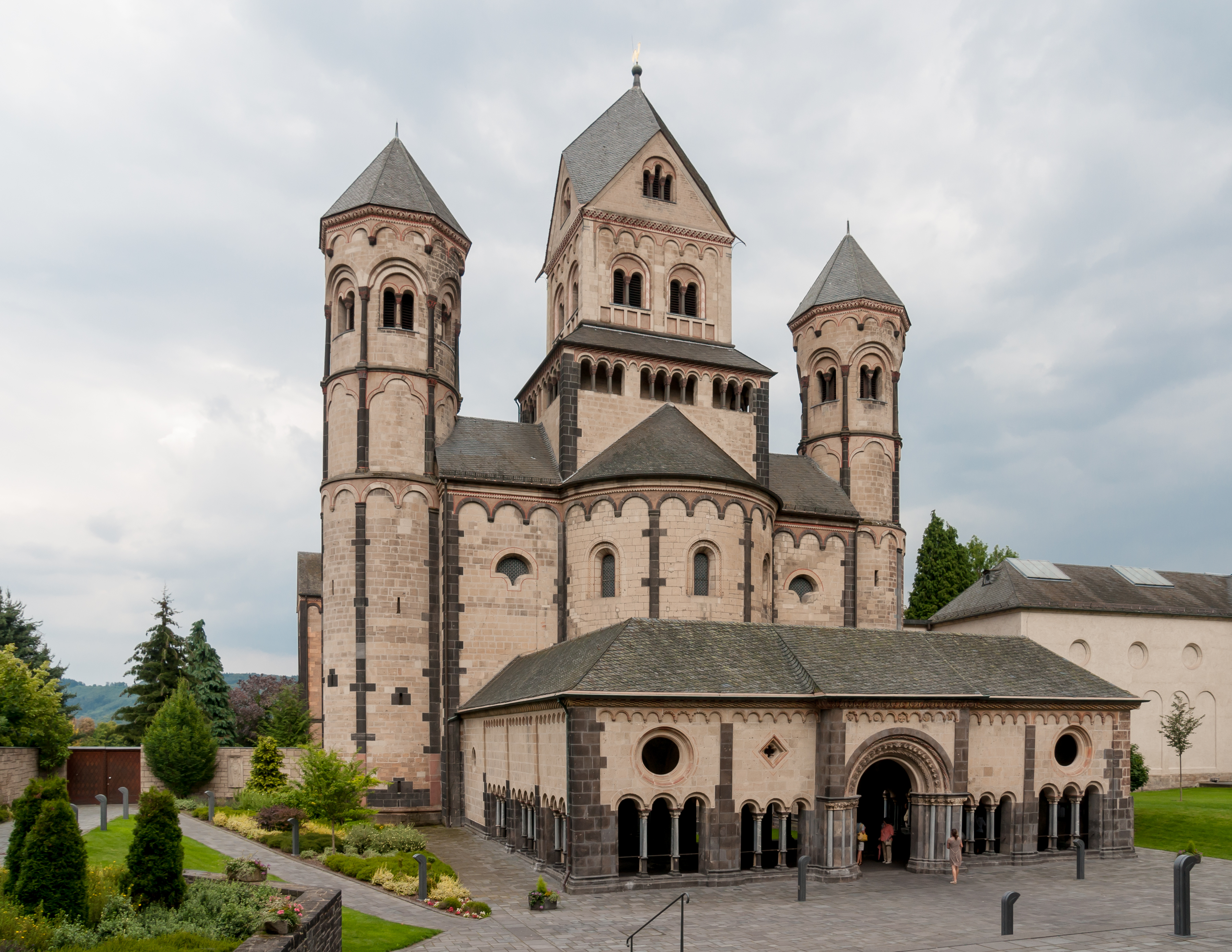
Maria Laach Abbey, Rhineland-Palatinate, Germany
Public domain
Romano Guardini publishes “The Spirit of the Liturgy,” a major influence on the German movement.
Key Figure: Romano Guardini (1885–1968)
Orthodox RenewalJoseph Ratzinger would later write his own book with the same title as homage.
Sources: To be added
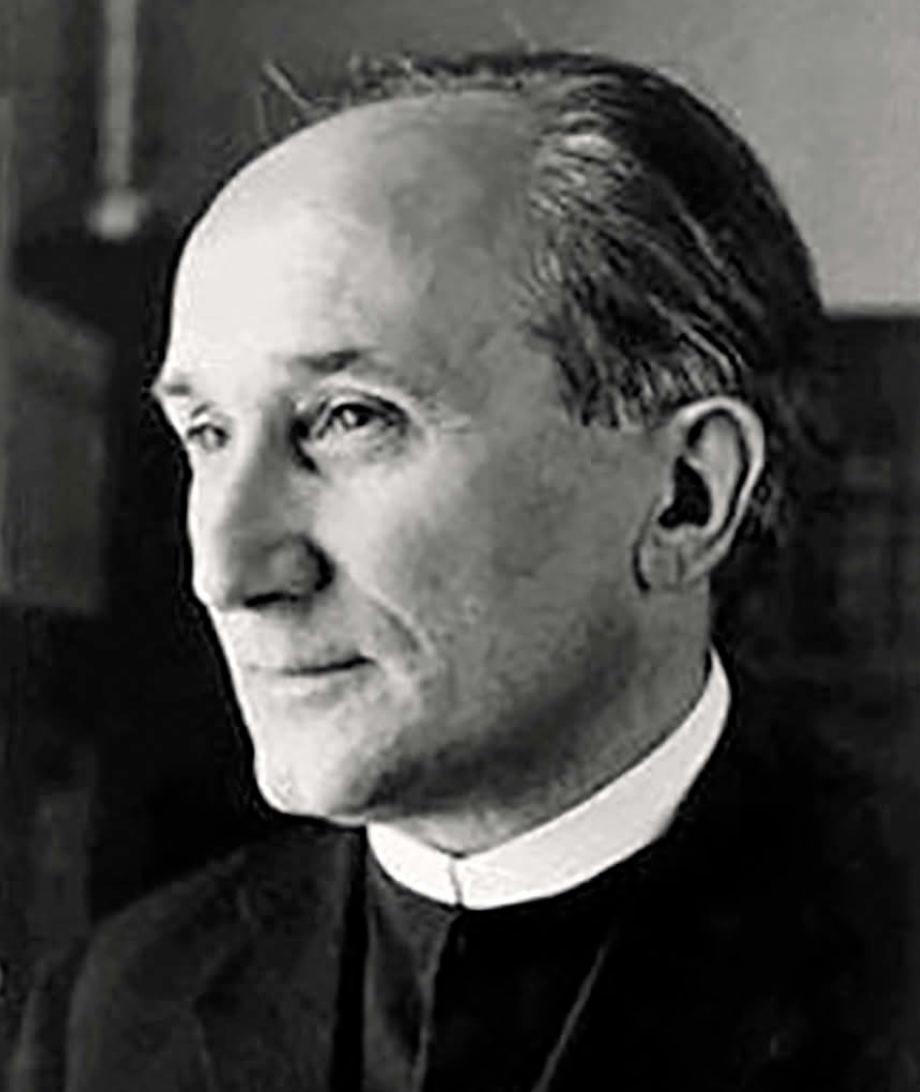
Romano Guardini, author of Vom Geist der Liturgie (1918)
Public domain
The Orthodox Vision
Guardini represents the Liturgical Movement at its best — a recovery of the objective, theocentric character of worship. His Spirit of the Liturgy formed a generation of priests and laypeople who understood the Mass as the action of the whole Christ, Head and members, directed toward God.
Guardini himself grew deeply concerned as the movement was hijacked. His 1964 letter questioning whether modern man was still capable of liturgical action was a prescient warning that went unheeded by the Consilium.
Dom Virgil Michel founds the journal Orate Fratres at St. John's Abbey, Collegeville—linking liturgy to social justice.
Key Figure: Dom Virgil Michel, OSB (1890–1938)
Orthodox RenewalVirgil Michel was unique in connecting liturgical renewal to Catholic social teaching.
Sources: To be added
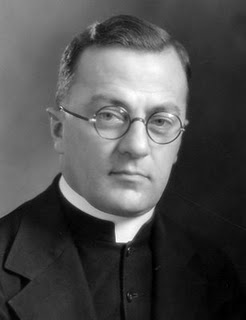
Dom Virgil Michel OSB, founder of Orate Fratres at Collegeville
Public domain
Pope Pius XII issues the first papal encyclical on liturgy, praising the movement but condemning “archaeologism.”
Key Figure: Pope Pius XII (Eugenio Pacelli)
Papal / MagisterialMediator Dei gave papal endorsement while warning against excesses.
Sources: To be added
A Warning Unheeded
Mediator Dei is the clearest pre-conciliar proof that the problems of the post-Vatican II reform were not invented in 1963 — they were already visible to Pius XII in 1947. The Pope’s warnings about antiquarianism, democratic tendencies, and the reduction of the Mass to a communal meal were prescient diagnoses of the errors that would be institutionalized two decades later.
In the crypt of Maria Laach, the first “Dialogue Mass” is celebrated: presider faces the people, assembly prays together.
Key Figure: Maria Laach Abbey, Germany
InnovationThis combined multiple innovations that would later become standard in the Novus Ordo.
Sources: To be added
Caption here
Credit · License
Canon Pius Parsch introduces the Betsingmesse and sets up a versus populum altar in 1935.
Key Figure: Pius Parsch (1884–1954)
Innovationist VanguardParsch set up a freestanding altar facing the people—decades before Vatican II.
Sources: To be added
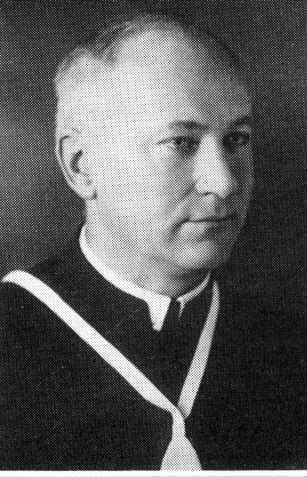
Pius Parsch
Public Domain
The CPL becomes a crucial node where the conciliar liturgical reform was prepared.
Key Figure: Frs. Duployé, Roguet, Martimort, Bouyer
Progressive NetworkThe CPL became 'one of the places where the conciliar liturgical reform was prepared.'
Sources: To be added
Caption here
Credit · License
Fr. Annibale Bugnini begins his 27-year career guiding the reform of the Roman Rite.
Key Figure: Fr. Annibale Bugnini, CM (1912–1982)
Key AppointmentBugnini had gained notice through his connections with the CPL network.
Sources: To be added
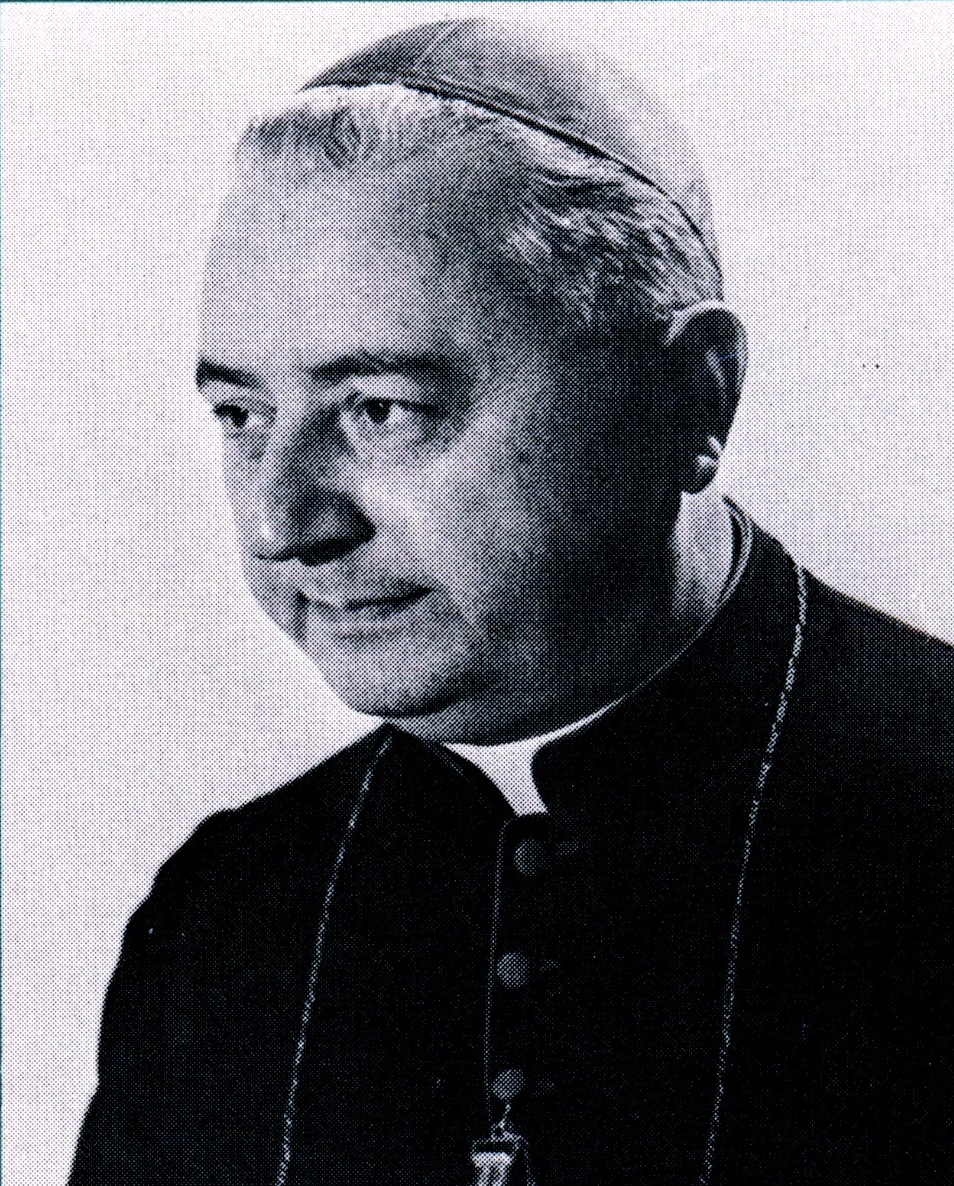
Annibale Bugnini
Public Domain
Cardinal Ottaviani celebrates Mass versus populum. Resolutions approve vernacular at High Mass.
Key Figure: Cardinals Ottaviani, Frings; Fr. Bugnini
Rupture / RadicalOttaviani—later face of opposition—celebrating versus populum is history's irony.
Sources: To be added
Bugnini's commission implements dramatic Holy Week revisions—the “battering ram” against tradition.
Key Figure: Fr. Annibale Bugnini (Secretary)
Mixed / AmbiguousFr. Carusi called the 1951-55 reforms a 'battering ram' against the Roman Rite.
Sources: To be added
Major international congress draws papal blessing. Reformers congratulate themselves.
Key Figure: German, French, Italian, Swiss centers
Rupture / RadicalOrganized by 'the four centers of liturgical effort' in Europe.
Sources: To be added
Cardinal Enrico Dante, Prefect of Pontifical Ceremonies, formally protests the Assisi Congress resolutions to the Vatican, warning that they exceed the scope of legitimate reform. His protest is ignored.
Key Figure: Cardinal Enrico Dante
Orthodox RenewalCardinal Dante was one of the Vatican’s senior liturgical officials and a committed defender of the traditional Roman Rite. His formal protest documented specific proposals from the Assisi Congress that contradicted standing papal directives and exceeded what legitimate liturgical reform could encompass.
The episode illustrates a pattern that would recur throughout the reform period: orthodox voices within the hierarchy registering formal objections that were systematically marginalized or ignored by the progressive faction controlling the relevant commissions.
Source: Caeremonialeromanum.com, “The Issue of Liturgical Reform: Enrico Dante”
Pope John XXIII announces an Ecumenical Council, giving the progressive liturgical faction an opportunity to embed their agenda in a conciliar document — transforming what had been a scholarly movement into a mandate for universal reform.
Key Figure: Pope John XXIII
Papal / MagisterialThe announcement of Vatican II was the pivotal moment when the Liturgical Movement’s academic and pastoral debates became politicized. Bugnini and the progressive faction immediately began maneuvering to ensure that the conciliar schema on the liturgy would reflect their agenda.
John XXIII himself was no radical — he issued the apostolic constitution Veterum Sapientia in 1962 reaffirming Latin as the language of the Roman Rite. But the institutional processes he set in motion were captured by forces with very different intentions.
Source: Ralph Wiltgen, The Rhine Flows into the Tiber (1967)
International congress proposes vernacular, suppression of Last Gospel, and simplified Roman Canon.
Key Figure: Blueprint for future reforms
Progressive CongressProposals went beyond what Mediator Dei would countenance.
Sources: To be added
Caption here
Credit · License
The Easter Vigil is restored to nighttime—the first major structural reform by committee.
Key Figure: Commission for Liturgical Reform
Pian ReformThe manner of reform set a precedent for committee-driven change.
Sources: To be added
Caption here
Credit · License
French congress continues radical agenda: elimination of genuflections, simplified Communion formula.
Key Figure: Mont Sainte-Odile, France
Progressive CongressEach congress built on the previous, creating inevitable momentum.
Sources: To be added
Caption here
Credit · License
At Beauduin's abbey, the international network of progressive liturgists solidifies.
Key Figure: Mont-César Abbey, Louvain, Belgium
Progressive CongressThe liturgical centers formed a coherent international network.
Sources: To be added
Caption here
Credit · License
Bugnini drafts Sacrosanctum Concilium with intentional “embryonic” ambiguities.
Key Figure: Cardinal Gaetano Cicognani
Key AppointmentBugnini used the term 'embryonic' to describe embedded permissions.
Sources: To be added
Caption here
Credit · License
John XXIII dismisses Bugnini from teaching post. A temporary check on progressive influence.
Key Figure: Temporary check on Bugnini's influence
ResistancePaul VI would reverse this within months of becoming Pope.
Sources: To be added
Caption here
Credit · License
Constitution passes 2,147 to 4, affirming Latin while embedding permissions for change.
Key Figure: §14, §36, §50
Papal / MagisterialActive participation becomes the paramount aim.
Sources: To be added
What SC Actually Said
The Council never mandated the elimination of Latin, the removal of altar rails, the turning of altars toward the people, communion in the hand, the replacement of the Roman Canon, or most of the other changes that were implemented in the following decade. These were the decisions of unelected bureaucrats on the Consilium.
Fr. Joseph Gelineau, a Consilium member, later admitted: “We must be clearly aware that the Roman Rite as we knew it no longer exists. It has been destroyed.” This was not what the Council Fathers voted for.
Paul VI restores Bugnini as Secretary, giving him a “free hand” to implement reform.
Key Figure: Paul VI, Cardinal Lercaro, Bugnini
Rupture / RadicalThe reformers are back in control.
Sources: To be added
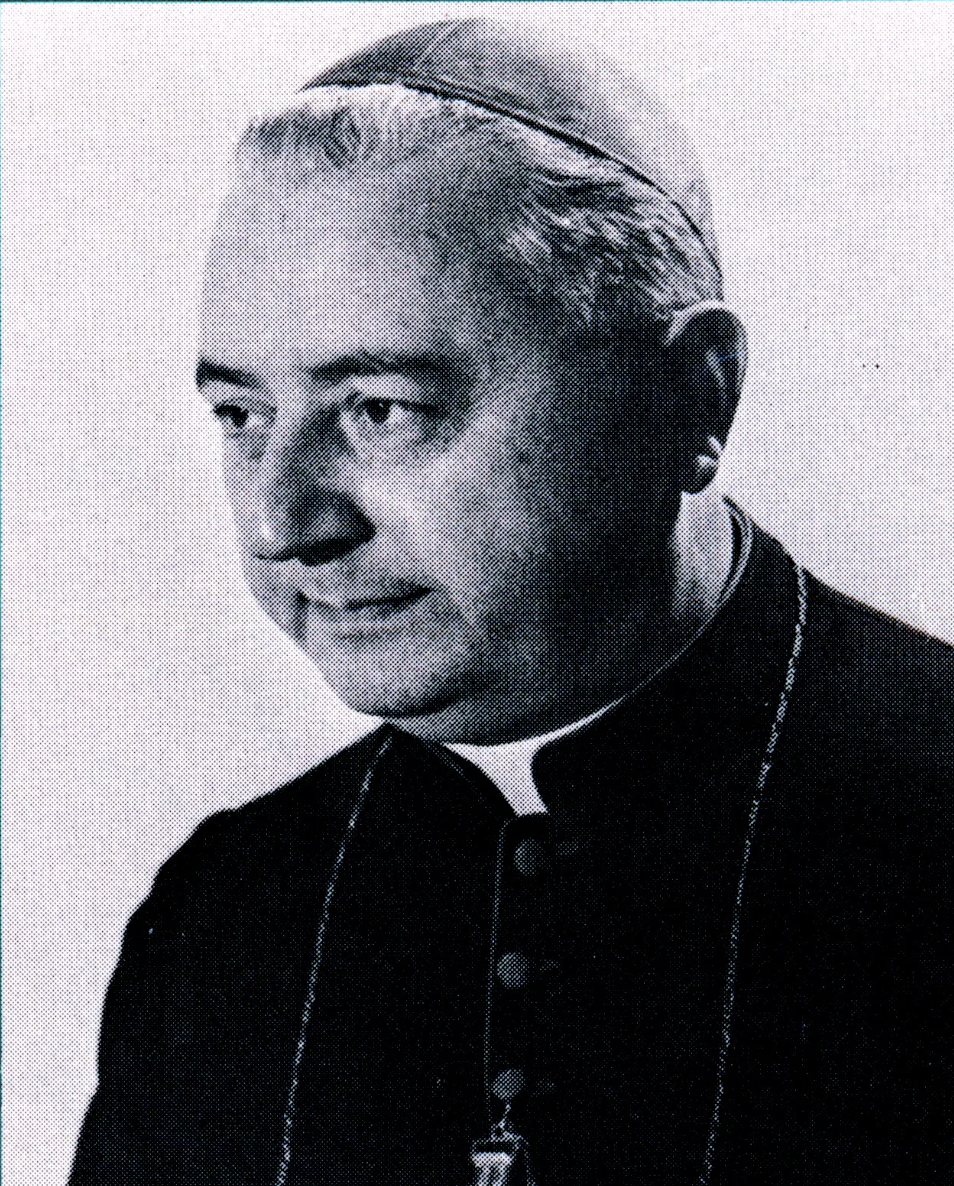
Archbishop Annibale Bugnini, Secretary of the Consilium
Public domain
Six Protestant liturgical scholars are invited as observers to the Consilium’s deliberations on the new Mass. Their presence influences the removal of elements they found objectionable, particularly those expressing Catholic sacrificial theology.
Key Figure: Max Thurian (Taizé); Various Protestant observers
Rupture / RadicalThe invitation of Protestant observers was itself a rupture with the Roman tradition of liturgical reform, which had always been conducted exclusively by Catholic authorities. Their influence is documented by Max Thurian himself, who later noted that Protestants could celebrate the new Mass without difficulty.
Cardinals Ottaviani and Bacci cited this fact in their famous 1969 intervention, noting that the new Mass “represents, both as a whole and in its details, a striking departure from the Catholic theology of the Mass as it was formulated in Session XXII of the Council of Trent.”
Source: Ottaviani Intervention (1969); Dietrich von Hildebrand, The Devastated Vineyard (1973)
Cardinals seize the microphone, demand Curial lists be discarded. Progressives seize control.
Key Figure: Cardinals Liénart, Frings, Alfrink
Progressive CoupThe progressives seized control of the Council's direction.
Sources: To be added
Caption here
Credit · License
The elderly, blind cardinal's microphone is switched off—a humiliating symbolic defeat.
Key Figure: Cardinal Ottaviani (silenced)
Traditionalist StandCardinal Alfrink signaled to cut the microphone.
Sources: To be added
Caption here
Credit · License
Council Fathers reject Curial texts. Only Bugnini's liturgy schema survives intact.
Key Figure: Rahner, Ratzinger, Schillebeeckx
Progressive VictoryProgressives circulated alternate schemata.
Sources: To be added
Caption here
Credit · License
Progressive theologians found Concilium to perpetuate the “spirit of Vatican II.”
Key Figure: Rahner, Schillebeeckx, Küng, Congar
Progressive PublicationDe Lubac joins initially but grows concerned.
Sources: To be added
Caption here
Credit · License
Cardinals warn the Novus Ordo “represents a striking departure from Catholic theology of the Mass.”
Key Figure: Cardinals Ottaviani, Bacci
Orthodox RenewalCommittee chaired by Abp. Lefebvre.
Sources: To be added
A Theological Indictment
The Ottaviani Intervention is the most authoritative orthodox critique of the new Mass, coming from two Cardinals — one of whom was the head of the Holy Office. Its arguments have never been formally answered by Rome.
The philosopher Dietrich von Hildebrand, one of the 20th century’s greatest Catholic thinkers, publishes his devastating critique of post-conciliar Catholicism, centering on the destruction of sacred liturgy.
Key Figure: Dietrich von Hildebrand
Orthodox RenewalVon Hildebrand’s book was a landmark work of Catholic intellectual resistance. Writing from his experience as someone who had witnessed the Church’s profound liturgical culture, he documented the destruction of sacred beauty, the flattening of transcendence, and the triumph of a banal, horizontal conception of worship.
Pope Pius XII had called von Hildebrand “the 20th century Doctor of the Church.” His cry of anguish over the liturgical reform carried the weight of a deeply formed Catholic sensibility, not merely academic criticism.
Source: Dietrich von Hildebrand, The Devastated Vineyard (1973)
De Lubac calls Concilium “a propaganda tool”—the first crack in the progressive coalition.
Key Figure: Fr. Henri de Lubac, SJ
Faction SplitThis would lead to the founding of Communio in 1972.
Sources: To be added
Caption here
Credit · License
Only 71 bishops approve; 43 reject outright. Cardinal Heenan warns it would empty parishes.
Key Figure: 71 placet / 43 non placet
Episcopal ResistanceThe Missa Normativa experiment was 'not a success.'
Sources: To be added
Caption here
Credit · License
Bouyer and Botte rewrite EP II overnight at a restaurant after Bugnini's draft deemed “atrocious.”
Key Figure: Louis Bouyer, Dom Bernard Botte
FabricationThe most widely used prayer was cobbled together over dinner.
Sources: To be added
Caption here
Credit · License
Paul VI promulgates the new Mass—a five-year transformation of 1,500 years of organic development.
Key Figure: Apostolic Constitution Missale Romanum
PromulgationMandatory from the First Sunday of Advent 1969.
Sources: To be added
Caption here
Credit · License
Intellectuals petition Paul VI. “Ah, Agatha Christie!” England and Wales receive an indult.
Key Figure: 57 artists, writers, intellectuals
Orthodox RenewalMany signatories were non-Catholic.
Sources: To be added
Lefebvre establishes the SSPX in Écône to preserve the traditional priesthood and Mass.
Key Figure: Archbishop Marcel Lefebvre
Orthodox RenewalApproved initially by the local bishop.
Sources: To be added
Bugnini abruptly removed, sent to Iran. Bouyer learns Paul VI was deceived by Bugnini.
Key Figure: End of Bugnini's direct influence
Rupture / RadicalRumors of Freemasonry circulate.
Sources: To be added
Archbishop Annibale Bugnini, Apostolic Pro-Nuncio to Iran, 1975
Public domain
John Paul II guarantees “respect for rightful aspirations” of traditional Catholics, calls for “wide and generous application” of the 1962 Missal.
Key Figure: Pope St. John Paul II
Papal / MagisterialTwo days after Lefebvre's consecrations, John Paul II issues the motu proprio Ecclesia Dei, establishing the Pontifical Commission Ecclesia Dei. Far from merely a punitive response, it acknowledges that Catholics attached to the traditional liturgy have legitimate claims.
The document calls for “a wide and generous application” of permissions for the 1962 Missal—a phrase traditionalists would quote for decades. This leads directly to the founding of the FSSP by former SSPX priests who wished to remain in full communion.
Sources: Ecclesia Dei (1988), Dominicae Cenae (1980)
The language of Ecclesia Dei was significant: John Paul II spoke of the “rightful aspirations” of traditional Catholics—implying a right, not merely a tolerated preference.
In his 1980 letter Dominicae Cenae, JPII had already expressed similar sentiments: “It is therefore necessary to show not only understanding but also full respect towards these sentiments and desires” of those attached to the Latin liturgical tradition.
Pope St. John Paul II
Public domain
Balthasar, de Lubac, Ratzinger found Communio—birth of the “hermeneutic of continuity.”
Key Figure: Balthasar, de Lubac, Ratzinger, Bouyer
Reform of the ReformVatican II must be read in continuity with Tradition.
Sources: To be added
Caption here
Credit · License
Lefebvre suspended a divinis for ordaining priests without permission.
Key Figure: Archbishop Marcel Lefebvre
Canonical CrisisThe SSPX continues operating.
Sources: To be added
Caption here
Credit · License
JPII grants limited indult—first acknowledgment the old Mass could not be suppressed.
Key Figure: Pope St. John Paul II
Partial ConcessionBishops may permit the 1962 Missal.
Sources: To be added
Caption here
Credit · License
Lefebvre consecrates four bishops. JPII responds with Ecclesia Dei commission.
Key Figure: Fellay, Tissier, Williamson, de Galarreta
Schism & ResponseExcommunications declared, then broader TLM access granted.
Sources: To be added
Caption here
Credit · License
Cardinal Ratzinger publishes his landmark book on liturgical theology, articulating the “hermeneutic of continuity” and calling for a “reform of the reform.” The book consciously echoes Guardini’s 1918 title.
Key Figure: Cardinal Joseph Ratzinger (later Benedict XVI)
Orthodox RenewalRatzinger’s book was a theological bombshell. Coming from the Prefect of the Congregation for the Doctrine of the Faith — the second most powerful figure in the Vatican — it validated the concerns of those who had criticized the post-conciliar reform on theological grounds.
Ratzinger argued for ad orientem celebration, communion kneeling and on the tongue, and the recovery of the traditional Roman Rite alongside the new. He explicitly repudiated the fabricated nature of the reform, contrasting “two different conceptions of liturgy” that were fundamentally incompatible.
Source: Joseph Cardinal Ratzinger, The Spirit of the Liturgy (2000)
Theological Vindication
Ratzinger’s book gave intellectual respectability to the traditional position at the highest levels of the Church. His concept of the “hermeneutic of continuity” — reading the Council’s reforms in light of the tradition rather than as a break from it — became the dominant framework for orthodox liturgical theology in the following decade.
Benedict liberates the TLM: “never abrogated.” Every priest may celebrate it freely.
Key Figure: “Hermeneutic of Continuity”
Papal / MagisterialWhat earlier generations held sacred remains sacred for us.
Sources: To be added
The Liberation
Summorum Pontificum was the fruit of decades of patient advocacy, scholarly work, and suffering by traditional Catholics. It vindicated every priest and layperson who had insisted that the traditional Mass was not a relic but a living form of Catholic worship with an irreplaceable role in the Church’s life.
Ratzinger publishes devastating critiques: “devastation,” “fabricated liturgy,” “banal product.”
Key Figure: Milestones, Ratzinger Report, Spirit of Liturgy
Insider CritiqueThe crisis is 'to a large extent due to the disintegration of the liturgy.'
Sources: To be added
Caption here
Credit · License
Liberal cardinals meet secretly to oppose JPII and Ratzinger. Danneels calls them a “mafia club.”
Key Figure: Danneels, Martini, Kasper, Lehmann
Progressive NetworkThey support Bergoglio in 2005.
Sources: To be added
Caption here
Credit · License
Benedict lifts excommunications as reconciliation gesture. Talks stall over Vatican II.
Key Figure: Pope Benedict XVI
Reconciliation GestureFull regularization talks begin.
Sources: To be added
Caption here
Credit · License
Bergoglio elected. St. Gallen group acknowledges their role. Direction shifts from Ratzinger project.
Key Figure: Pope Francis (Jorge Mario Bergoglio)
Change of DirectionThe Church shifts away from the Ratzingerian project.
Sources: To be added
Caption here
Credit · License
Francis abrogates Summorum Pontificum. Paul VI liturgy declared “unique expression.”
Key Figure: “Unique expression of the lex orandi”
Rupture / RadicalFrancis states his intent is to eventually eliminate the TLM entirely. Bishops must now request permission from Rome for any celebrations in parish churches.
Sources: Traditionis Custodes (2021)
A Pastoral Absurdity
The motu proprio drew immediate, forceful criticism from senior cardinals, bishops, and priests worldwide.
Many bishops, including Cardinal Burke and Cardinal Müller, publicly criticized the document. Implementation has been uneven, and the traditional Mass continues to flourish in many dioceses despite the restrictions.
SSPX: 733 priests. FSSP: 387 priests, 162 seminarians. Chartres: 19,000 pilgrims, average age 20. 80% of young TLM attendees have considered religious vocations.
Key Figure: Traditional Communities Combined: 1,300+ priests
Orthodox RenewalSSPX (Nov 2025): 733 priests, 245 sisters, houses in 62 countries, 760 Mass centers. Growth: 202 priests (1988) → 733 (2025) = 263% increase.
FSSP (Nov 2025): 387 priests, 162 seminarians, average age 39. Record 25 new deacons ordained in 2025.
ICKSP: 147+ priests. Institute of Good Shepherd: 62 priests.
Sources: FSSPX.news, FSSP official, Crisis Magazine, Pew Research
Chartres Pilgrimage: 10,000 (2007) → 19,000 + 2,000 waitlisted (2025). Average age: 20 years old.
Covadonga (Spain): Handful (2021) → 1,700+ (2025). Walsingham (England): 120 (2021) → 220 (2025), average age 25.
FSSP Study on Youth: 80% of young TLM attendees have considered priestly/religious vocations. 98% attend Mass weekly vs. 25% of general Catholic youth. Only 10% raised in TLM households—84% came on their own.
But the roots of the Traditional Latin Mass run 1,500 years deep. No bureaucratic decree can reach them.
Diocese reduces TLM from 21 parishes to 8, bans publishing Mass times. Vatican mandates one TLM be replaced monthly.
Key Figure: Bishop Michael Burbidge
Diocesan RestrictionThe Diocese of Arlington, once home to the second-most diocesan Traditional Latin Masses in the world (21 parishes), implements crushing restrictions. Only 3 remain in parish church buildings. Parishes cannot publish TLM times in bulletins, websites, or social media.
In 2024, Vatican “renews” permission but with a poison pill: each parish must replace one TLM per month with a Latin Novus Ordo—eliminating 72 Traditional Latin Masses over two years.
Sources: CNA, Diocese of Arlington, Catholic Family News
Caption here
Credit · License
Cardinal Roche scrutinizes world's largest TLM pilgrimage. Despite threats, 19,000 register with 2,000 waitlisted. Average age: 20.
Key Figure: Notre-Dame de Chrétienté
Vatican PressureThe annual Paris-to-Chartres Pentecost pilgrimage comes under Vatican scrutiny. French daily La Croix reports Cardinal Roche believes organizers “not respecting norms” and may ban certain celebrations.
Yet growth accelerates: 12,000 (2021) → 16,000 (2023) → 18,000 (2024) → 19,000 + 2,000 waitlisted (2025). Bishop Christory of Chartres confirms he will preside over the closing Mass for the cathedral's millennium jubilee.
Sources: CNA, La Croix, Catholic Herald
Caption here
Credit · License
Archbishop Weisenburger ends TLM at all parish churches, citing Vatican orders. St. Joseph Shrine (ICKSP) continues.
Key Figure: Archbishop Edward Weisenburger
Diocesan RestrictionArchbishop Weisenburger ends TLM at all parish churches by July 1, 2025, citing the Vatican's 2023 clarification that local bishops lack authority to permit parish TLMs without Holy See approval.
“The Holy See has reserved for itself the ability to allow the Traditional Latin Mass to be celebrated in parish churches. Local bishops no longer possess the ability to permit this particular liturgy in a parish church.”
Sources: Archdiocese of Detroit, CNA
Caption here
Credit · License
Bishop Martin bans altar rails, kneelers, Latin—even in the Novus Ordo. 31 priests (40% of clergy) submit dubia to Rome.
Key Figure: Bishop Michael Martin
Episcopal OverreachA leaked letter reveals Bishop Martin's sweeping restrictions: bans on Latin (except for scholars), altar rails, ad orientem, women veiling while serving, “excessive lace” on vestments, and crucifixes on altars. TLM faithful exiled to a 350-seat chapel for 1,100 attendees.
In January 2026, 31 priests (nearly 40% of active diocesan clergy, 2/3 pastors) submit formal dubia to Rome challenging the bishop's canonical authority. Sources say actual support nears 50%.
Sources: NCR, CNA, The Pillar, Catholic Herald, CatholicVote
The outcome could set precedents for episcopal authority vs. universal liturgical law nationwide.
Caption here
Credit · License