The Liturgical MovementFrom Restoration to Rupture to Renewal
Rome named the errors in 1947, correctly and in detail, and then declined to enforce a word of it for fifty years. Two centuries of the Roman Mass, and a contest still running.
If you worship at a typical Catholic parish today, you are praying a Mass that is — in the long sweep of the Church’s history — brand new.
It is a true and valid Mass; that is never in question here. Yet the rite most Catholics know has existed only since 1970, and it marks a startling break from how the Church prayed for the better part of two thousand years. In just a few years around 1969, a liturgy that had grown organically across fifteen centuries was set aside, and a newly built one took its place — the most sweeping change to Catholic worship since antiquity. How that happened — neither in anger nor in despair, but honestly and in full communion — is the story this timeline tells.
For the ancient roots of the rite, see The Sacred Tree →The progressives organised and won the opening battle. The generals (the popes, however holy) were inept: they responded too slowly, or not at all, perhaps naively believing all would be well until it wasn’t. And today the war rages on.— Domus Dei
One side was organised, and it was not the side that began. Dom Guéranger’s restoration at Solesmes in 1833 recovered the chant and pressed the Roman rite against the Gallican uses. That is this timeline’s first era, and it is not this argument. The movement that won the opening battle began at Malines in 1909, and it worked through the abbeys, journals and congresses the restoration had built. For half a century it kept the same men and the same aims, without pause. When the Council’s commissions were elected in October 1962, it was the side with names ready.
Rome saw it, and said so, precisely. Pius X named the disorder as early as 1903, legislating chant and polyphony back into the Mass against the theatrical style that had displaced them. Pius XII went further in 1947. Mediator Dei did not describe a mood; it named eight practices, one at a time. Three in §59: the vernacular in the Mass; the shifting of feast-days settled “after mature deliberation”; the cutting of Old Testament texts from approved prayerbooks as “little suited and inopportune for modern times.” Five in §62: the altar returned to a primitive table; black dropped from the vestments; images and statues cleared out of the churches; the crucifix redrawn without the marks of suffering; polyphony disdained. Each was identified before it was normal, and each was identified correctly. Then nothing followed. The encyclical was never enforced, and within six months Pius XII appointed Annibale Bugnini secretary of his own commission for the reform of the liturgy.
Rome would not enforce what it had said. All eight became normal within twenty-five years, five of them without any law ever requiring it, and on three the law of 1969 says the opposite of what happened. Mediator Dei was never abrogated. Sacrosanctum Concilium still preserves Latin, still gives chant pride of place, still orders the images kept. Every one of those sentences is in force today, and describes a Church almost nobody has seen.
The contest did not end. Traditionis Custodes in 2021. A diocese ordering altar rails removed in December 2025. Thirty-one priests appealing to Rome in February 2026, undecided.
- 1Restoration 1833–1909
- 2One side was organised 1909–1962
- 3Not enforced 1947–1972
- 4Contest 2021–2026
There is no coup here, and no hidden hand. There is an organised movement that never stopped, and generals who saw the field clearly, gave the order once, and never checked whether it was obeyed. Holiness is not the same as competence in governing, and the Church has never taught that it was. Three of the men judged here are canonised and one is Venerable. The judgment is on their governance, which the Church has never held to be guaranteed by their sanctity.
So say it plainly. The Church saw the danger and named it exactly, and then lacked the courage, or the resolve, or simply the will to enforce what she had said. That is a failure of her shepherds in the government of the Church, not a defect in the Faith they held and handed on, and there is no impiety in calling it what it was. This timeline is the tragic story of how we arrived where we are: at a rite that is valid, lawful, and truly the Church’s own, and at the same time impoverished, cut off in much of its practice from the tradition that carried the Faith to us. The Offertory prayers are gone. The Last Gospel is gone. Whole psalms were struck out of the Office. A great deal that the older books said aloud, the new ones leave unsaid.
Understanding the Liturgical Movement
Why Catholic worship looks so different today than it did within living memory — the whole story in about five minutes.
If you have ever knelt at a Latin Mass and then sat through an ordinary Sunday Mass — or wondered why your grandparents’ Church feels like a different world — this timeline is the answer. It follows a single thread across nearly two centuries: how the Roman Catholic liturgy was lovingly restored, then reformed, then ruptured, and is now fiercely contested.
It began with hope (1833–1947)
In 1833 a young French monk, Dom Prosper Guéranger, refounded the abbey of Solesmes and set out to recover the Church’s ancient worship in its full beauty. For a century this “Liturgical Movement” did real good — restoring Gregorian chant, teaching ordinary people to pray the Mass, drawing them into the sacred mysteries. Popes blessed it. That is the green ascent on the arc above.
Then it was captured (1948–1965)
A new generation of reformers — organized, scholarly, impatient — took the movement’s commissions and pressed for sweeping change. The Second Vatican Council (1962–65) called for a careful renewal; its actual decree preserved Latin and chant and forbade innovation “unless the good of the Church genuinely requires it.” But what the Council wrote and what was done in its name would prove to be two very different things.
The rupture (1965–1970)
In 1969, by a genuine act of papal authority, Pope Paul VI promulgated an entirely new Order of Mass — the Novus Ordo. It is a valid and licit Mass of the Catholic Church; that is never in question here. But the scale and speed were without precedent: a liturgy grown over fifteen centuries was rebuilt in under ten years. Two cardinals and a future pope warned that something had been lost. That is the red plunge on the arc.
The contest, to this day (1970–now)
What followed was decades of grief, resistance, and division — and then, unexpectedly, recovery. In 2007 Pope Benedict XVI declared the old Mass had never been abolished and gave it freely back. In 2021 Pope Francis reversed him and restricted it again. The story is not over — you are living in its latest chapter.
How to read this timeline
It is told from love of the traditional Roman liturgy — but in full communion with the Church. The validity of the reformed Mass is the floor of everything here; we never deny it, and we never set ourselves against a Pope or the Council. We are hard on the rupture and fair to the men who made it, in their own words, from verified sources. The eight eras run from restoration to the present crisis; the colored dot on each event marks its character:
Click any event to read its full story. Begin at 1833 — or jump straight to whatever drew you here.
How to Use This Timeline
A living, interactive history — here is everything it can do.
Two ways to read it
Find your way
Listen
Go deeper
And more
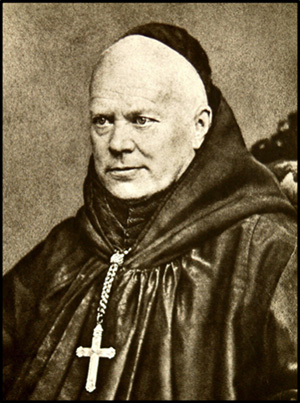 Orthodox Renewal
Solesmes Abbey Restored
Dom Prosper Guéranger purchases the derelict Priory of Solesmes with five priests, igniting the Restorationist phase of the Liturgical Movement.
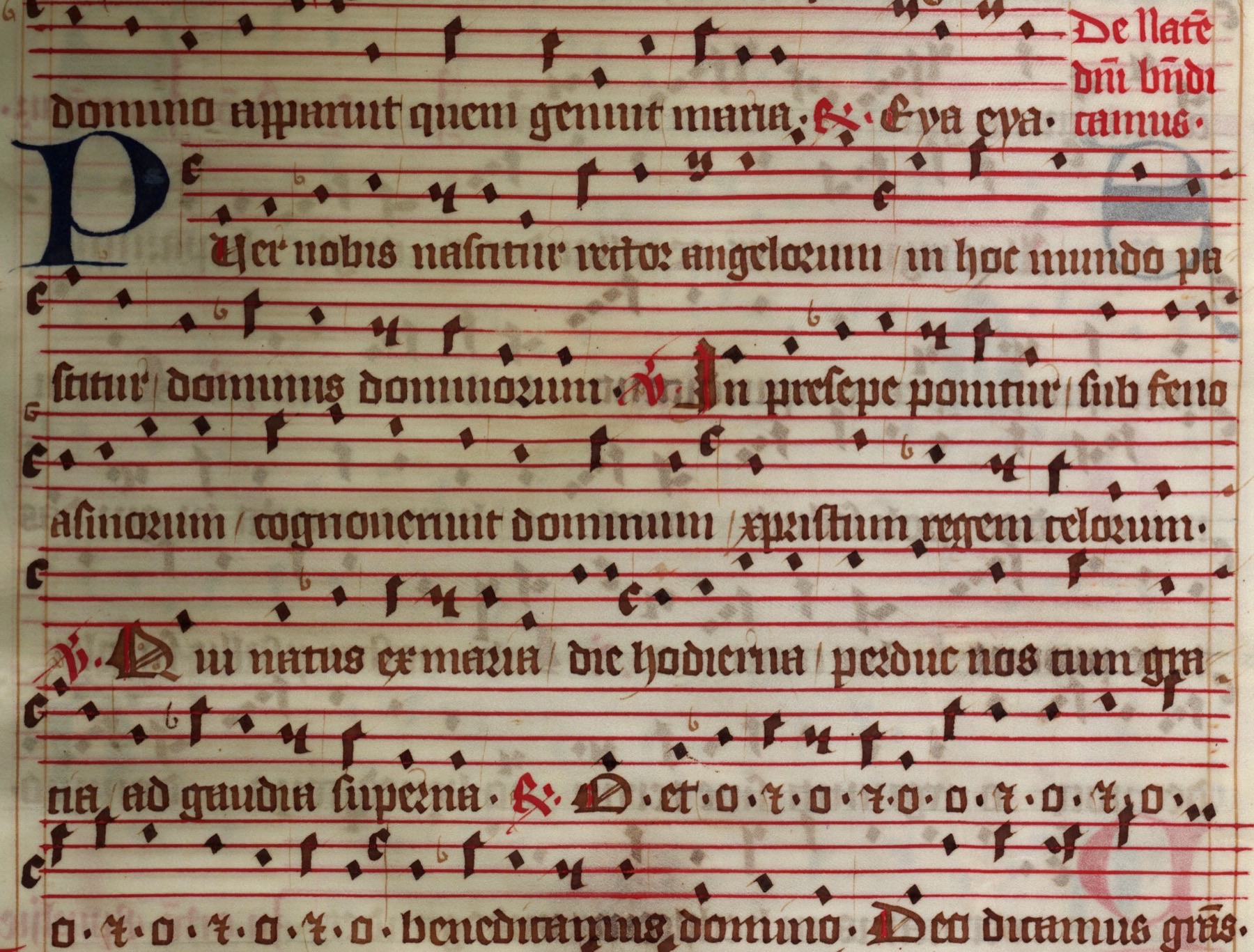 Scholarship
L'Année Liturgique & Gregorian Chant Restoration
Guéranger publishes his monumental multi-volume work on the liturgical year while Solesmes monks restore Gregorian chant from medieval manuscripts.
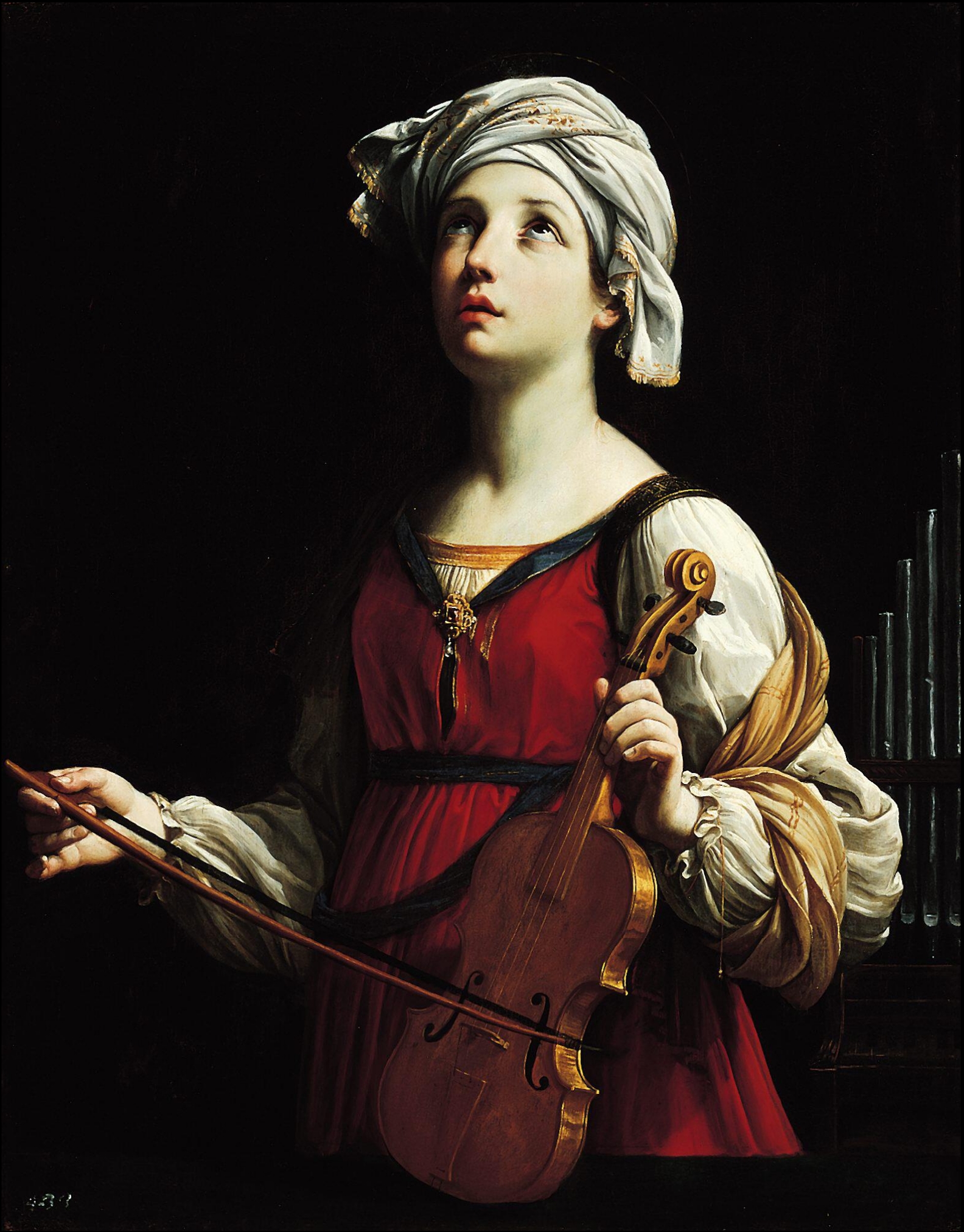 Orthodox Renewal
Caecilian Movement
Franz Xaver Witt founds the Allgemeine Cäcilienverein (General Caecilian Society) to reform sacred music in the German-speaking world, promoting polyphony and chant over theatrical operatic styles.
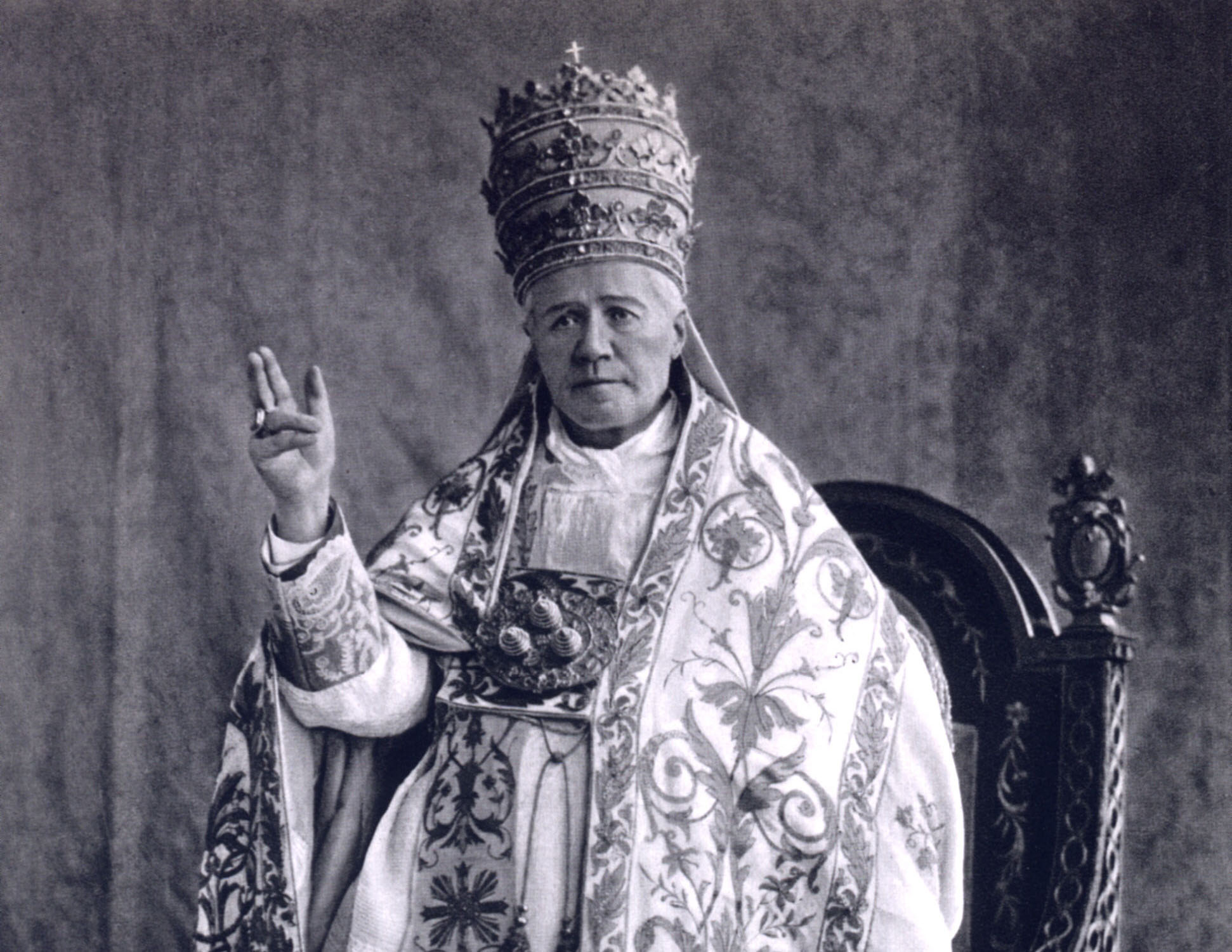 Papal / Magisterial
Tra le Sollecitudini — Pius X
Pope St. Pius X issues his motu proprio on sacred music, coining the term “participatio actuosa” (active participation).
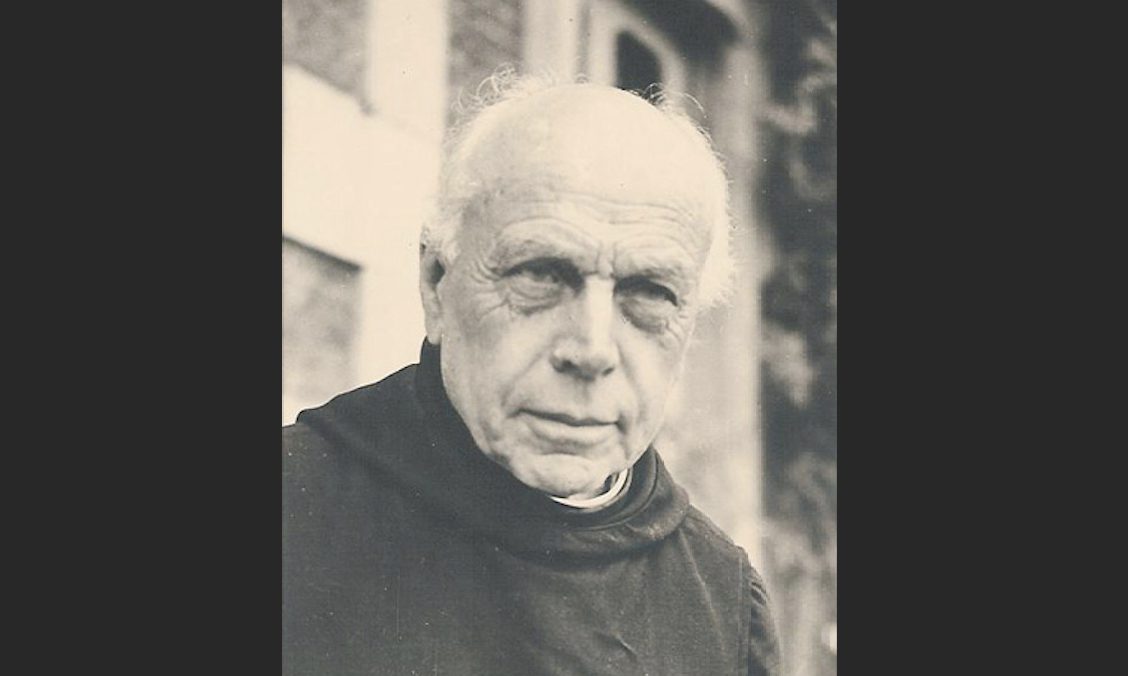 Orthodox Renewal
Malines Congress
Dom Lambert Beauduin delivers the keynote that gives the movement its programme: to “democratize” the liturgy and return it to the people.
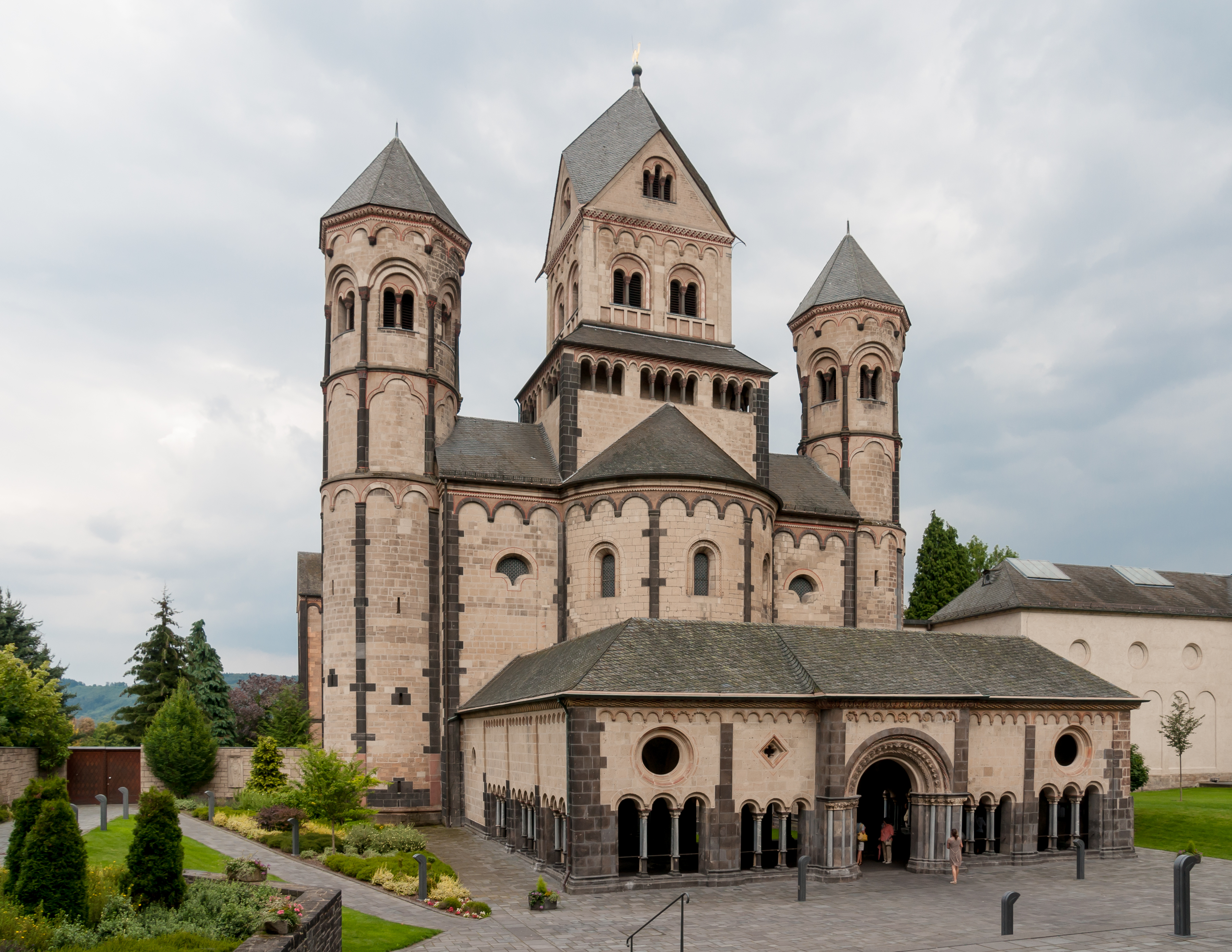 Orthodox Renewal
Maria Laach Abbey
Abbot Ildefons Herwegen convenes the first liturgical conference for lay people at Maria Laach Abbey.
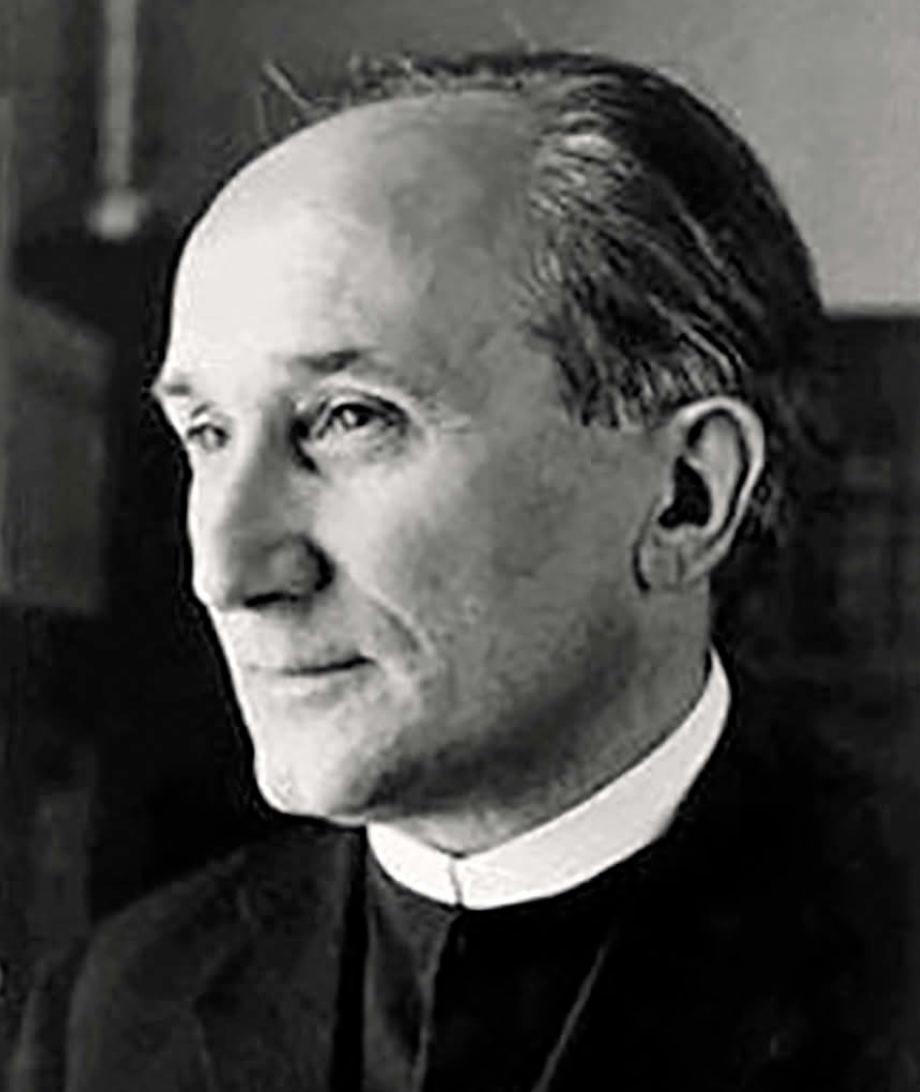 Orthodox Renewal
Romano Guardini — The Spirit of the Liturgy
Romano Guardini publishes “The Spirit of the Liturgy,” a major influence on the German movement.
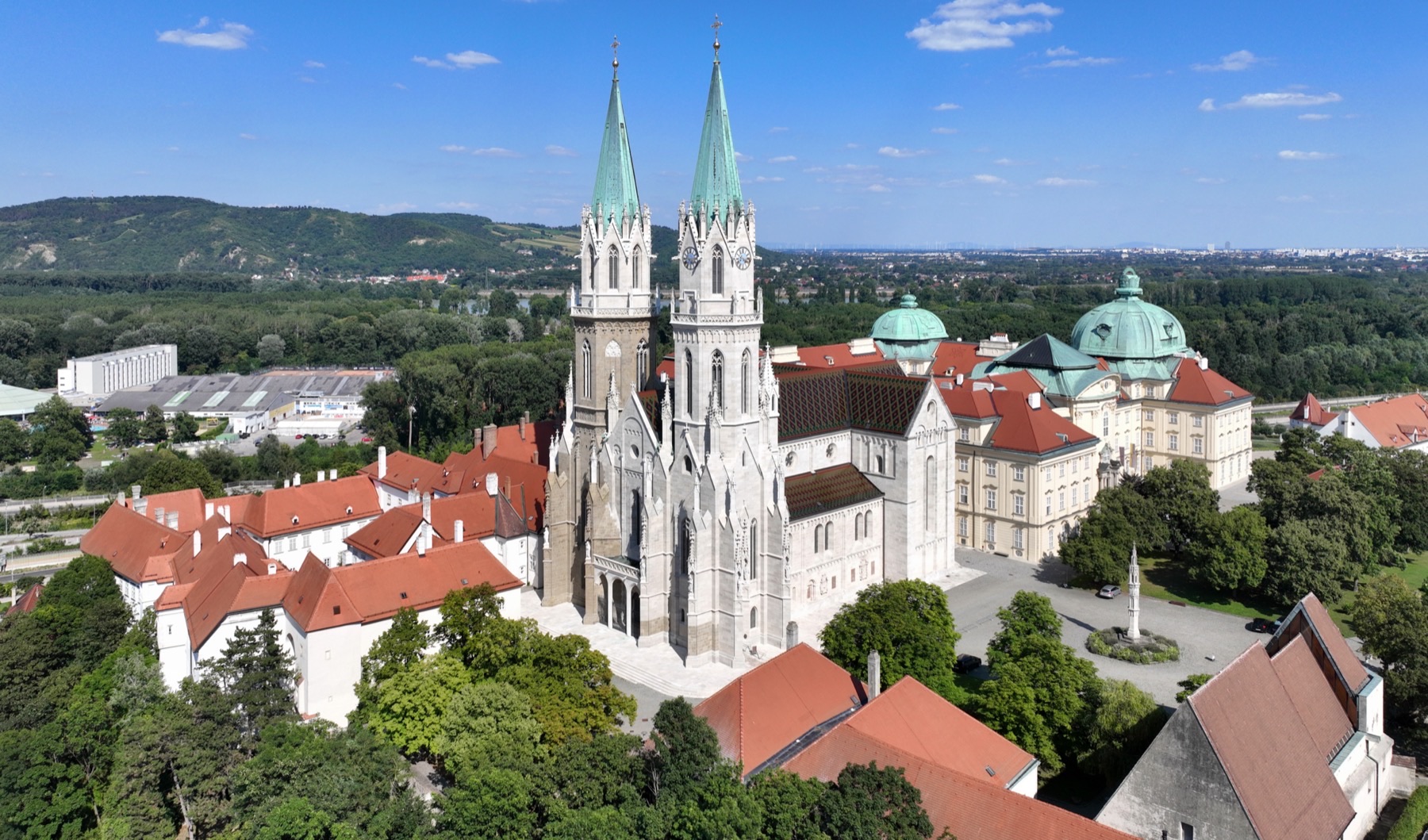 Innovation
Pius Parsch: The Klosterneuburg Experiments
Canon Pius Parsch introduces the Betsingmesse and sets up a versus populum altar in 1935.
 Innovation
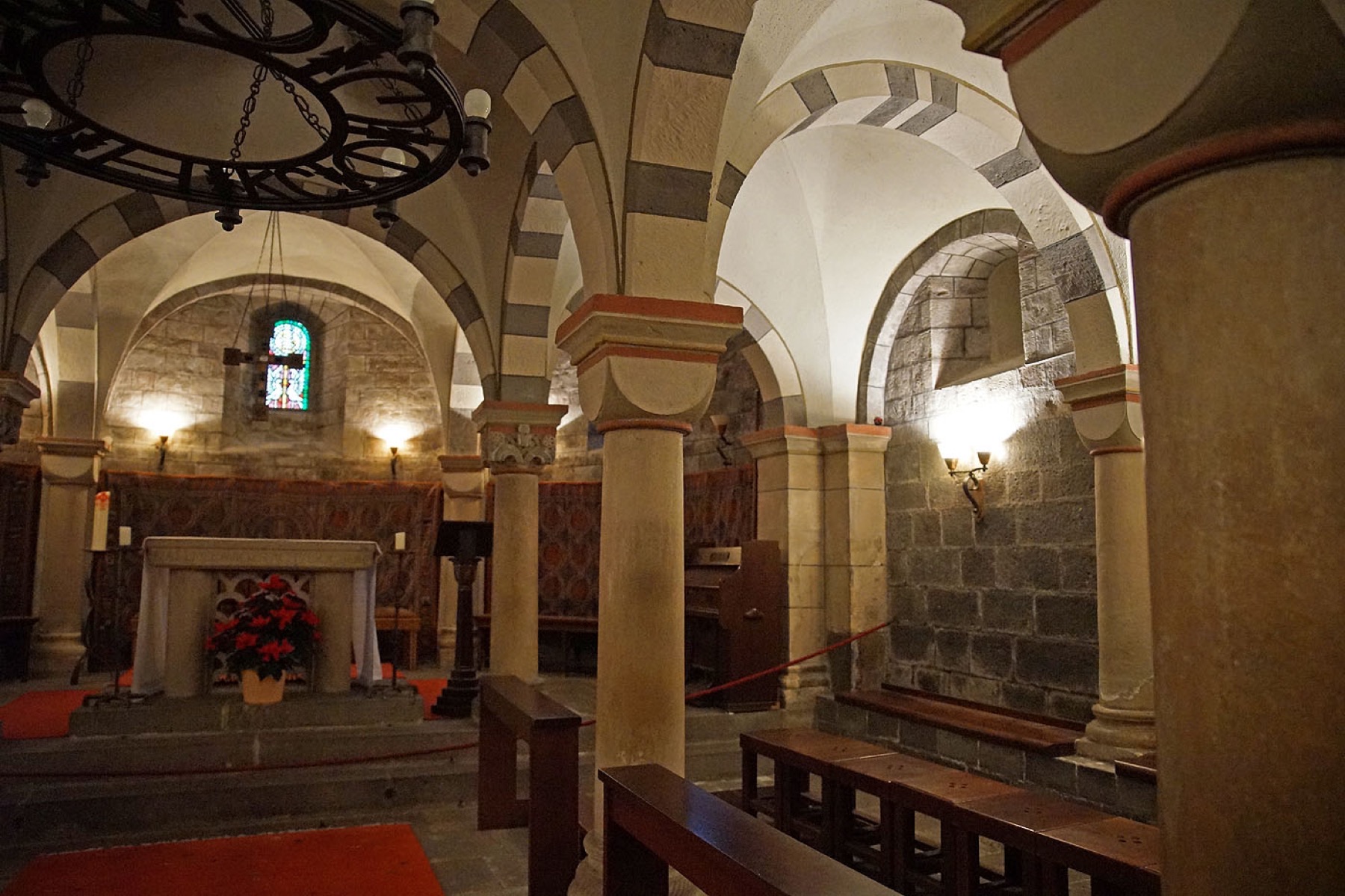
The First Dialogue Mass at Maria Laach
In the crypt of Maria Laach, the first “Dialogue Mass” is celebrated: presider faces the people, assembly prays together.
 Orthodox Renewal
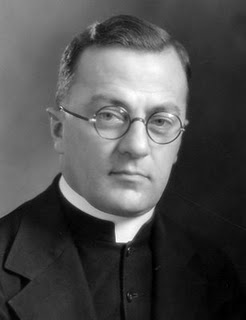
Virgil Michel & Orate Fratres
Dom Virgil Michel founds the journal Orate Fratres at St. John's Abbey, Collegeville—linking liturgy to social justice.
 Progressive Network
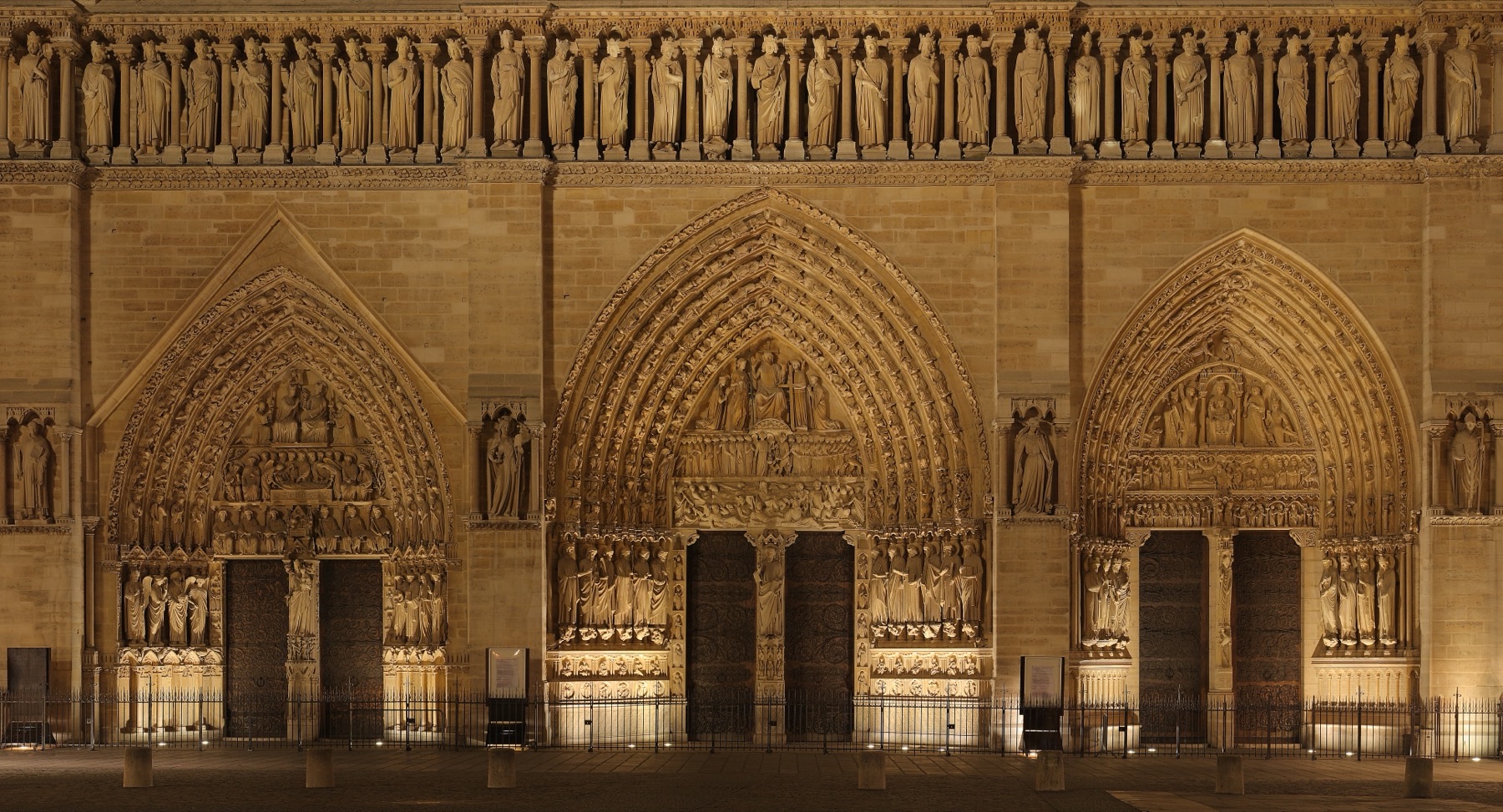
Centre de Pastorale Liturgique Founded in Paris
The CPL becomes a crucial node where the conciliar liturgical reform was prepared.
 Papal / Magisterial
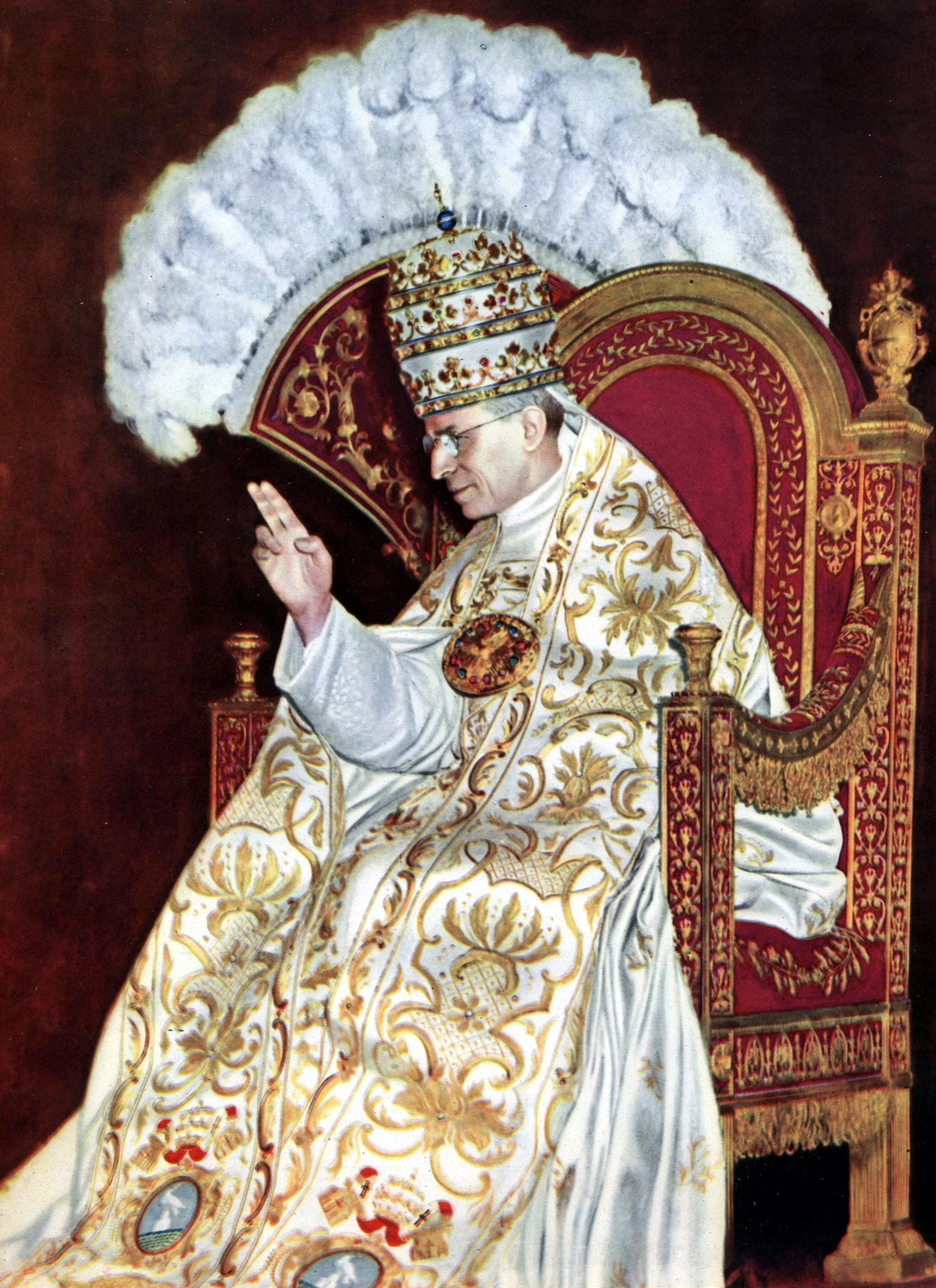
Mediator Dei — Pius XII
Pius XII calls the return to the sources “wise and most laudable,” then names eight specific practices as errors. All eight became normal.
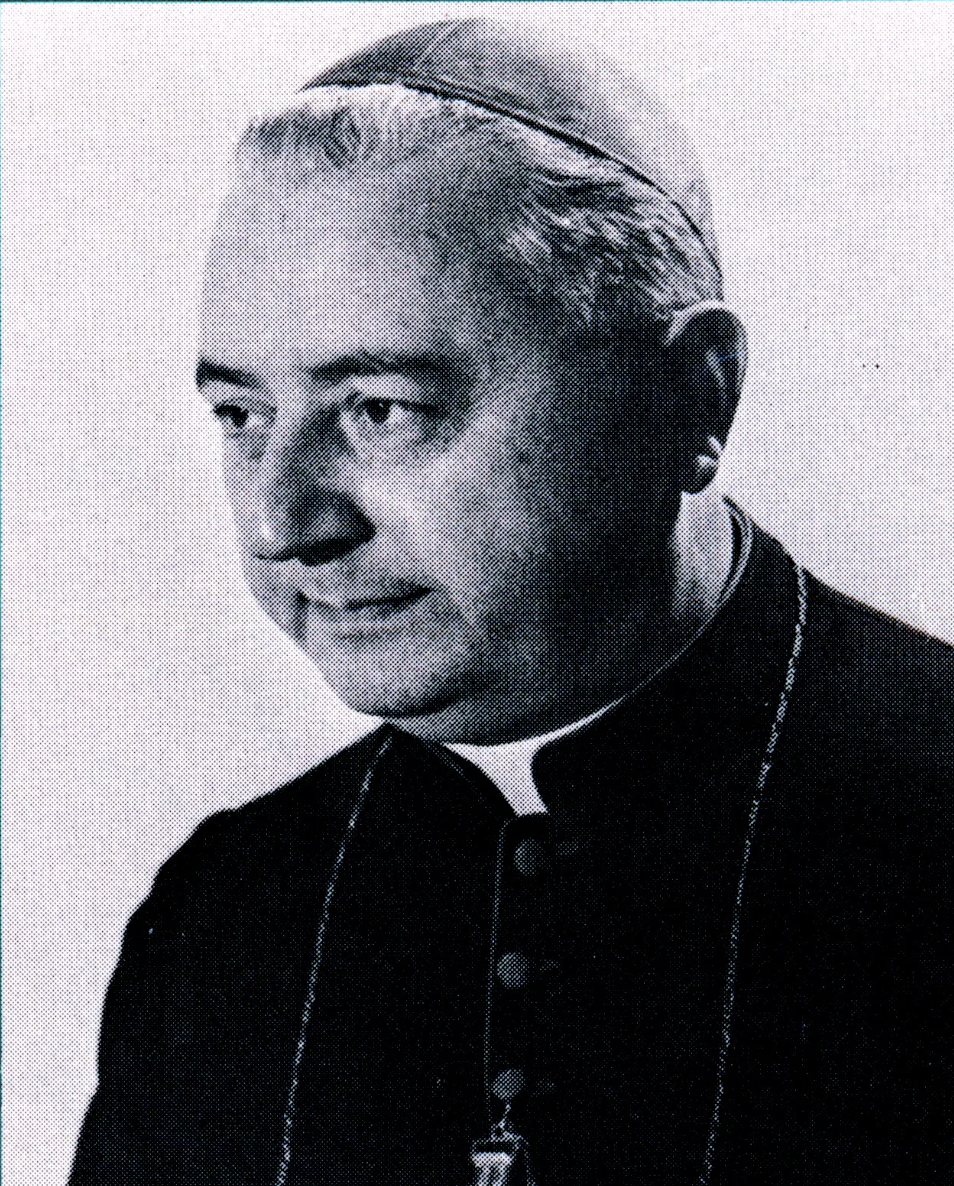 Key Appointment
Bugnini Appointed Secretary of Liturgical Commission
Fr. Annibale Bugnini begins his 27-year career guiding the reform of the Roman Rite.
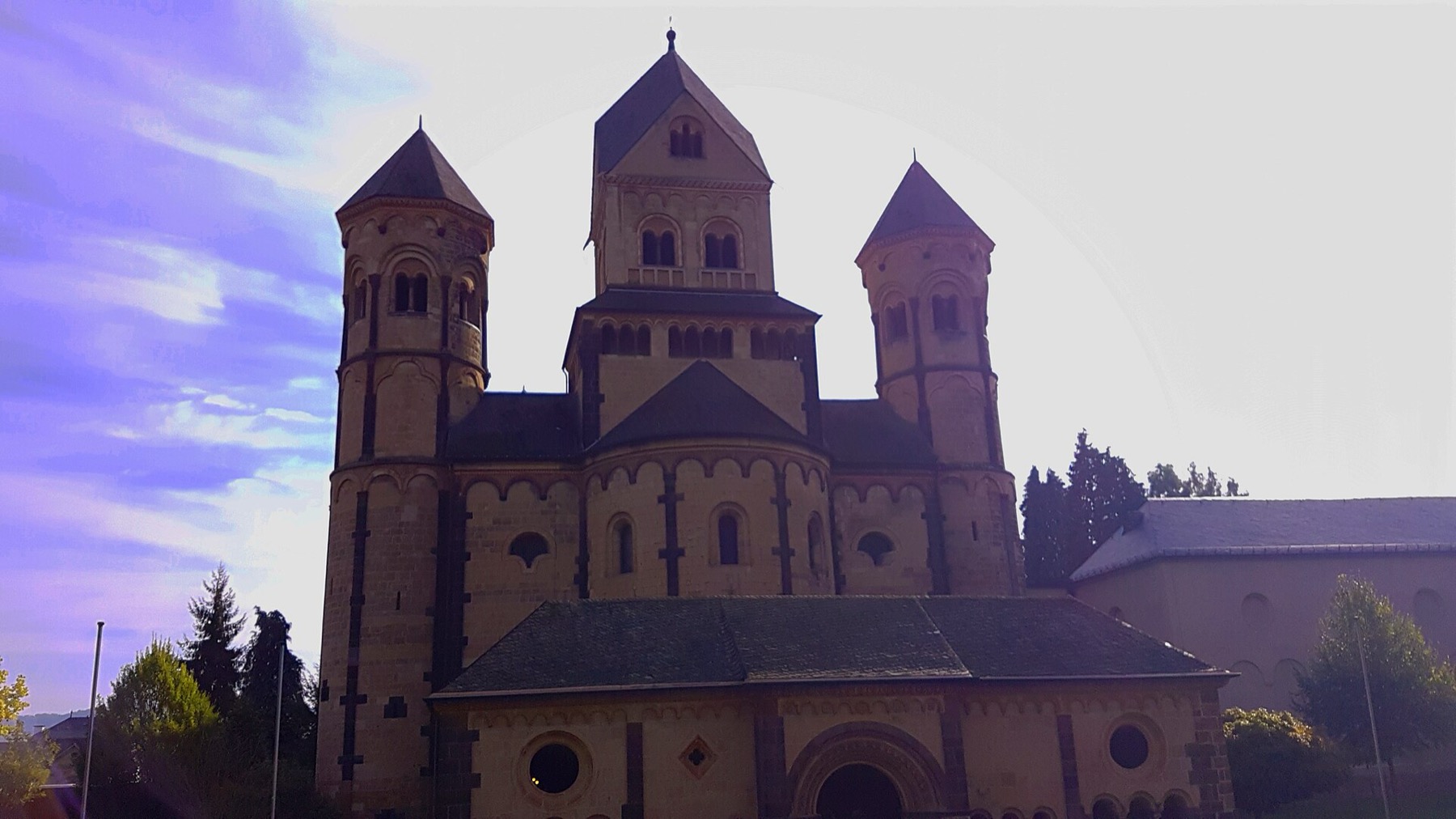 Progressive Congress
Maria Laach Congress: Radical Proposals
International congress proposes vernacular, suppression of Last Gospel, and simplified Roman Canon.
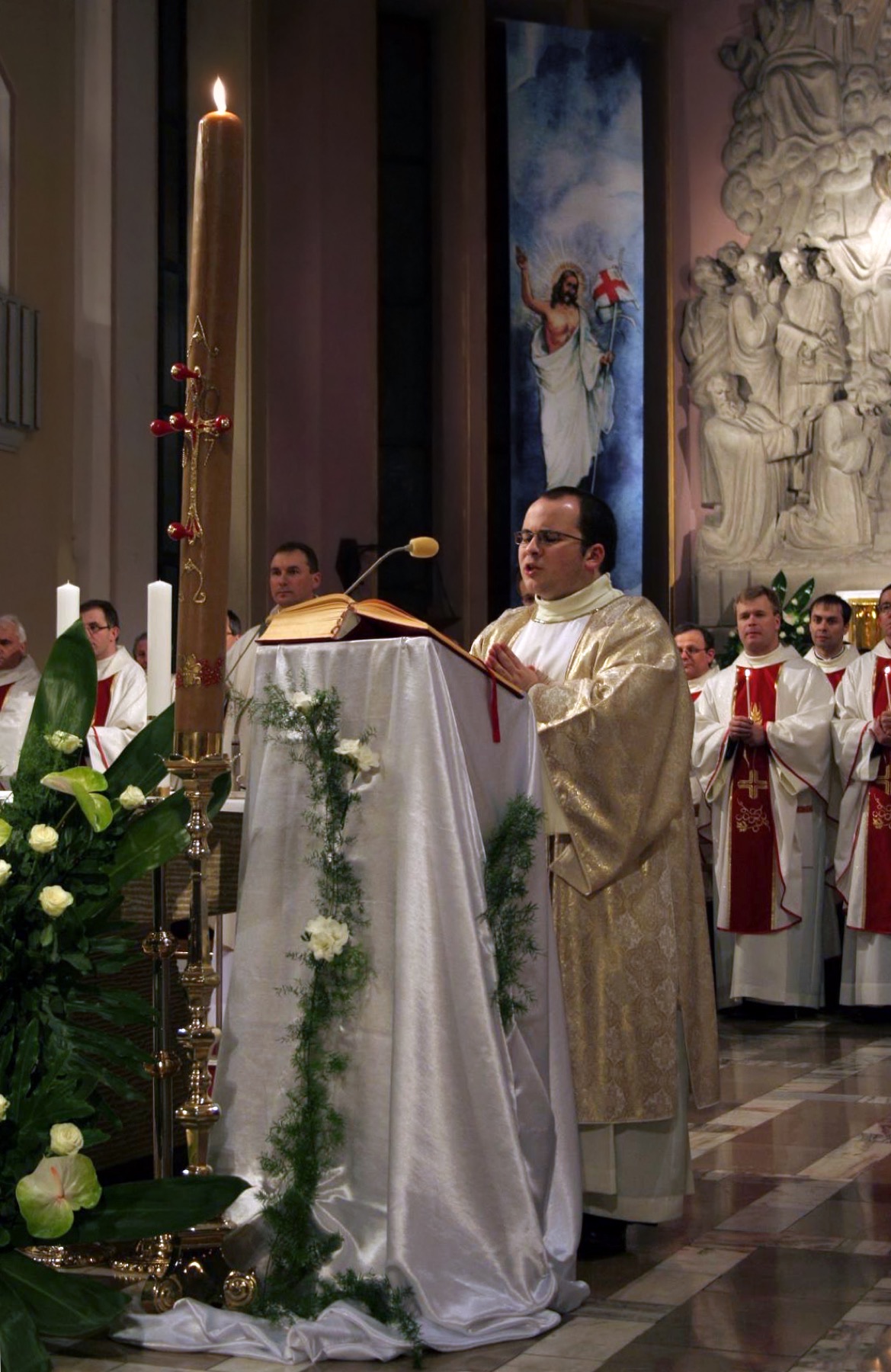 Pian Reform
Restored Easter Vigil
The Easter Vigil is restored to nighttime—the first major structural reform by committee.
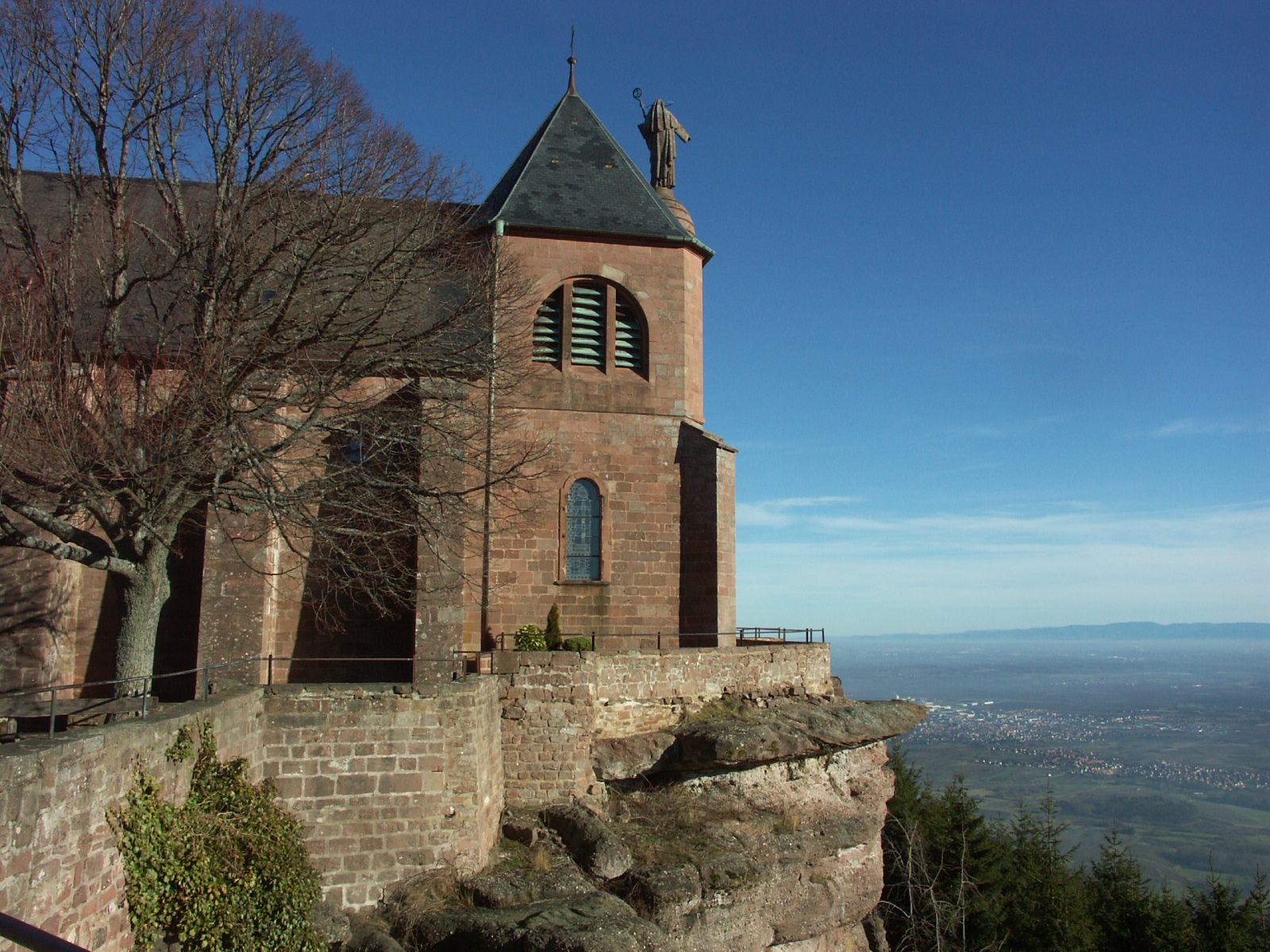 Progressive Congress
Mont Sainte-Odile Congress
French congress continues radical agenda: elimination of genuflections, simplified Communion formula.
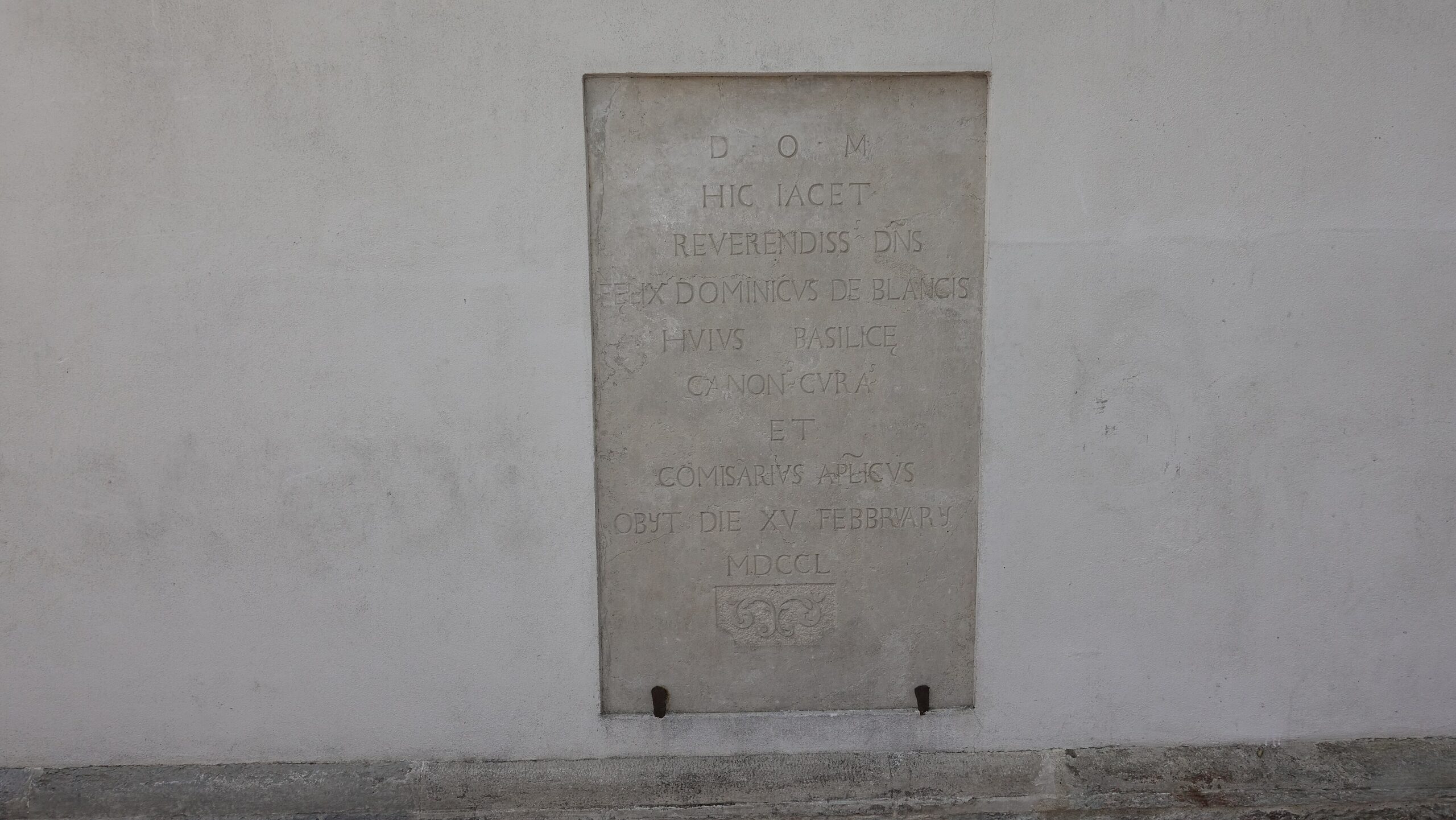 Progressive Congress
Lugano Congress
Resolutions approve the vernacular at High Mass. Traditionalist accounts report Cardinal Ottaviani celebrating versus populum here; the claim has not been found in any official act.
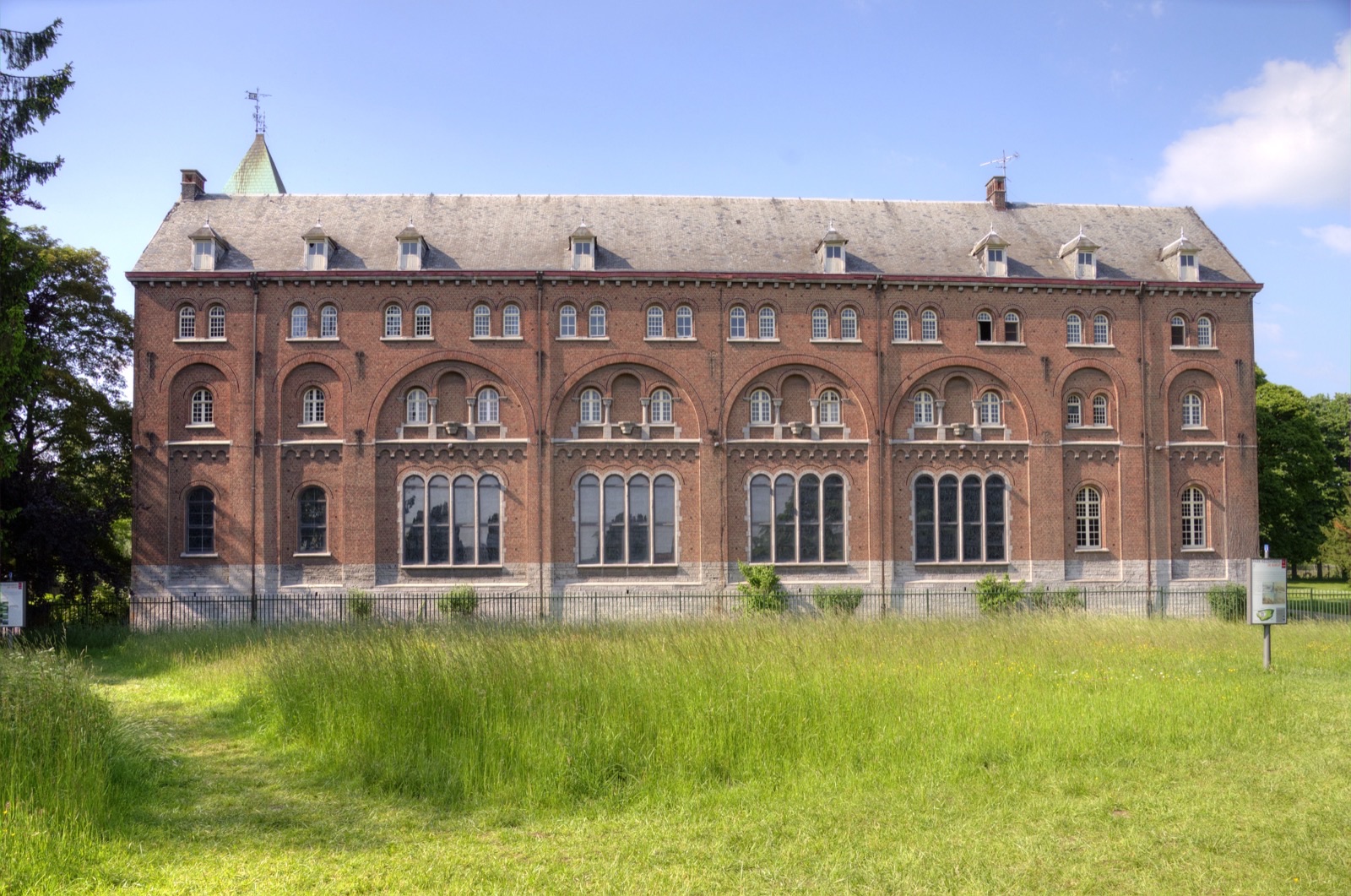 Progressive Congress
Mont-César Conference
At Beauduin's abbey, the international network of progressive liturgists solidifies.
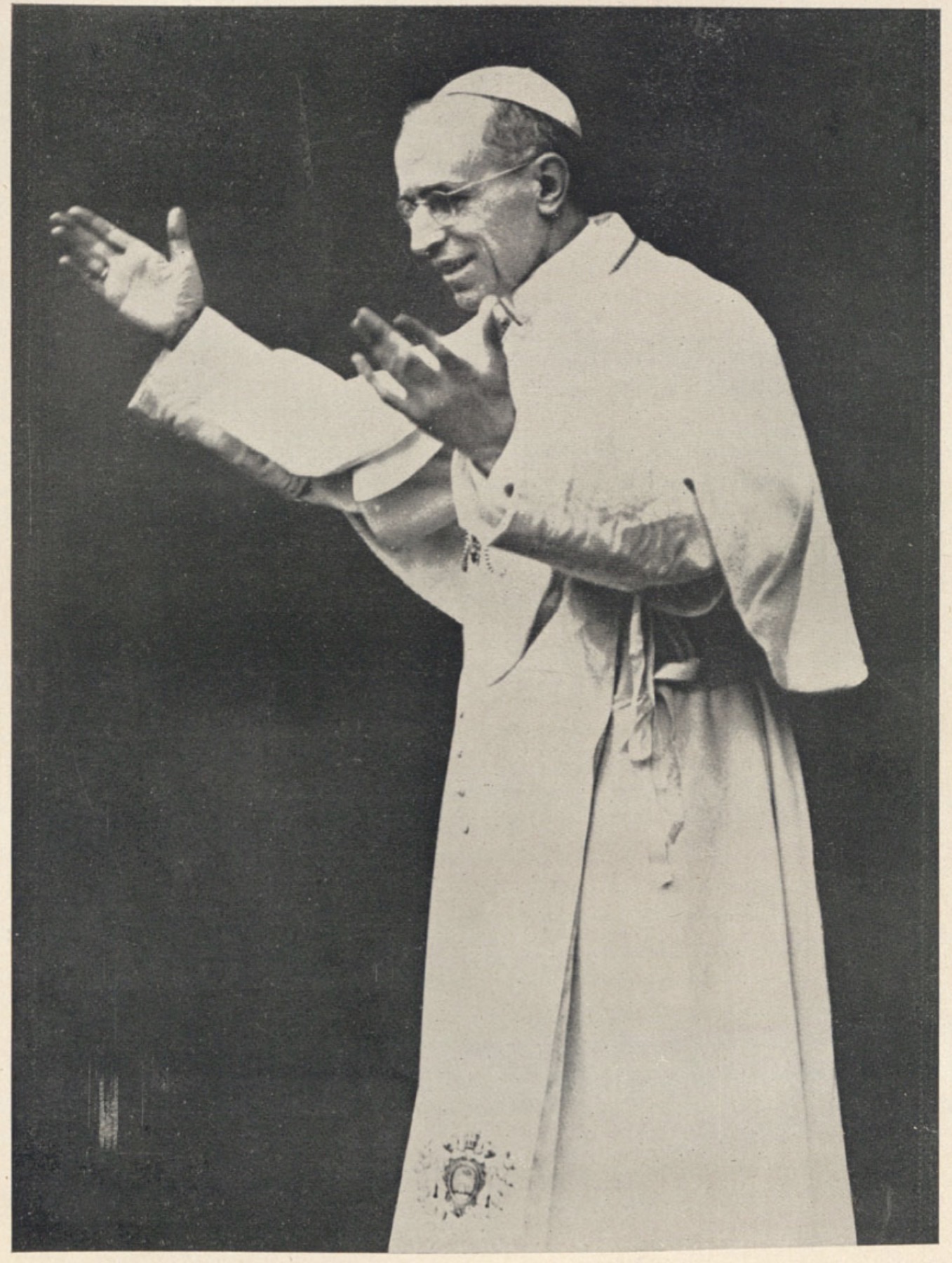 Mixed / Ambiguous
Holy Week Reform
Bugnini's commission rewrites Holy Week. One of the reformers, Fr. Carusi, called it a “battering ram” against the Roman Rite.
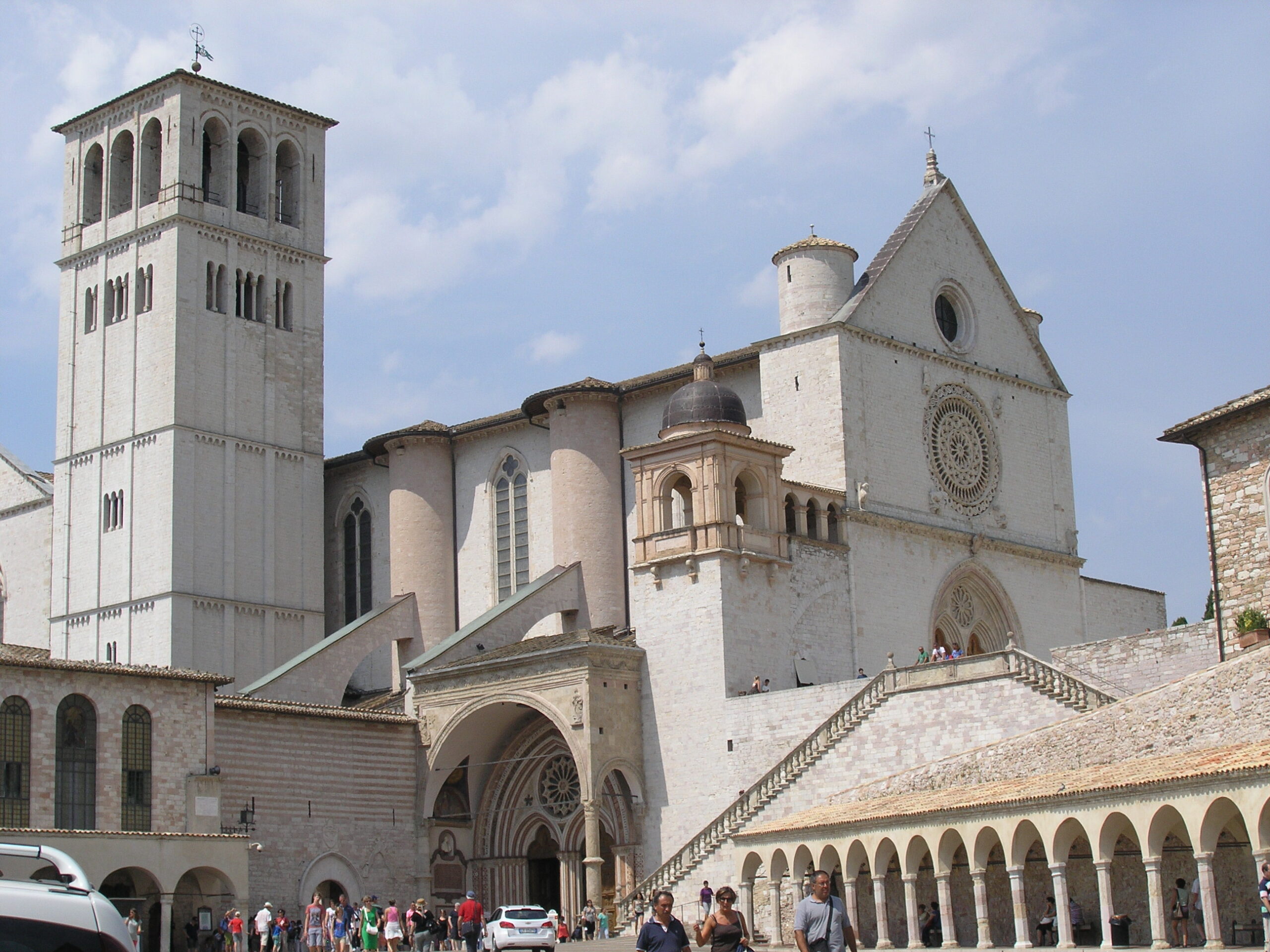 Progressive Congress
Assisi Congress — Bugnini Ascendant
Major international congress draws a papal blessing, and Pius XII addresses it. The movement’s four centers are now working in the open, with Bugnini in the ascendant.
 Orthodox Renewal
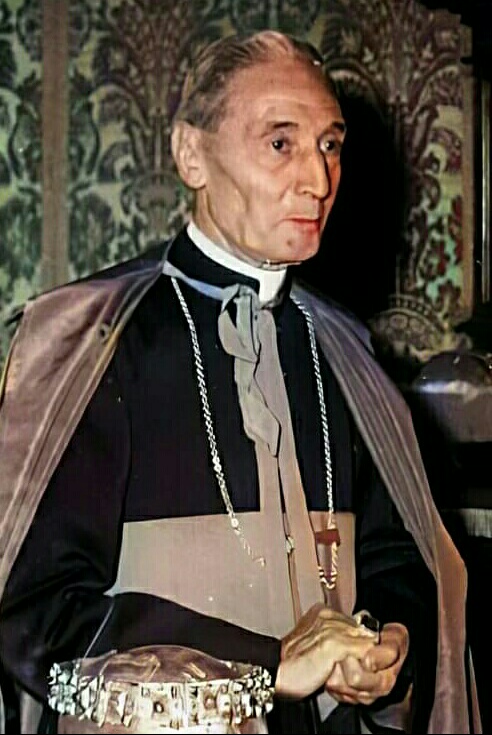
Cardinal Dante’s Warning
Cardinal Enrico Dante, Prefect of Pontifical Ceremonies, formally protests the Assisi Congress resolutions to the Vatican, warning that they exceed the scope of legitimate reform. His protest is ignored.
 Papal / Magisterial
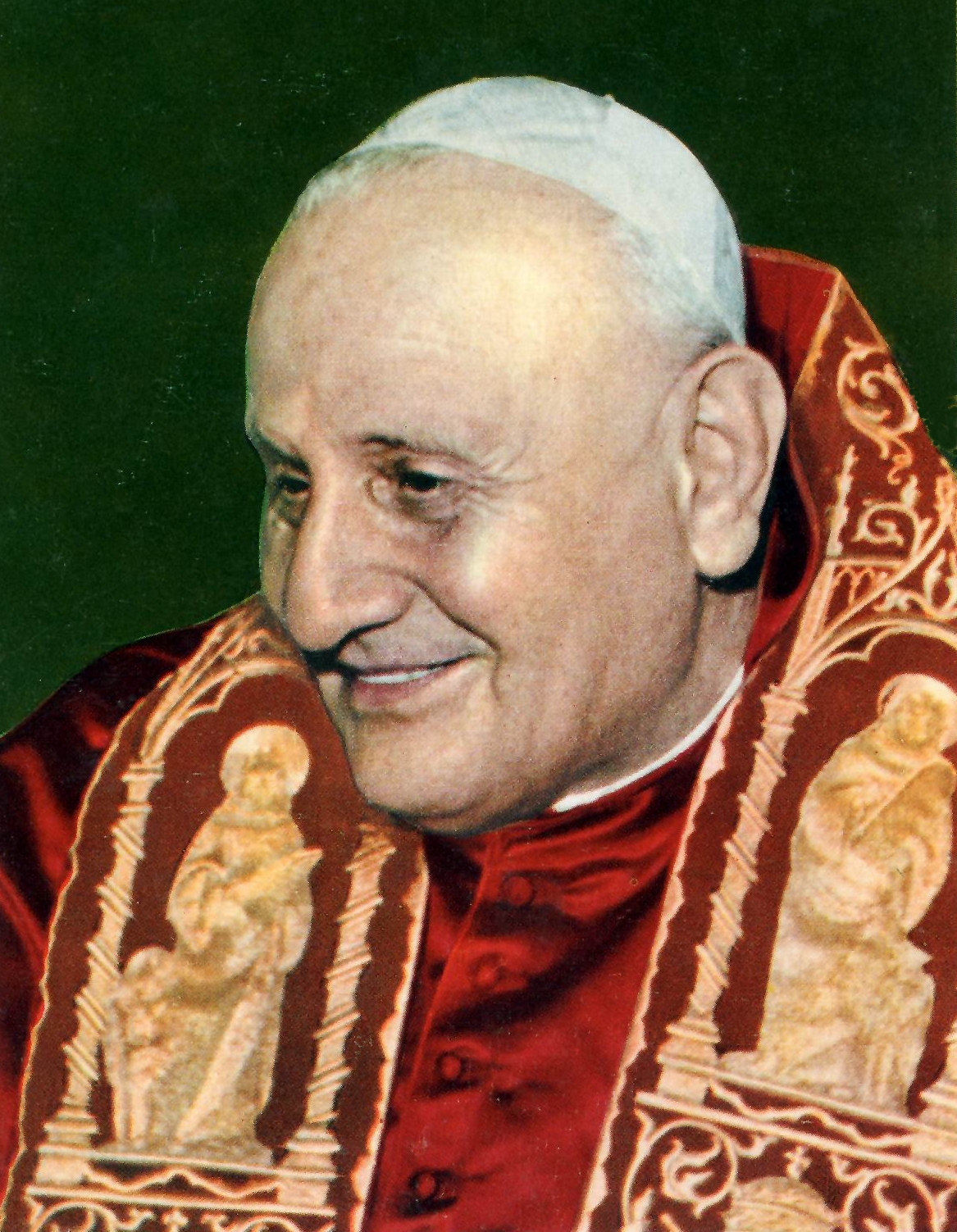
Vatican II Announced
Pope John XXIII announces an Ecumenical Council, giving the progressive liturgical faction an opportunity to embed their agenda in a conciliar document — transforming what had been a scholarly movement into a mandate for universal reform.
 Key Appointment
Bugnini Heads Council Preparatory Commission
Bugnini drafts the schema the Council will debate, minuting that much be said “in embryo” to keep postconciliar doors open.
 Removal
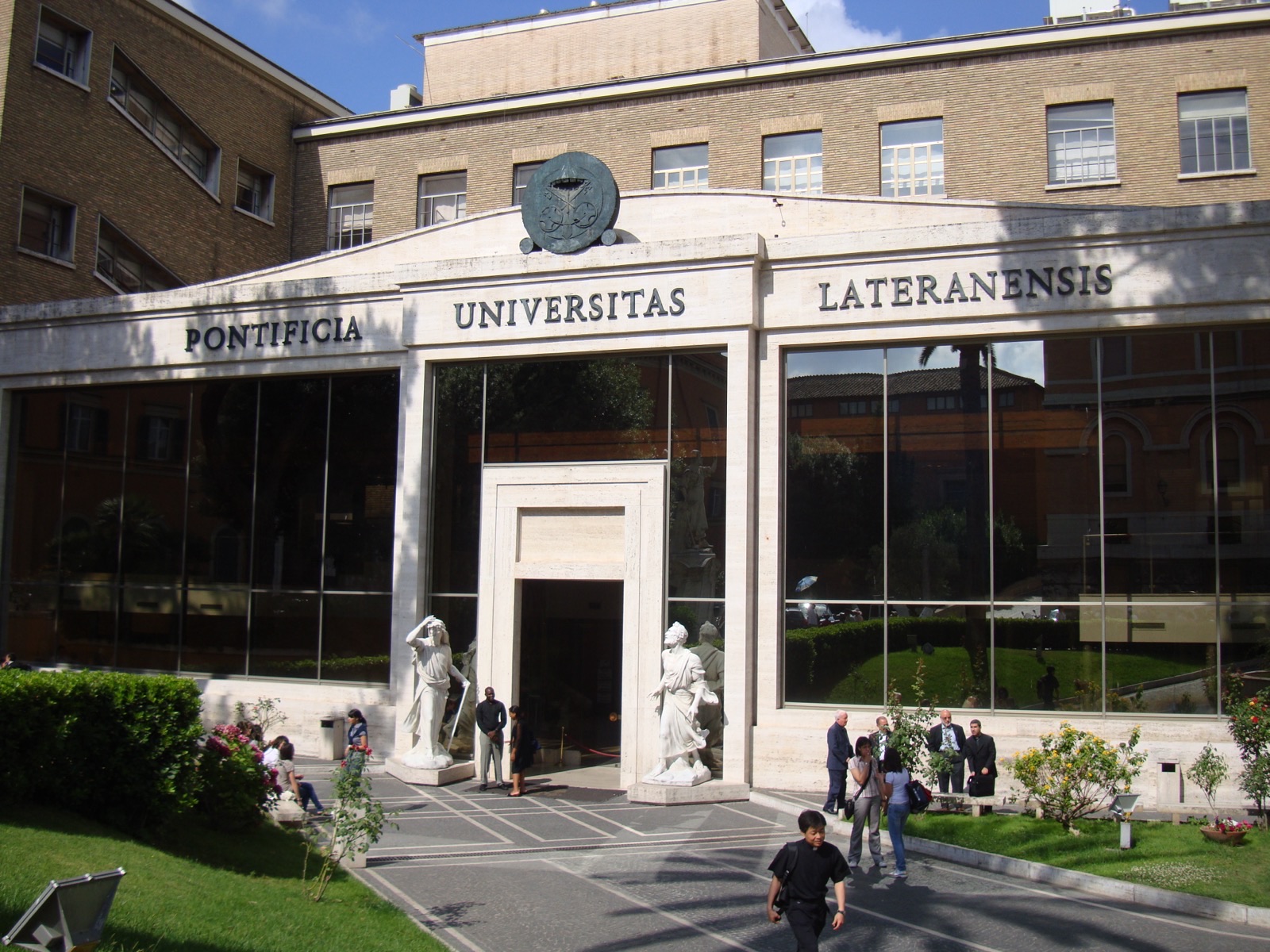
Bugnini's “First Exile”
The Congregation of Rites under Cardinal Larraona removes Bugnini from his Lateran chair and the preparatory secretaryship, with John XXIII’s acquiescence. No reason is ever published.
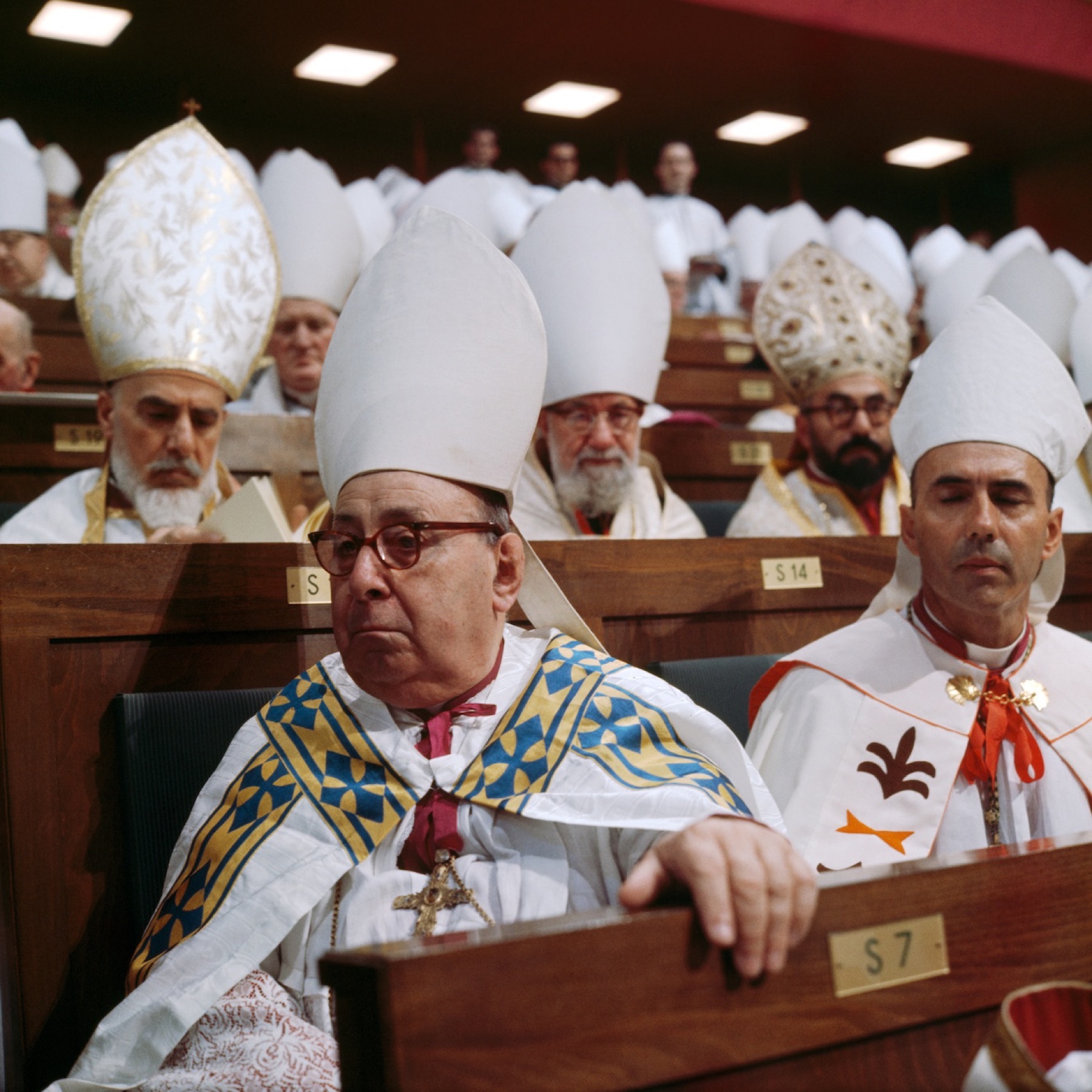 Procedural Turning Point
The Liénart-Frings Intervention
Liénart and Frings move to postpone the commission elections so the bishops can propose their own candidates. The presidency grants it; the hall applauds.
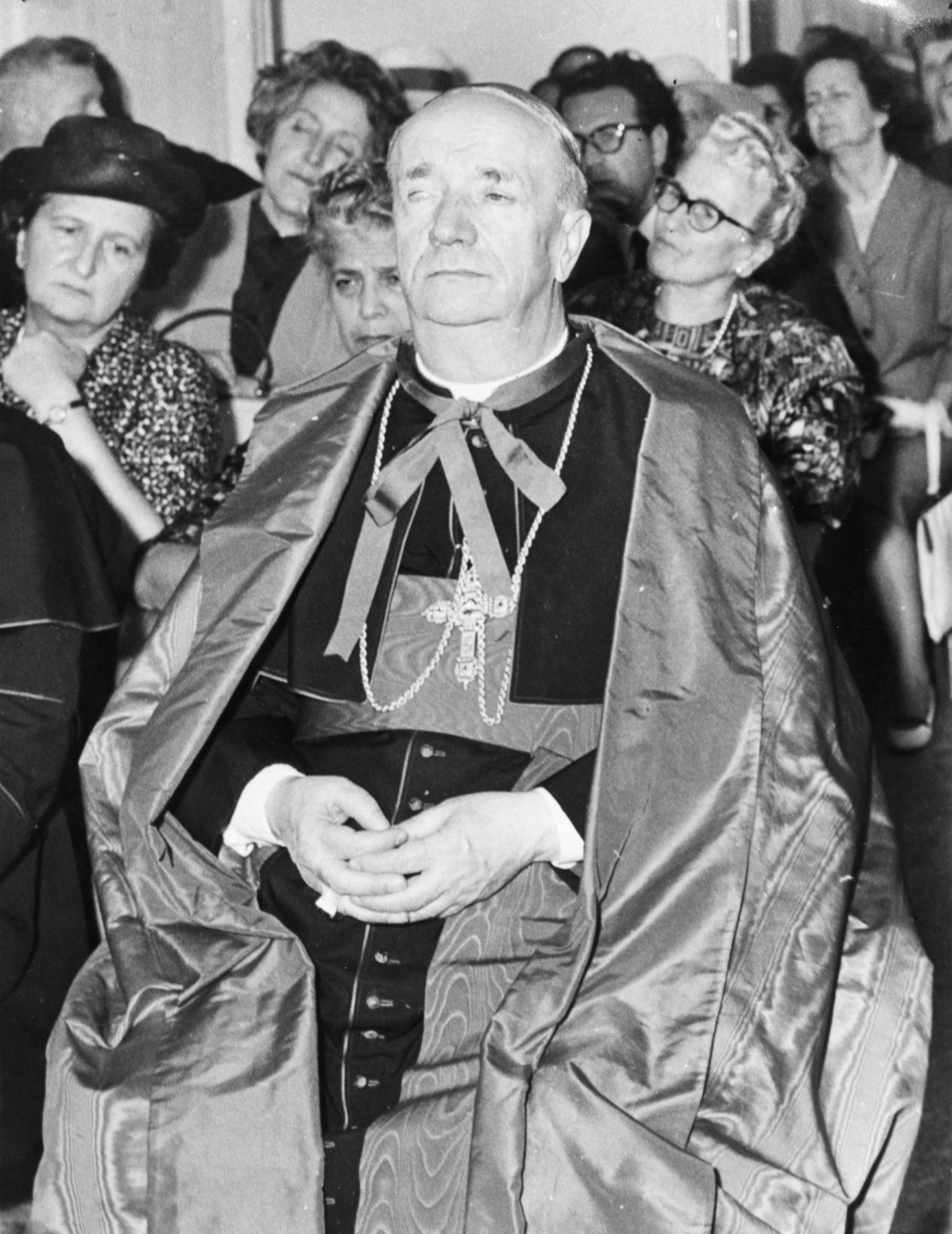 Traditionalist Stand
Ottaviani's Microphone Cut Off
The elderly, blind cardinal's microphone is switched off—a humiliating symbolic defeat.
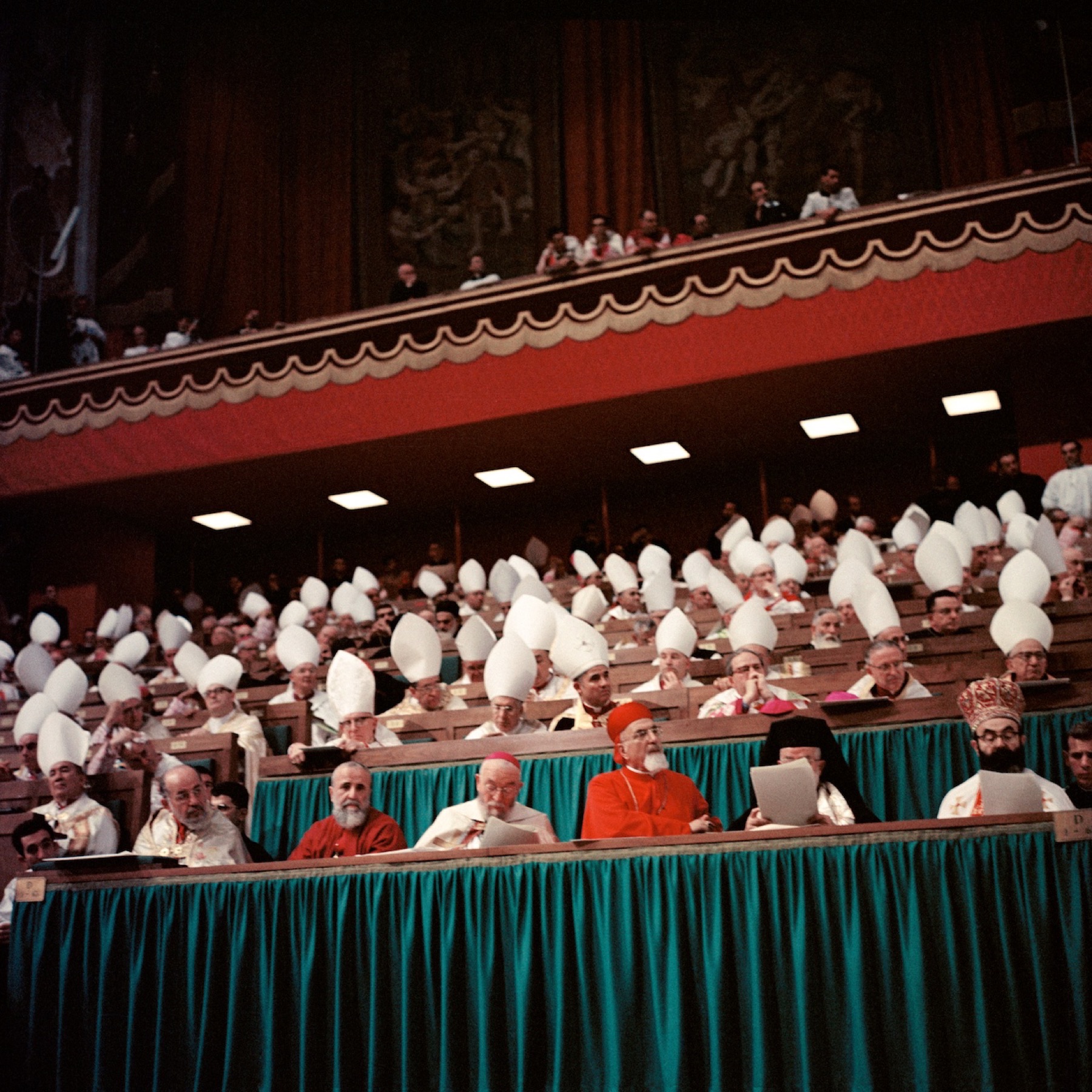 Progressive Victory
Rejection of the Curial Schemata
The Fathers vote to set aside the prepared doctrinal text; the vote falls short of two-thirds and John XXIII intervenes. The liturgy draft survives, and is amended on the floor.
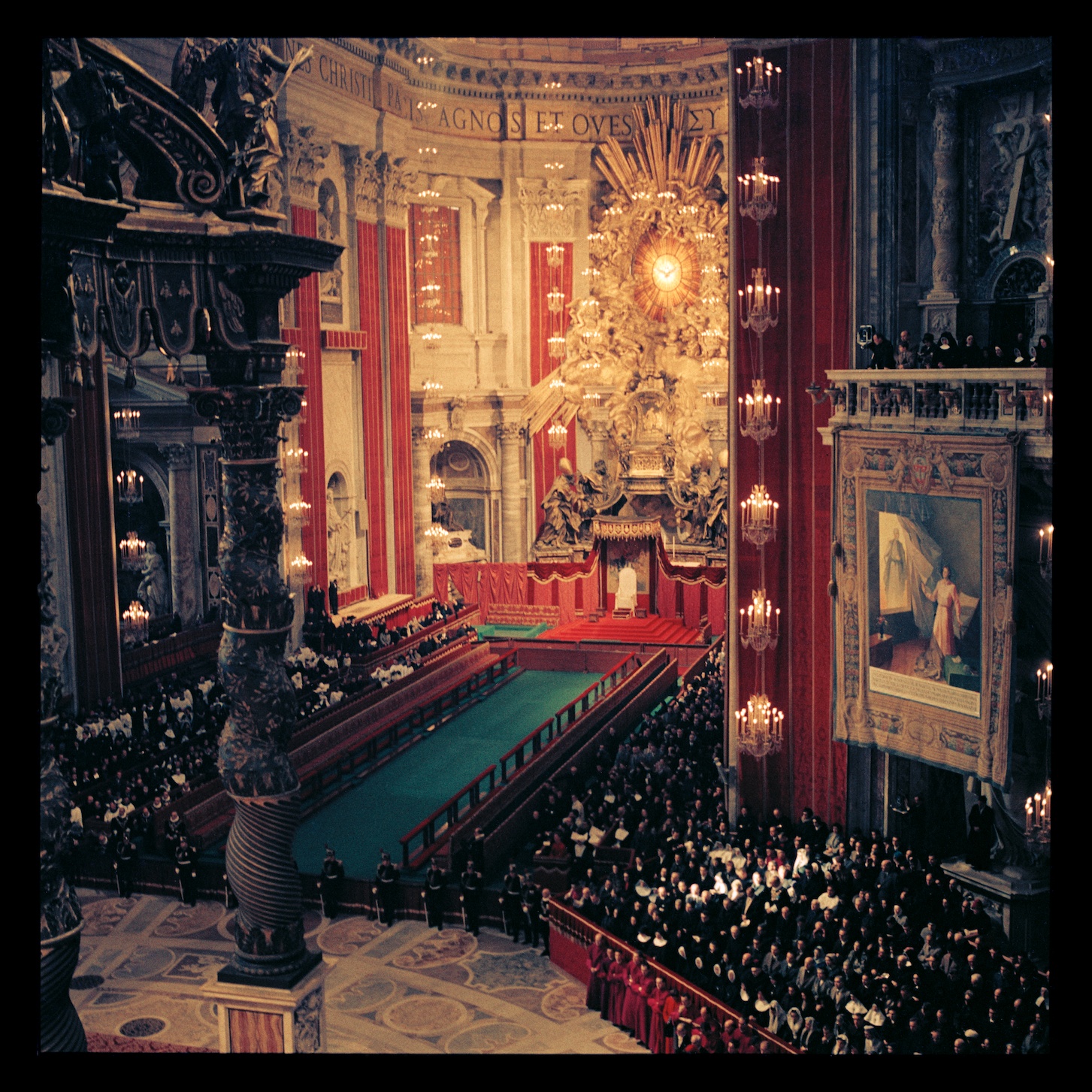 Papal / Magisterial
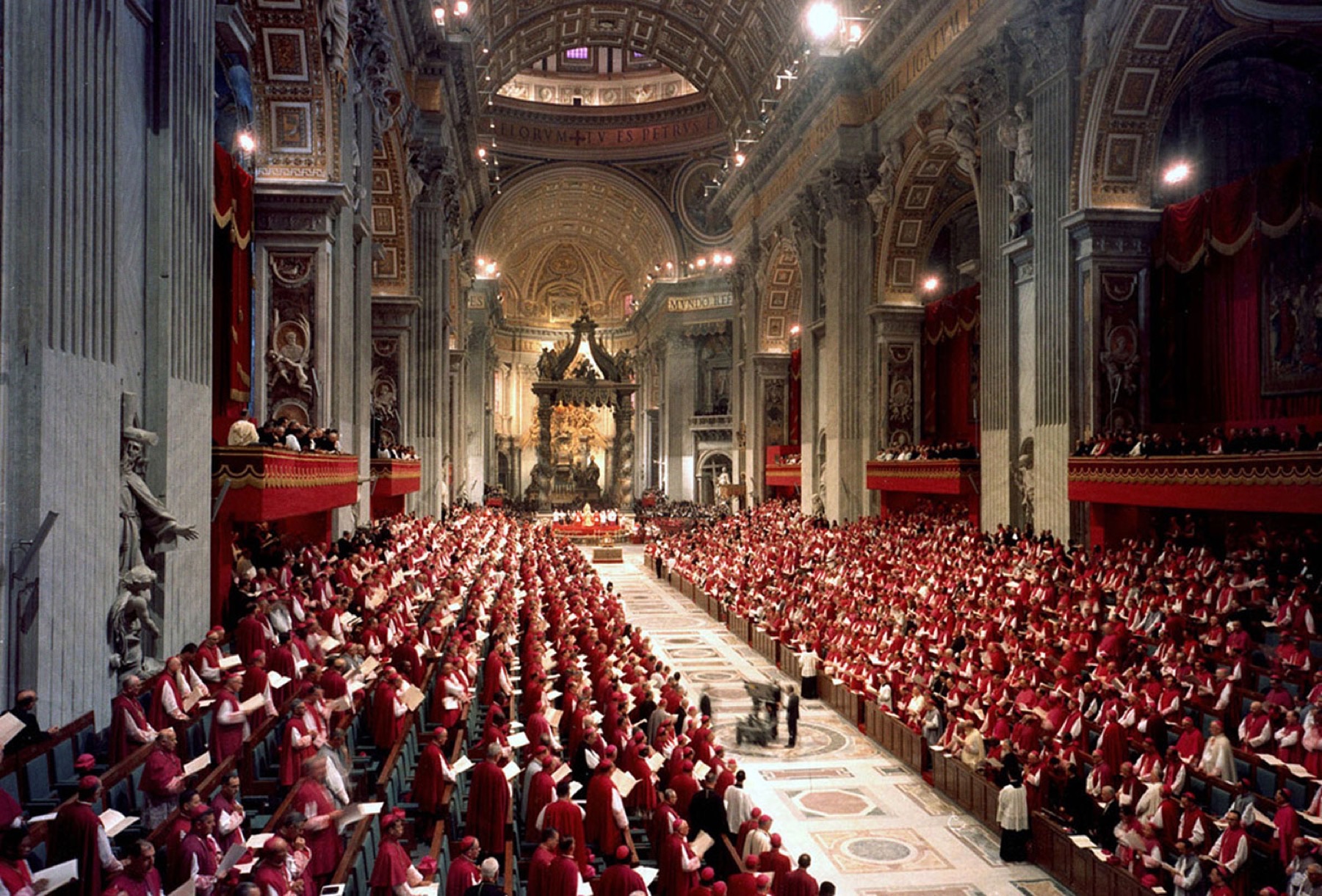
Sacrosanctum Concilium
Passes 2,147 to 4. It orders the revision of the books and of the rite itself (§§21, 25, 50), while preserving Latin and chant.
 Rupture / Radical
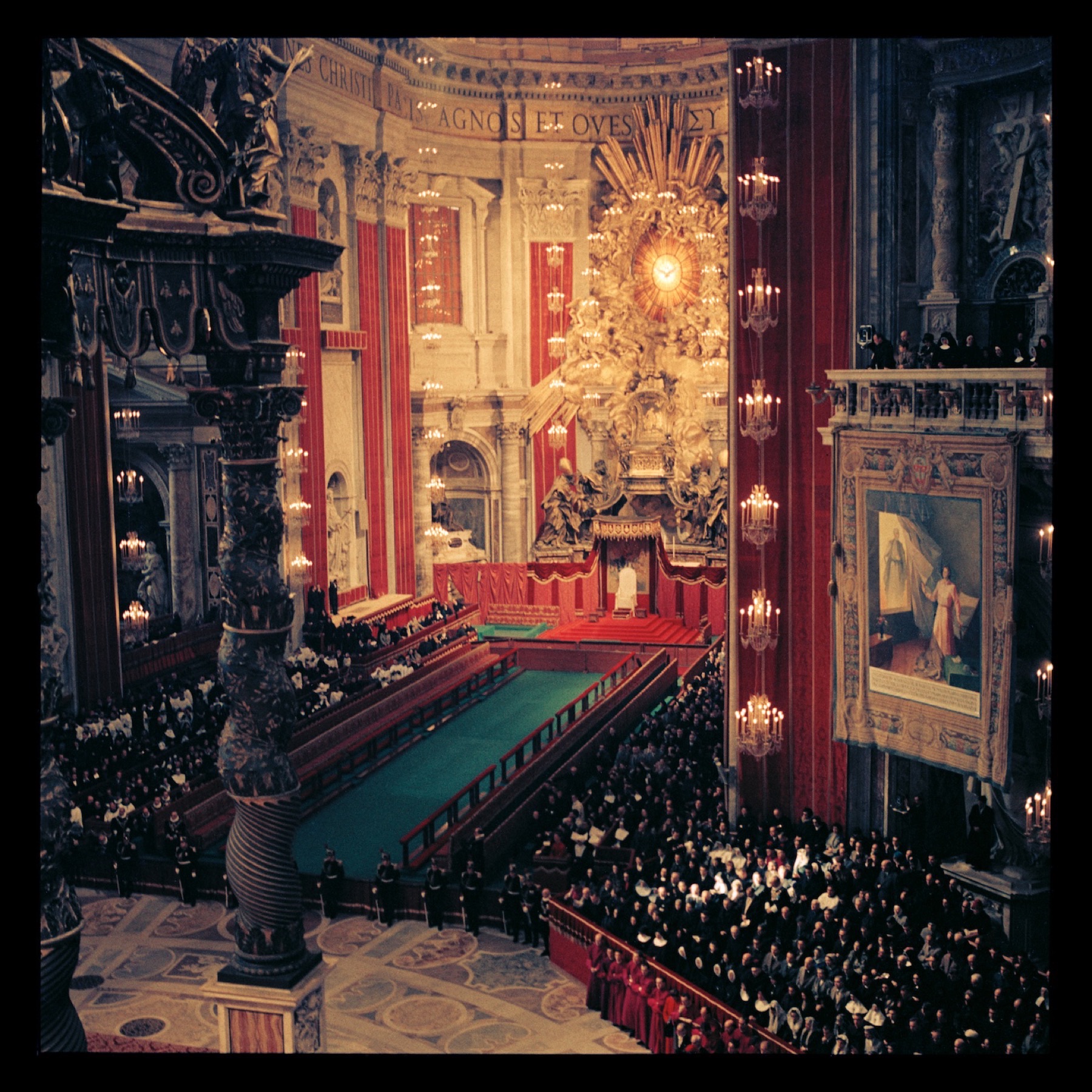
The Consilium — Bugnini as Secretary
Paul VI restores Bugnini as Secretary, giving him a “free hand” to implement reform.
 Ecumenical Observers
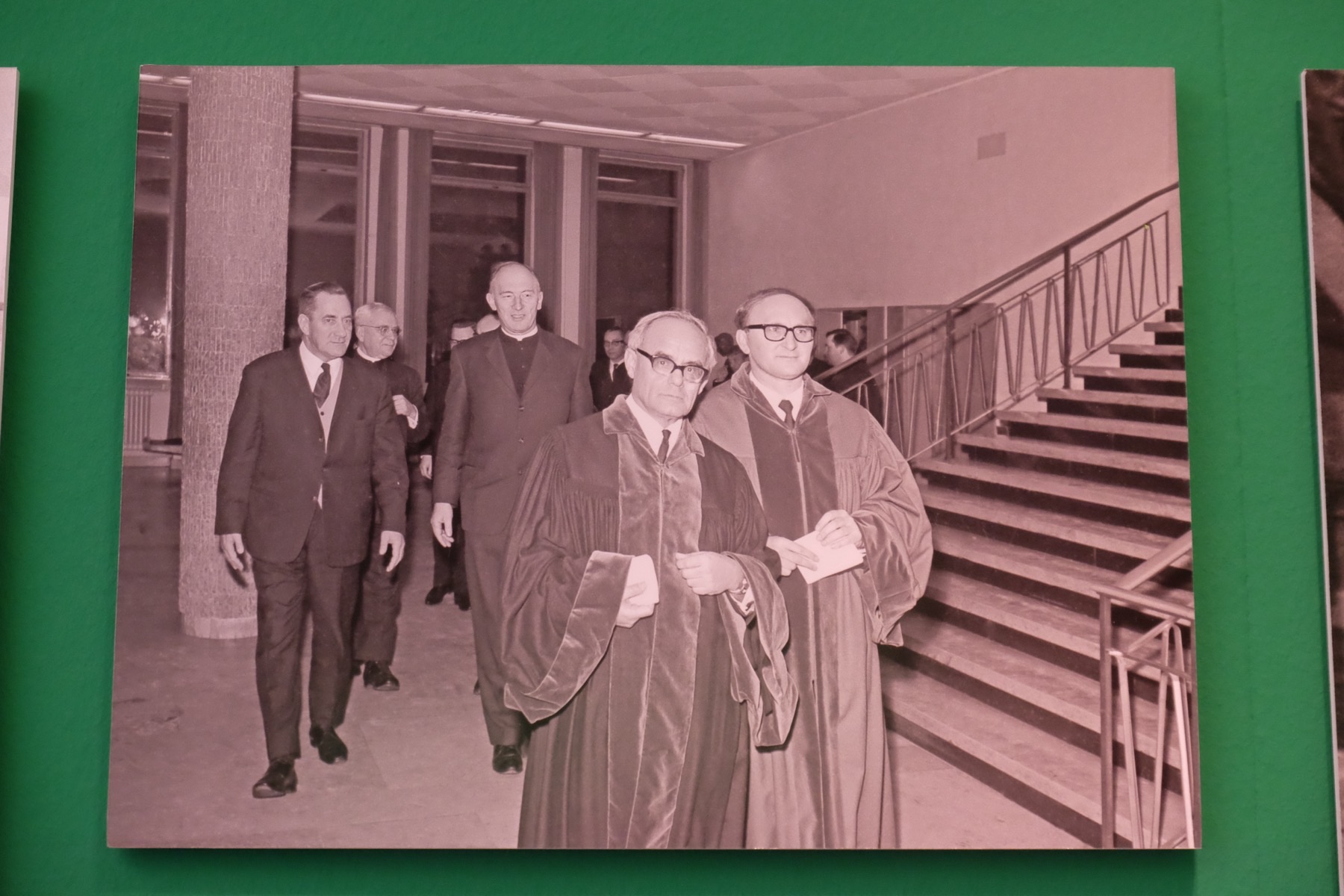
Protestant Observers Invited to Consilium
Six Protestant scholars attend the Consilium as observers. They did not write the rite: on the Holy See’s own record the authorship claim is false. The real question is influence on tone and ecumenical sensibility.
 Progressive Publication
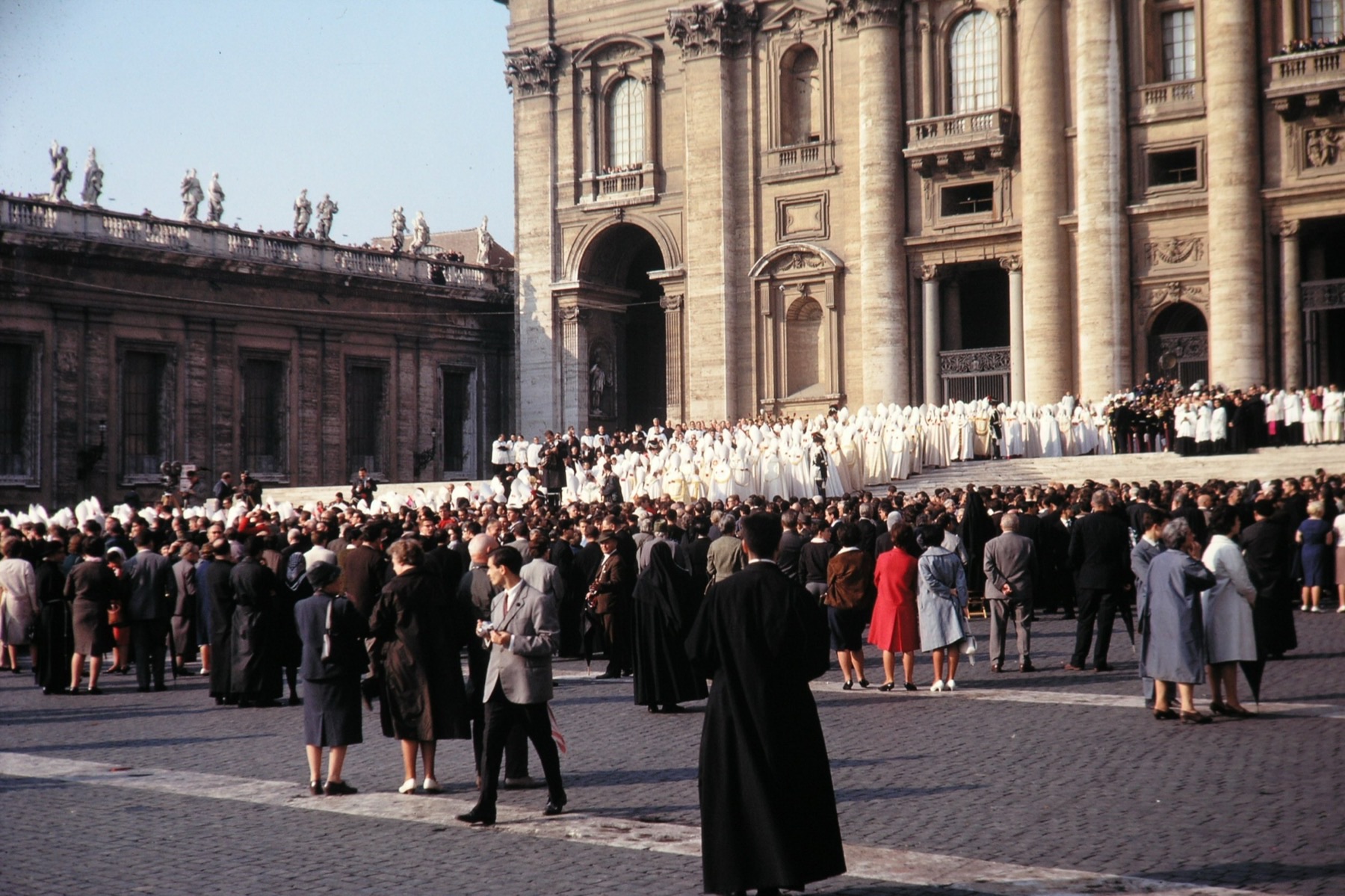
Concilium Journal Founded
Progressive theologians found Concilium to perpetuate the “spirit of Vatican II.”
 Faction Split
De Lubac Resigns from Concilium
De Lubac calls Concilium “a propaganda tool”—the first crack in the progressive coalition.
 Episcopal Resistance
Synod of Bishops: Missa Normativa Tepidly Received
Only 71 bishops approve; 43 reject outright. Cardinal Heenan warns it would empty parishes.
 Anaphora Reform
The “Trattoria Canon”: Eucharistic Prayer II
Botte’s reconstruction of an ancient anaphora is reordered to the Roman Canon’s sequence, and Bouyer revises it in extremis. The famous story that it was drafted over dinner in a single evening is not what his memoirs say.
 Orthodox Renewal
The Ottaviani Intervention
Cardinals warn the Novus Ordo “represents a striking departure from Catholic theology of the Mass.”
 Promulgation
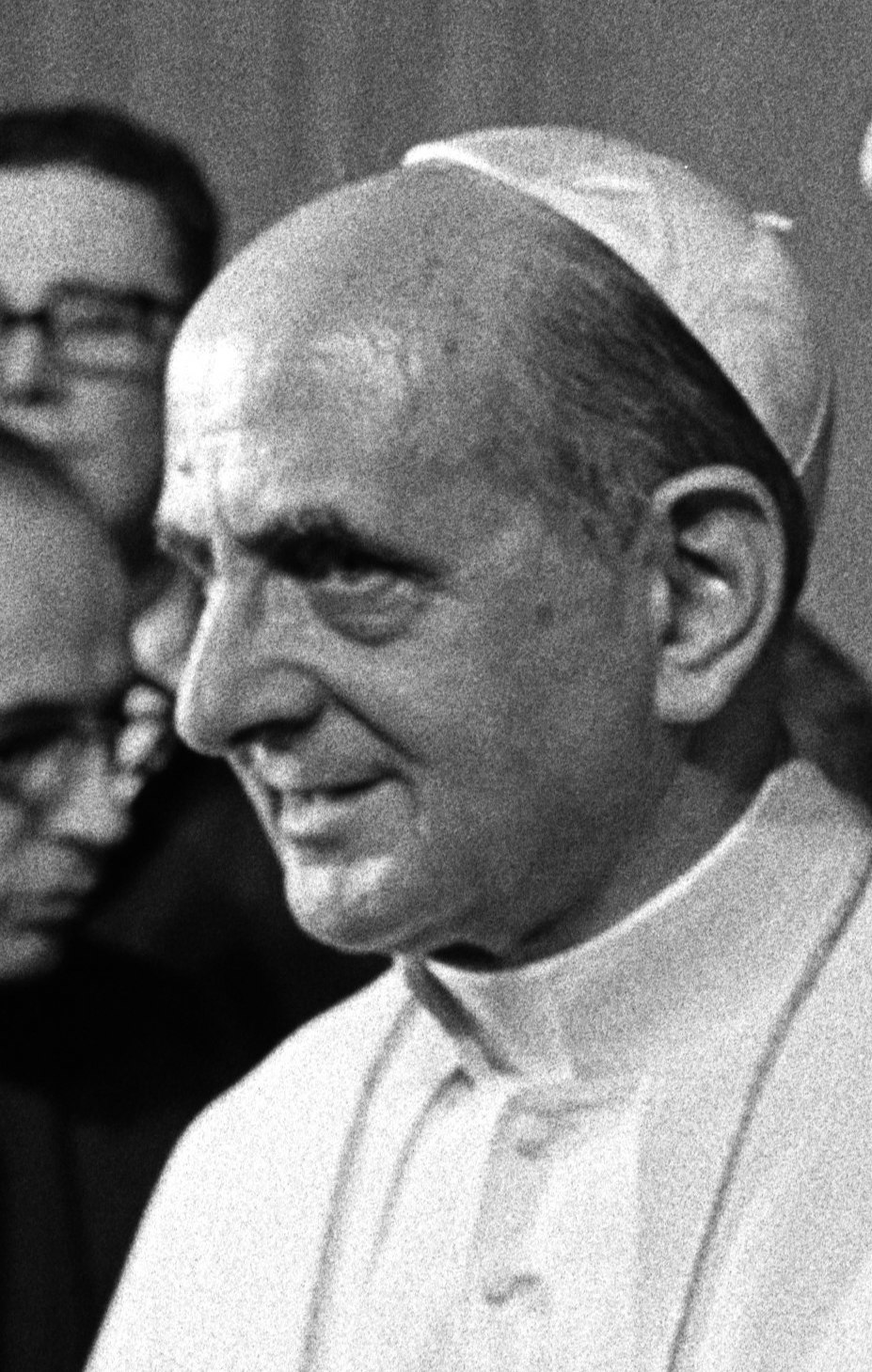
Novus Ordo Missae Promulgated
Paul VI promulgates the new Mass—a five-year transformation of 1,500 years of organic development.
 Orthodox Renewal
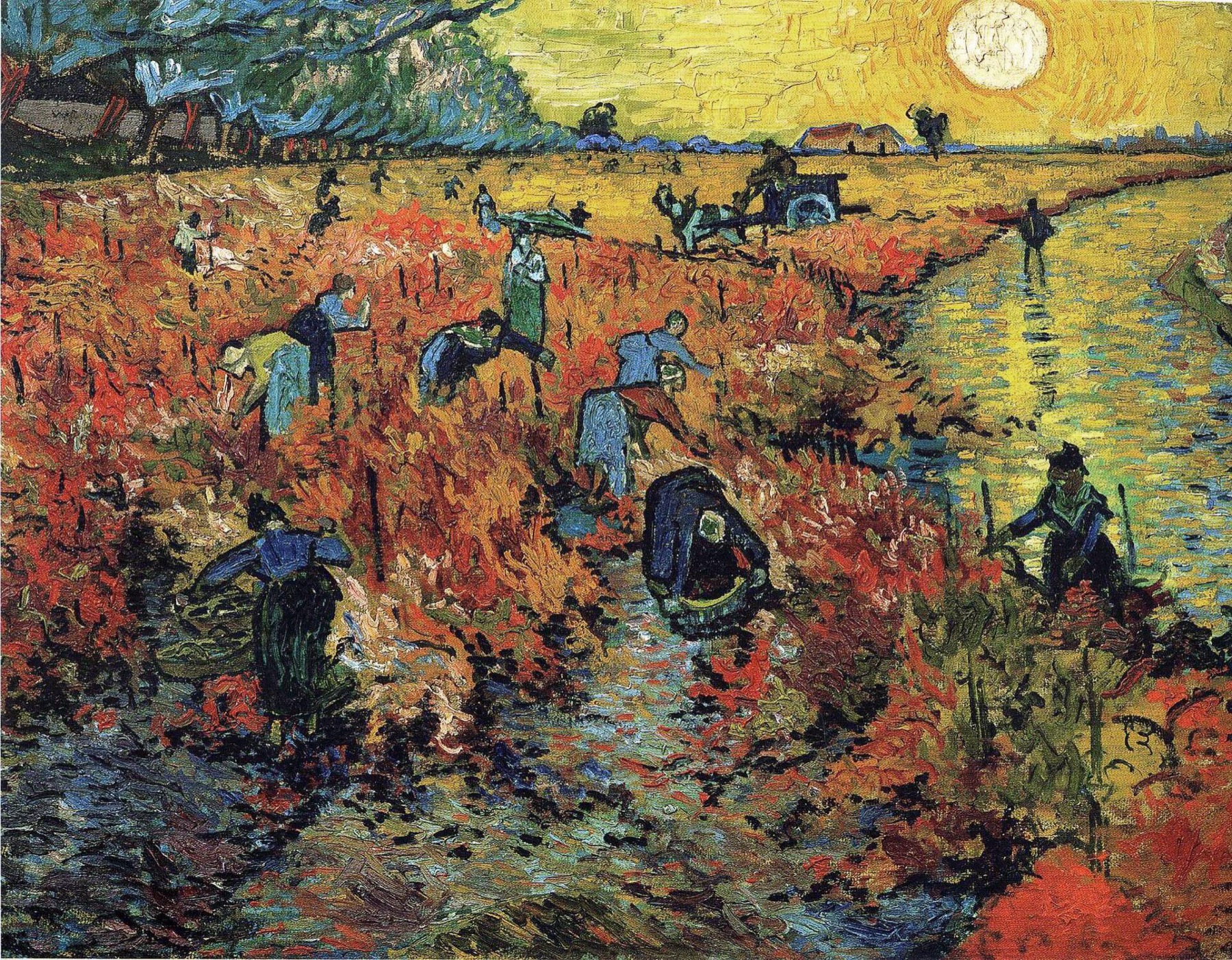
Dietrich von Hildebrand: The Devastated Vineyard
The philosopher Dietrich von Hildebrand, whom Pius XII called “the 20th century Doctor of the Church,” publishes The Devastated Vineyard, his critique of post-conciliar Catholicism and above all of the liturgical reform.
 Orthodox Renewal
SSPX Founded
Lefebvre establishes the SSPX in Écône to preserve the traditional priesthood and Mass.
 Orthodox Renewal
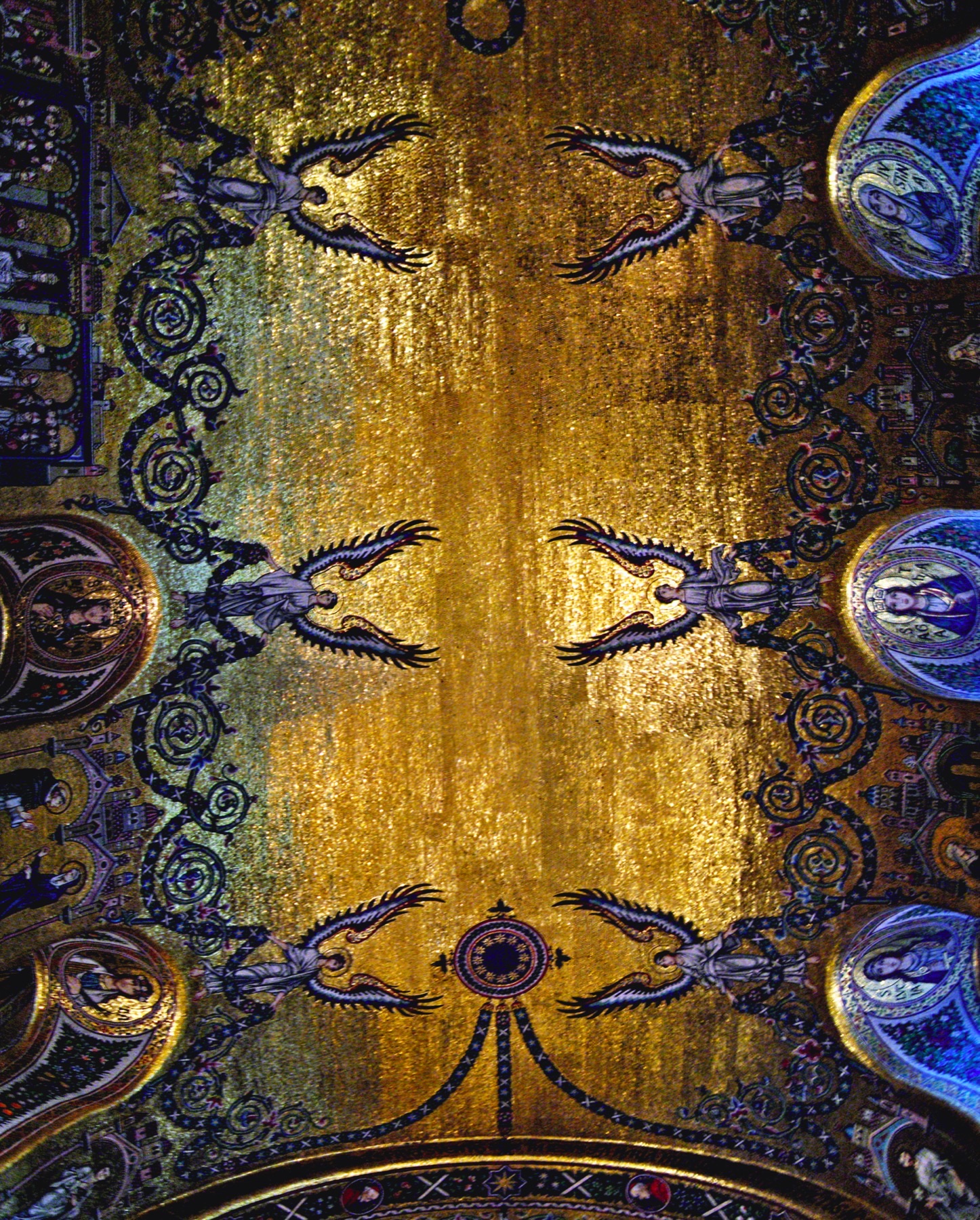
The Agatha Christie Indult
Intellectuals petition Paul VI. “Ah, Agatha Christie!” England and Wales receive an indult.
 Reform of the Reform
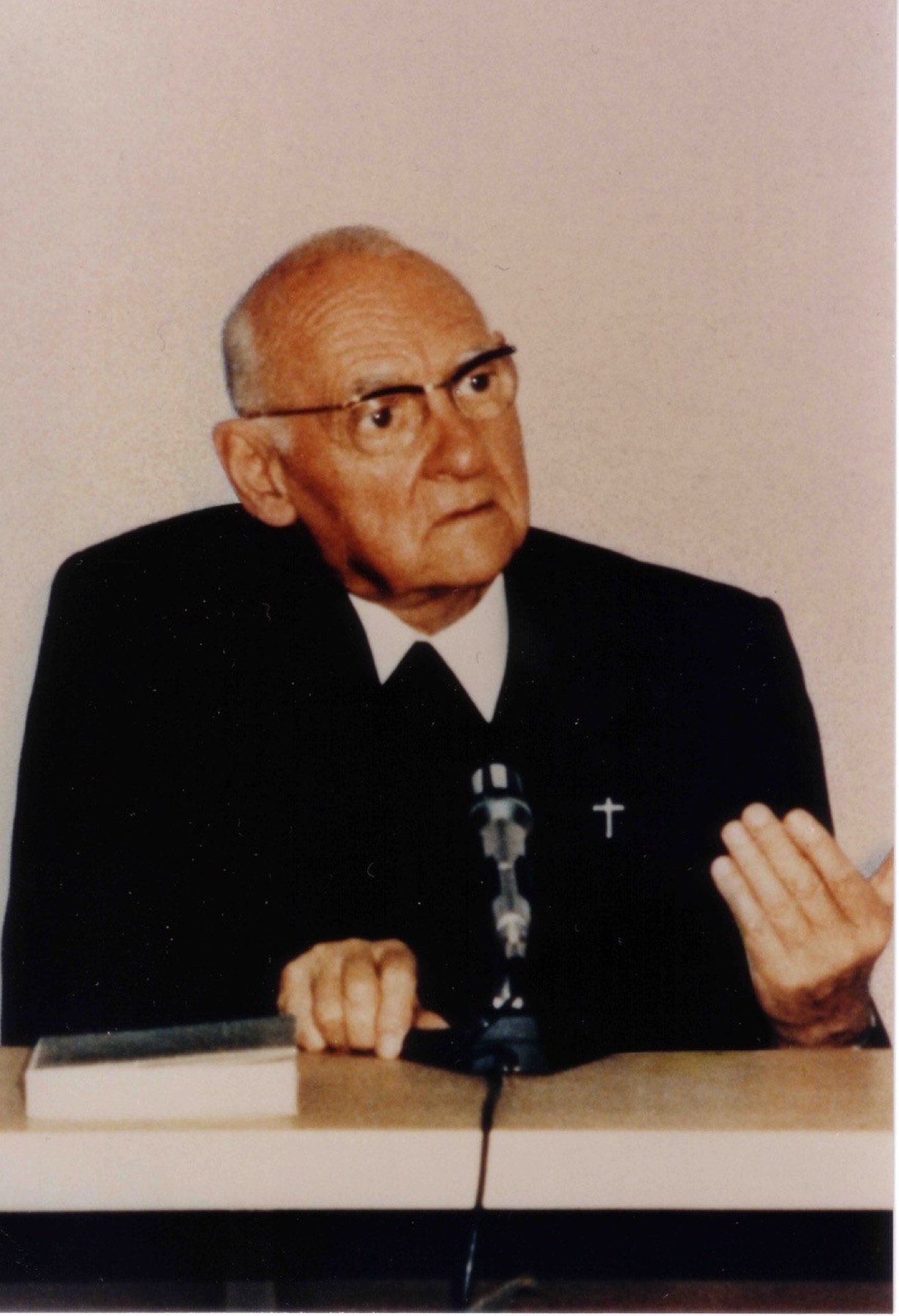
Communio Journal Founded
Balthasar, de Lubac, Ratzinger found Communio—birth of the “hermeneutic of continuity.”
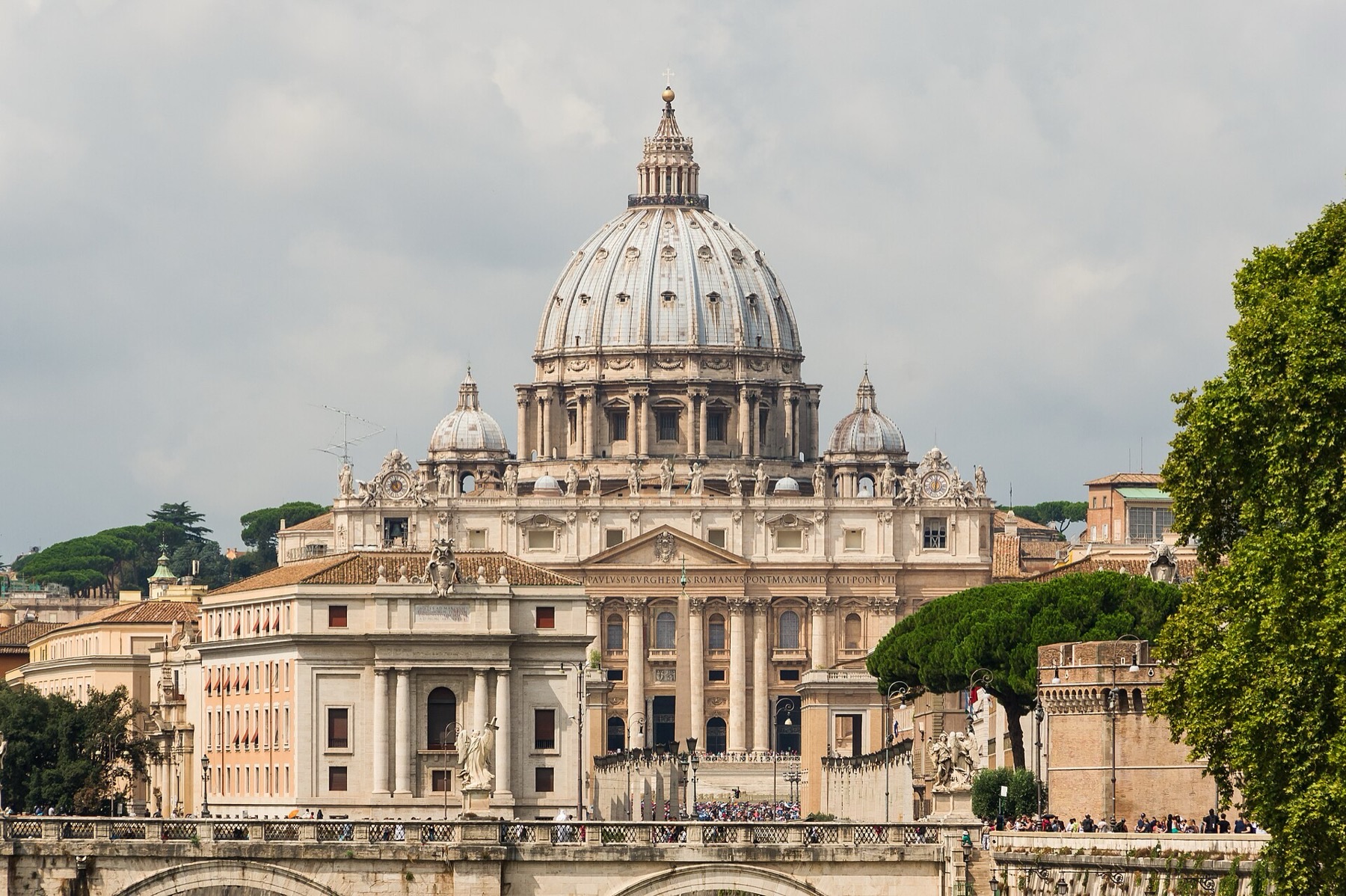 Removal
Bugnini Exiled to Iran
Bugnini is abruptly removed and sent to Iran as nuncio. No reason is published, and the explanations that circulate rest on memoir rather than on any act of the Holy See.
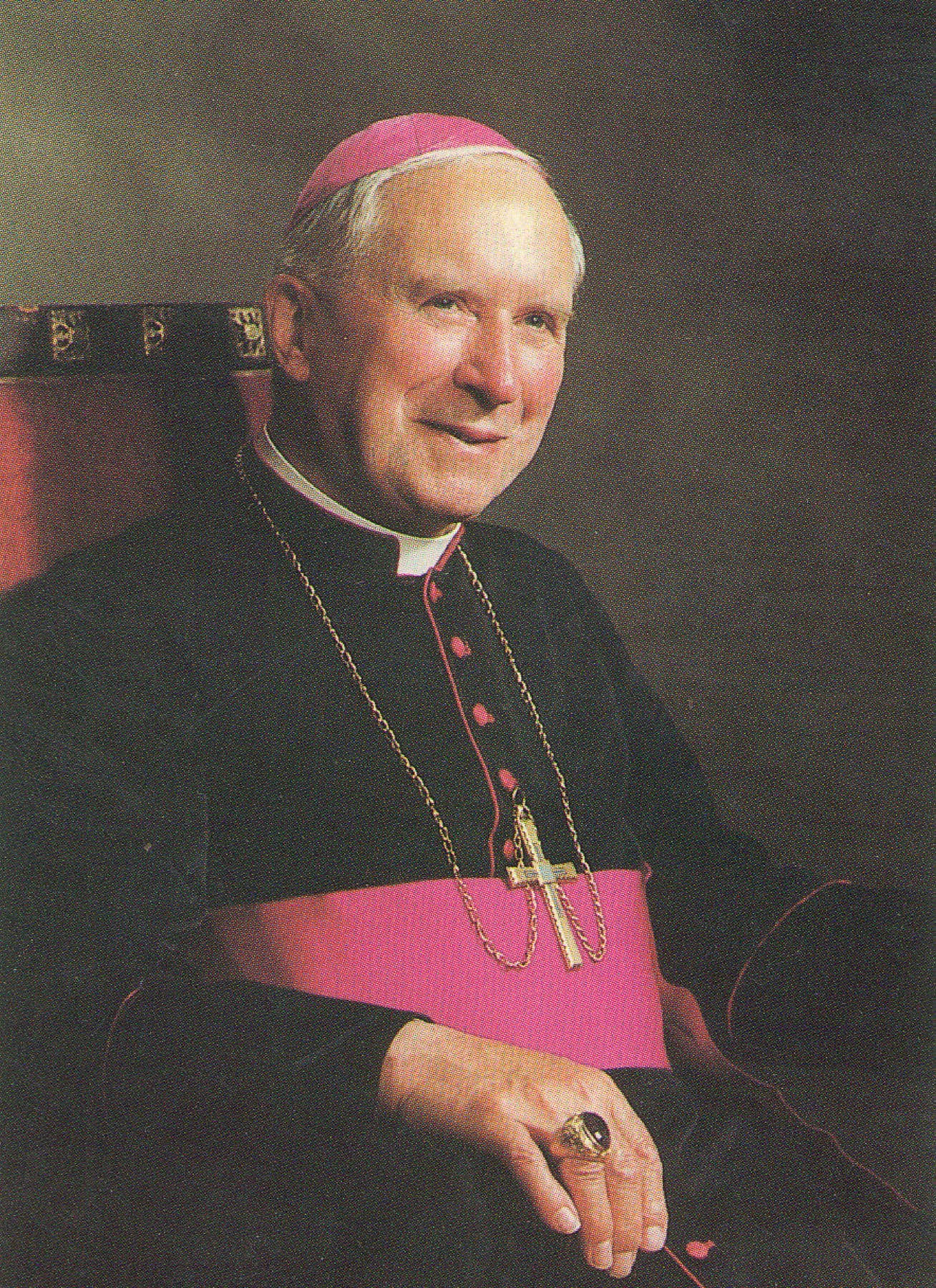 Canonical Crisis
Lefebvre Suspended
Lefebvre suspended a divinis for ordaining priests without permission.
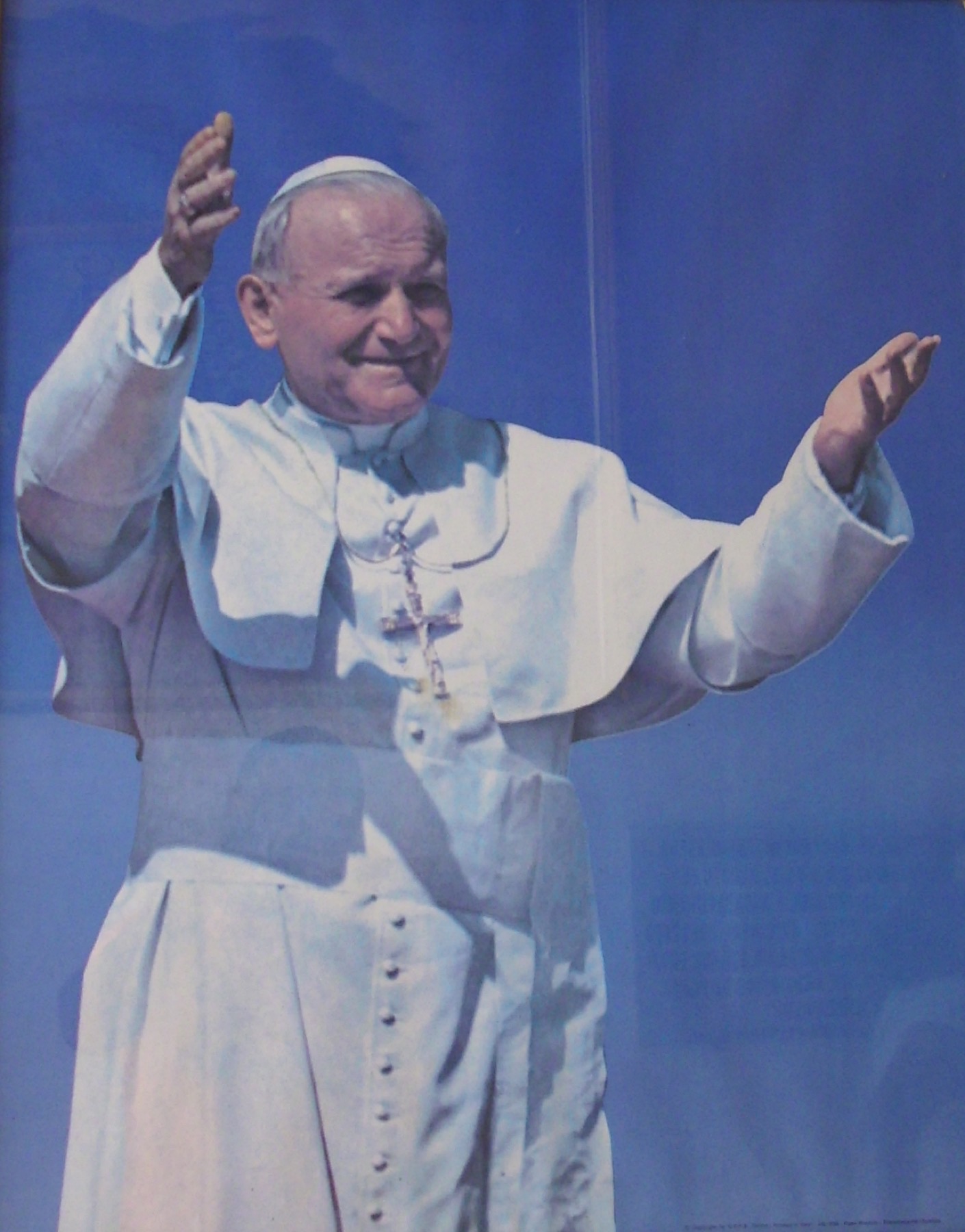 Partial Concession
Quattuor Abhinc Annos: The 1984 Indult
JPII grants limited indult—first acknowledgment the old Mass could not be suppressed.
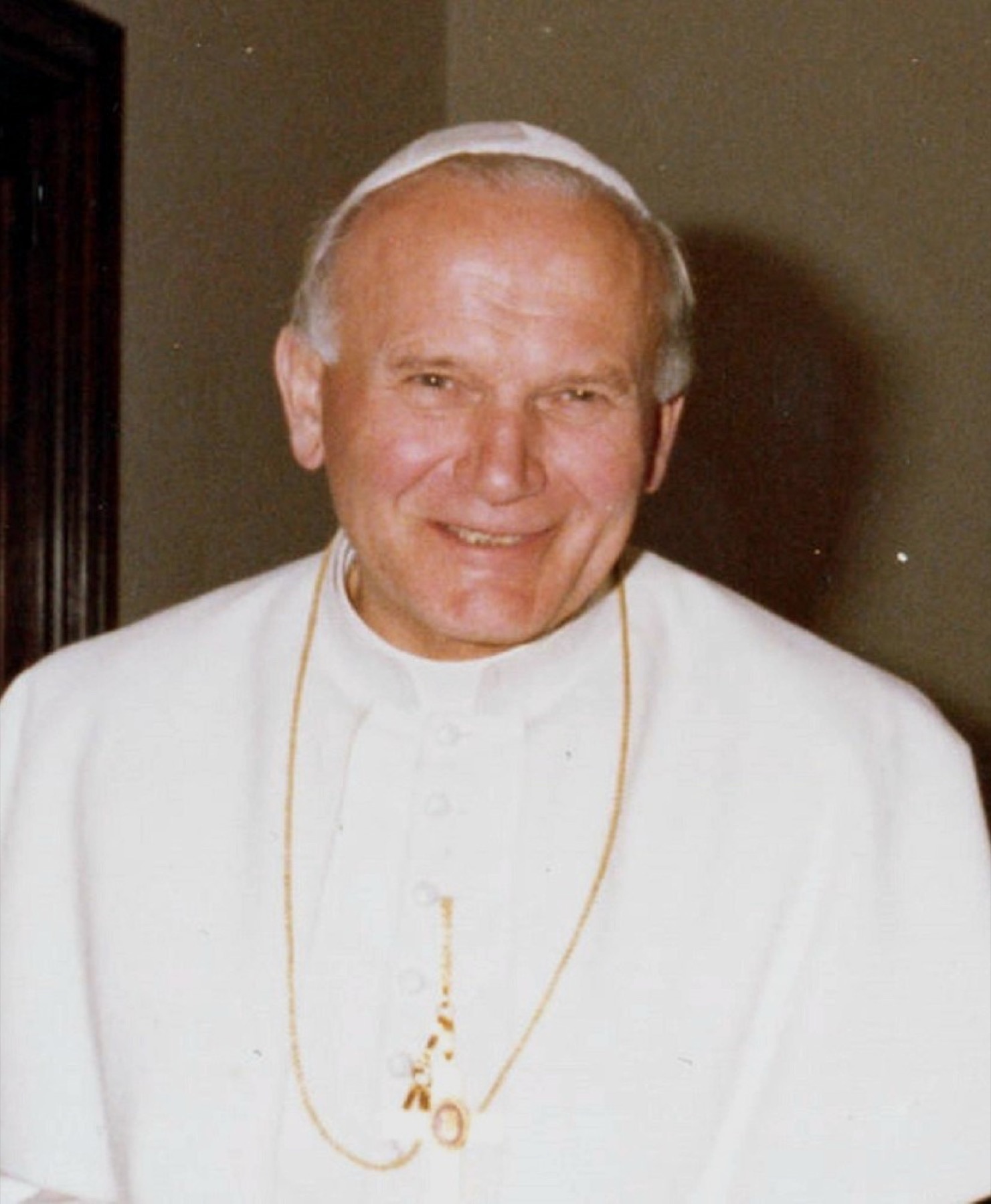 Papal / Magisterial
Ecclesia Dei — John Paul II
John Paul II guarantees “respect for rightful aspirations” of traditional Catholics, calls for “wide and generous application” of the 1962 Missal.
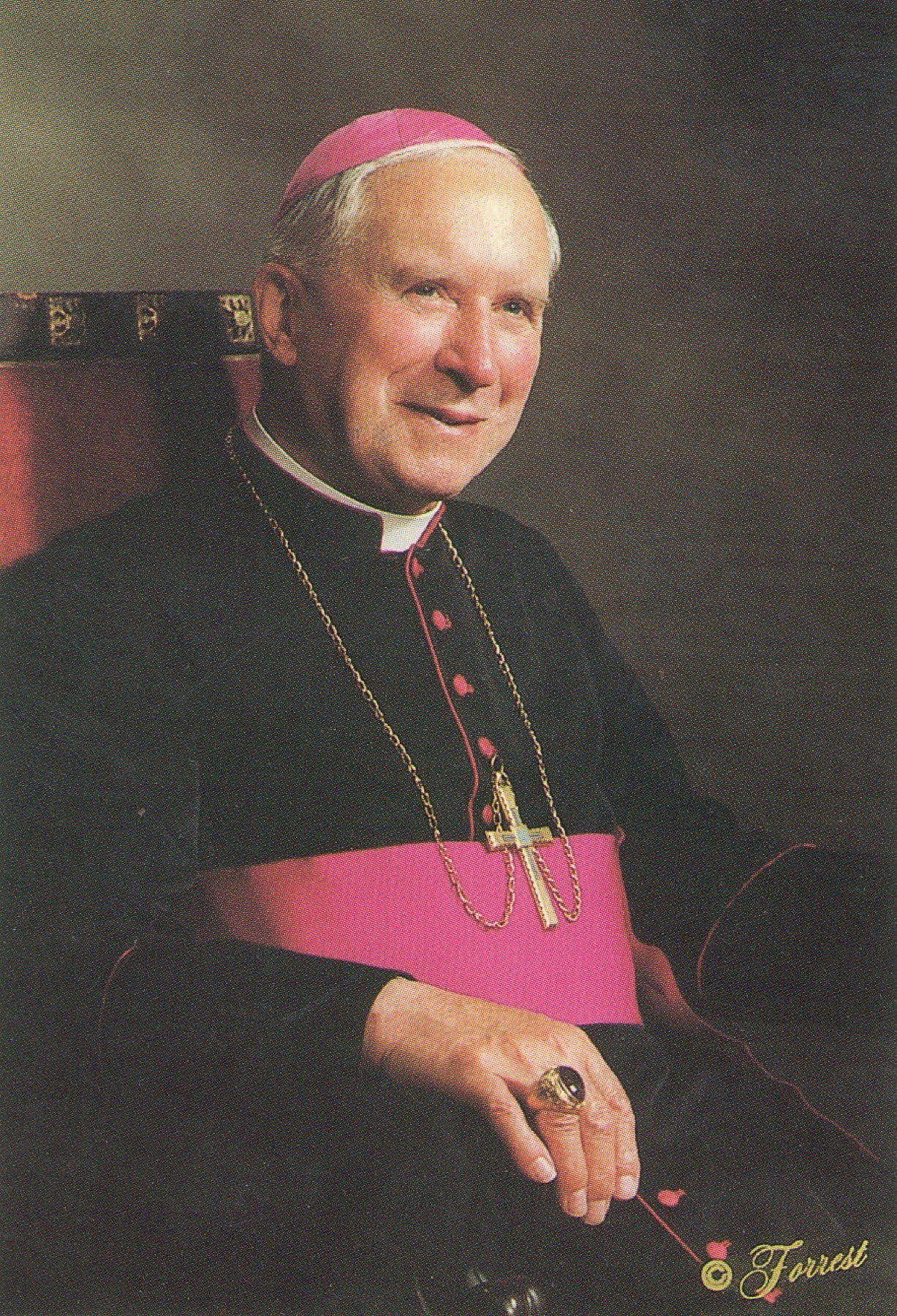 Schism & Response
The Écône Consecrations & Ecclesia Dei
Lefebvre consecrates four bishops. JPII responds with Ecclesia Dei commission.
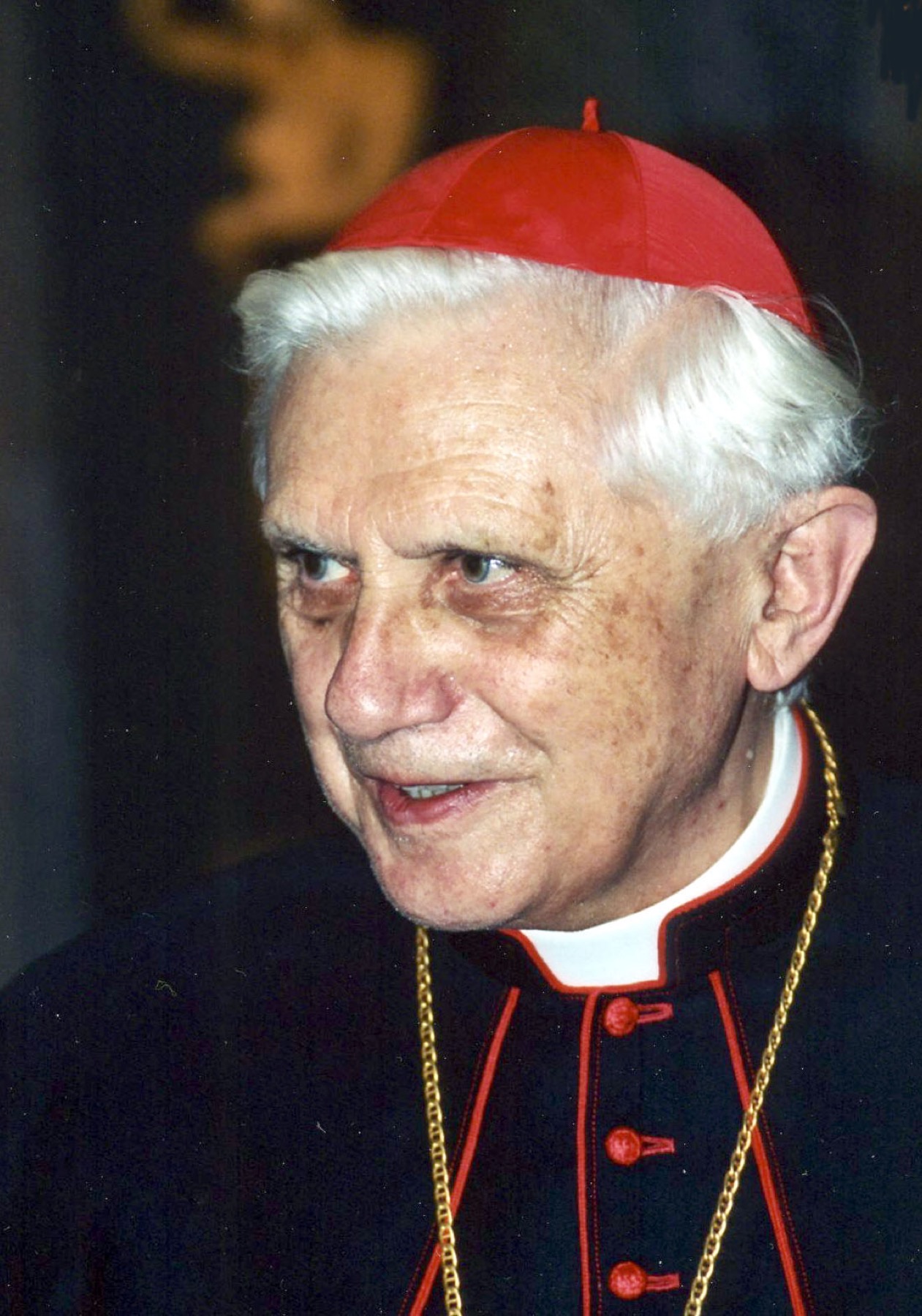 Insider Critique
Cardinal Ratzinger's Critiques
Ratzinger publishes devastating critiques: “devastation,” “fabricated liturgy,” “banal product.”
 Progressive Network
The St. Gallen Group Convenes
A group of mostly European cardinals meets privately most Januarys, unhappy with the direction of the pontificate. Danneels admitted both the meetings and the “mafia club” nickname in his authorised biography.
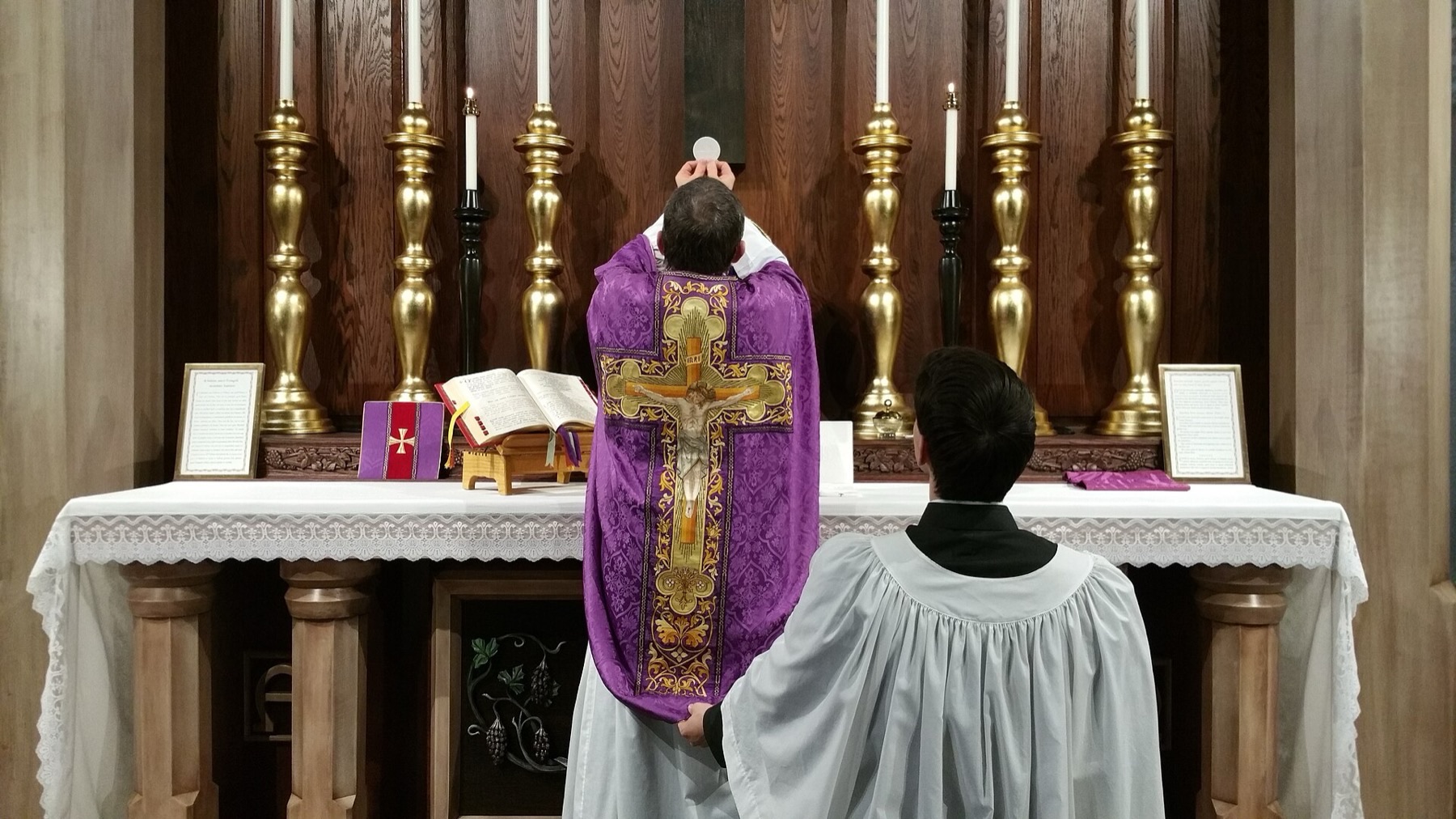 Orthodox Renewal
Ratzinger: The Spirit of the Liturgy
Cardinal Ratzinger publishes his landmark book on liturgical theology, articulating the “hermeneutic of continuity” and calling for a “reform of the reform.” The book consciously echoes Guardini’s 1918 title.
 Papal / Magisterial
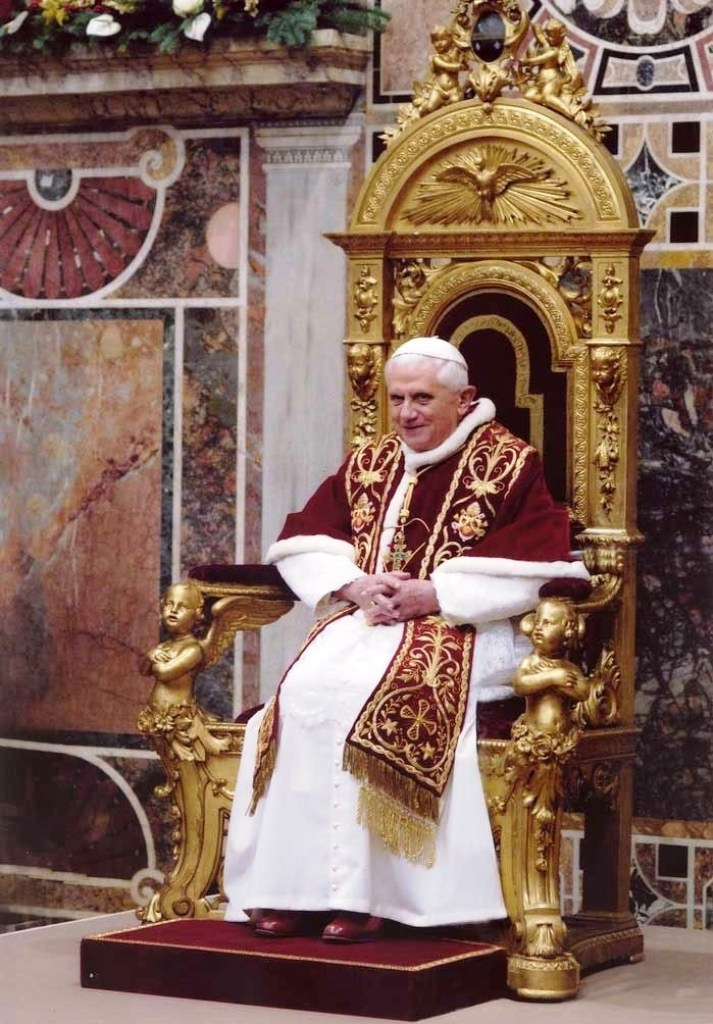
Summorum Pontificum — Benedict XVI
Benedict liberates the TLM: “never abrogated.” Every priest may celebrate it freely.
 Reconciliation Gesture
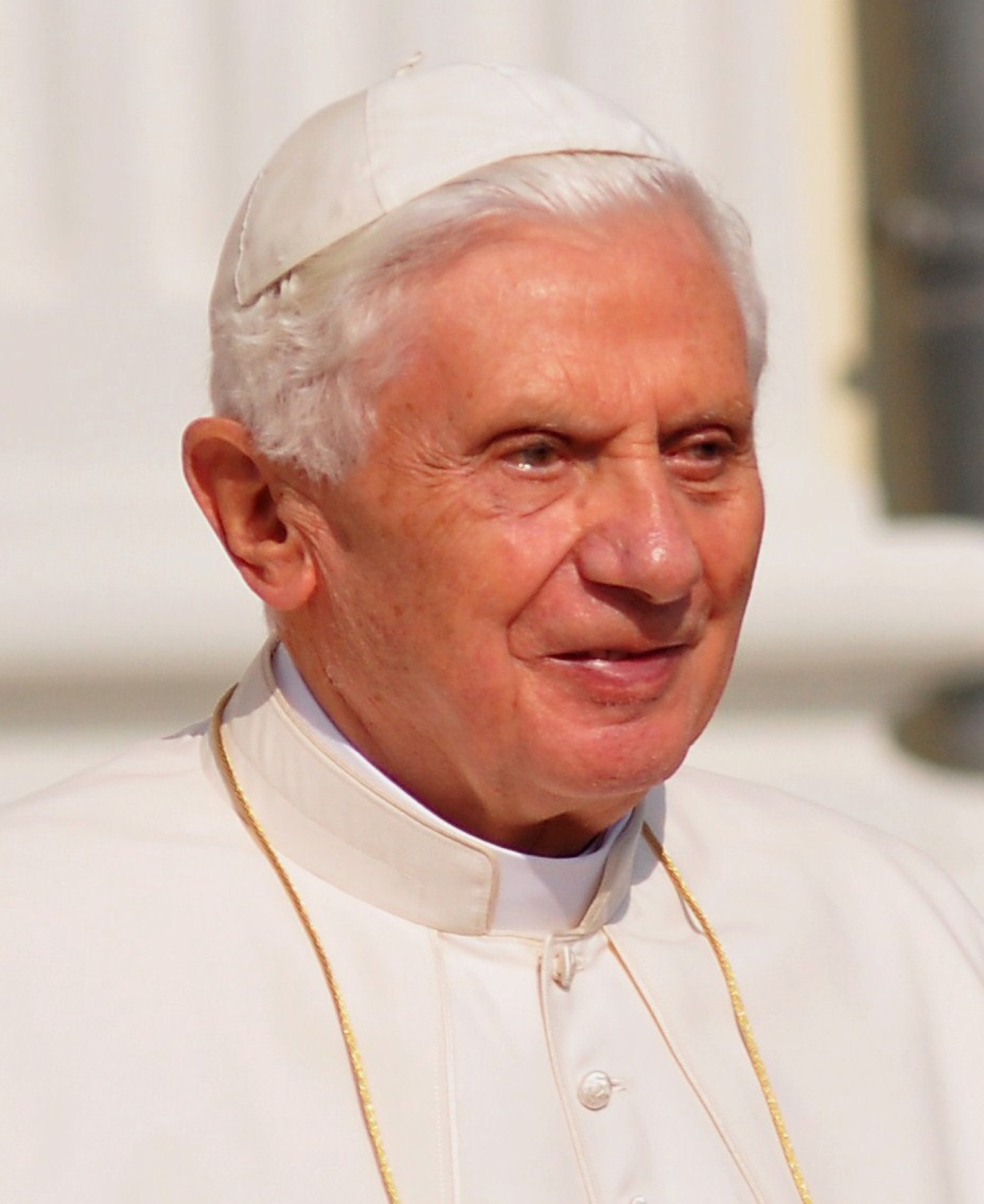
SSPX Excommunications Lifted
Benedict lifts excommunications as reconciliation gesture. Talks stall over Vatican II.
 Change of Direction
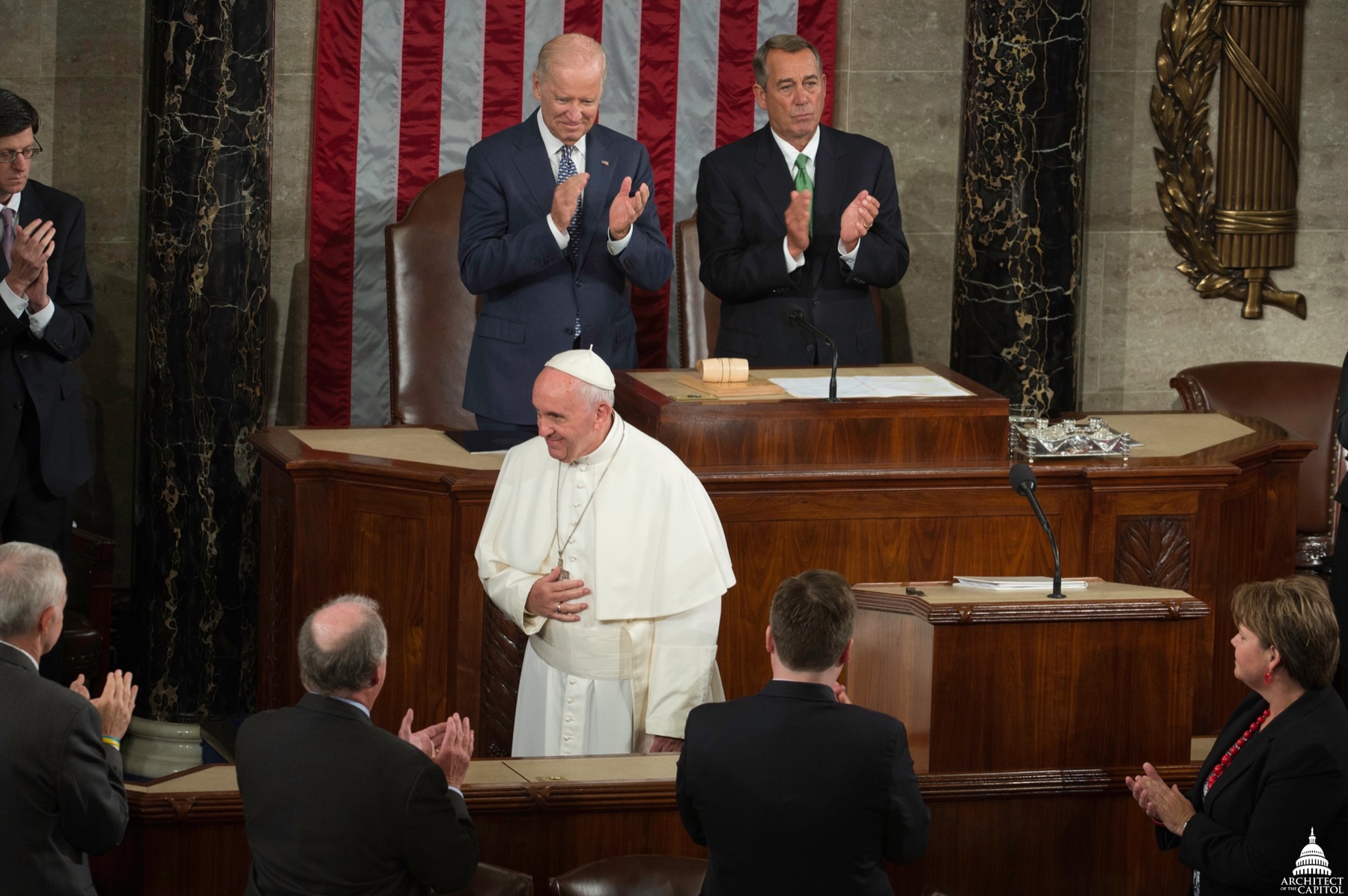
Election of Pope Francis
Bergoglio elected. Cardinal Danneels later admitted belonging to the St. Gallen group; his biographers retracted the claim that the election was prepared there.
 Rupture / Radical
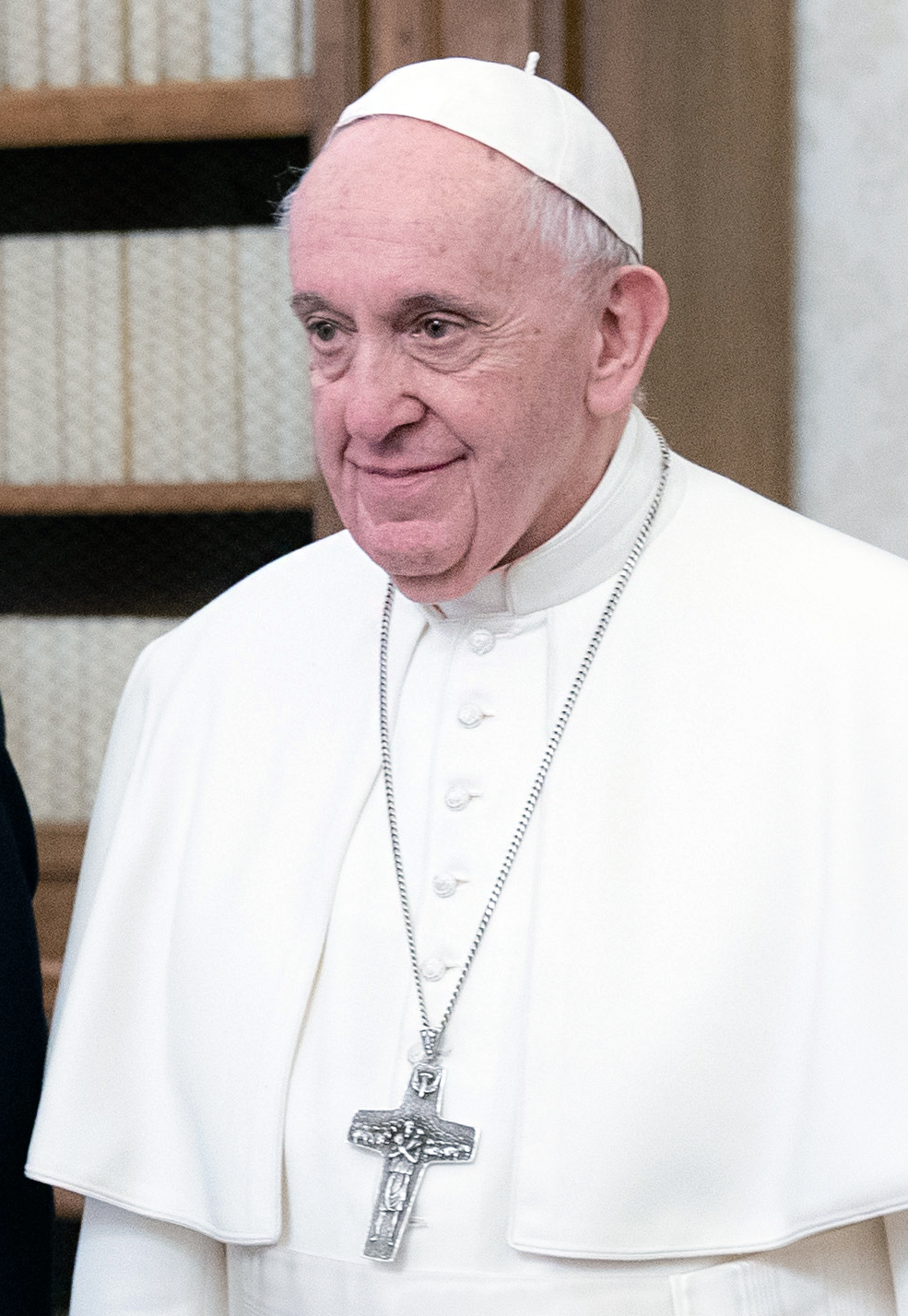
Traditionis Custodes — Francis
Francis abrogates Summorum Pontificum. Paul VI liturgy declared “unique expression.”
 Diocesan Restriction
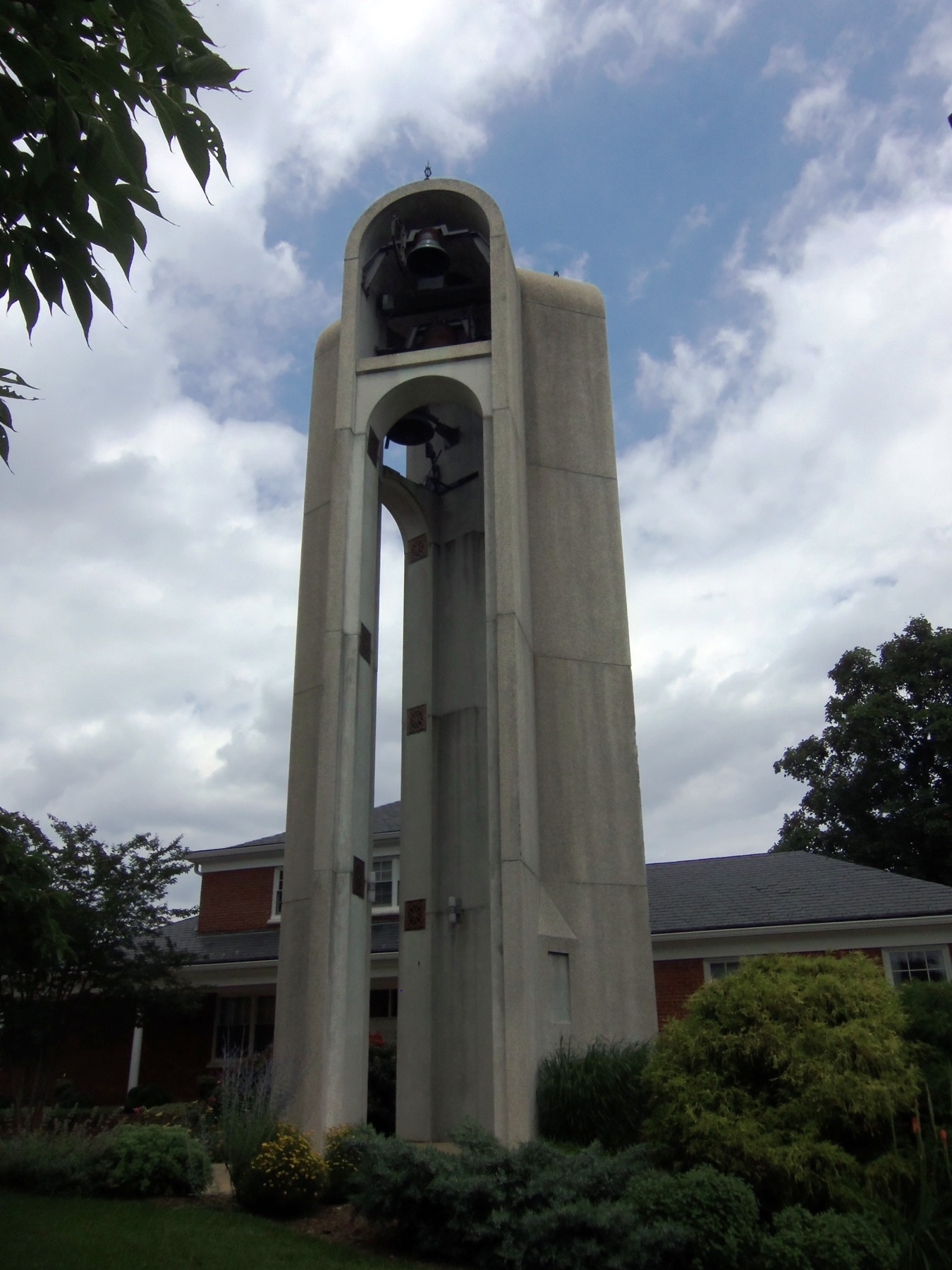
Arlington's Slow Strangulation
Diocese reduces TLM from 21 parishes to 8, bans publishing Mass times. Vatican mandates one TLM be replaced monthly.
 Orthodox Renewal
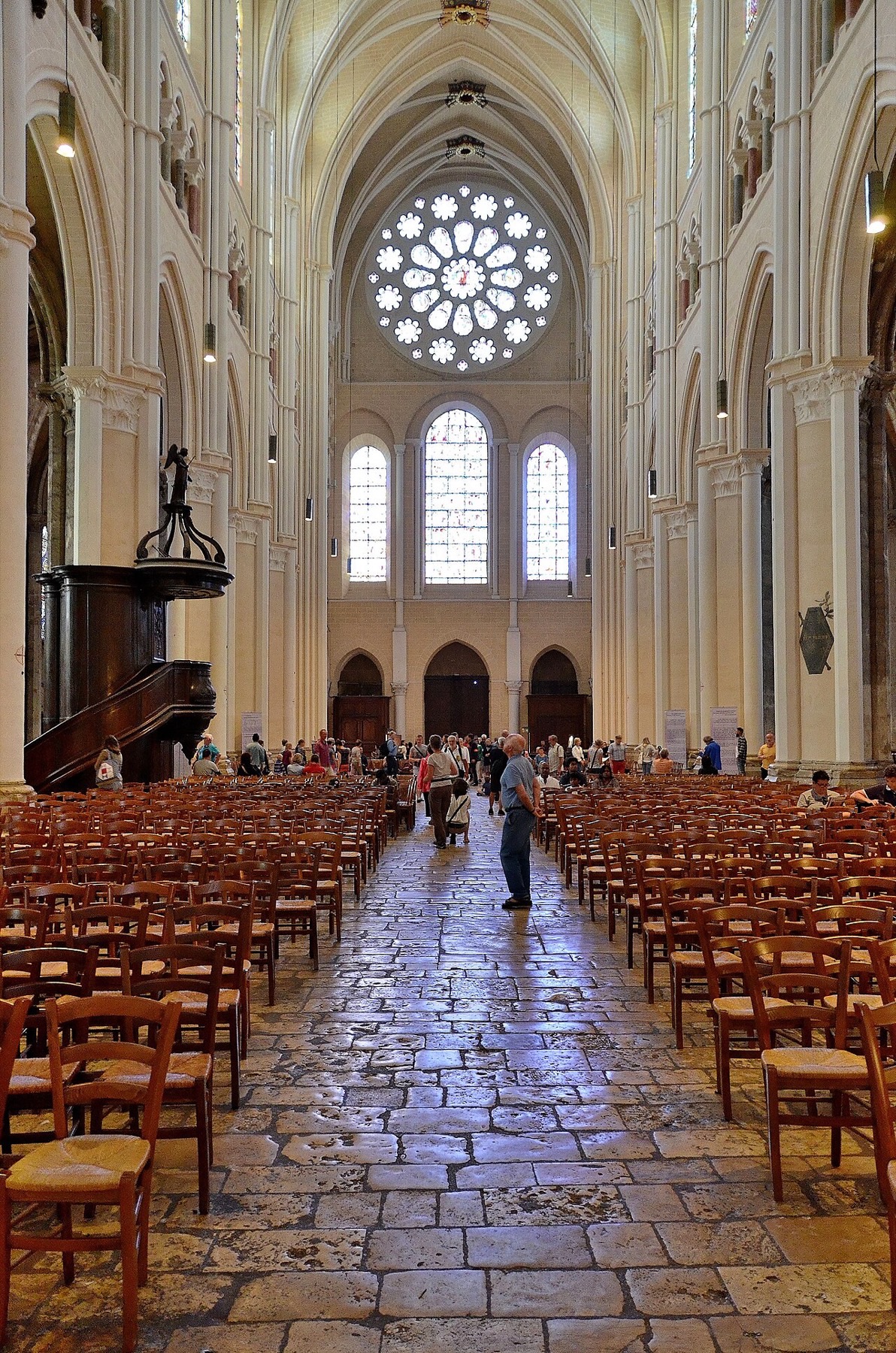
Seeds of Renewal: The New Liturgical Movement
SSPX: 733 priests (Nov 2025). FSSP: 387 priests, 162 seminarians. Chartres: 19,000 pilgrims, average age 20. In Fr. Donald Kloster’s survey of TLM attendees, 80% had considered a priestly or religious vocation.
 Vatican Pressure
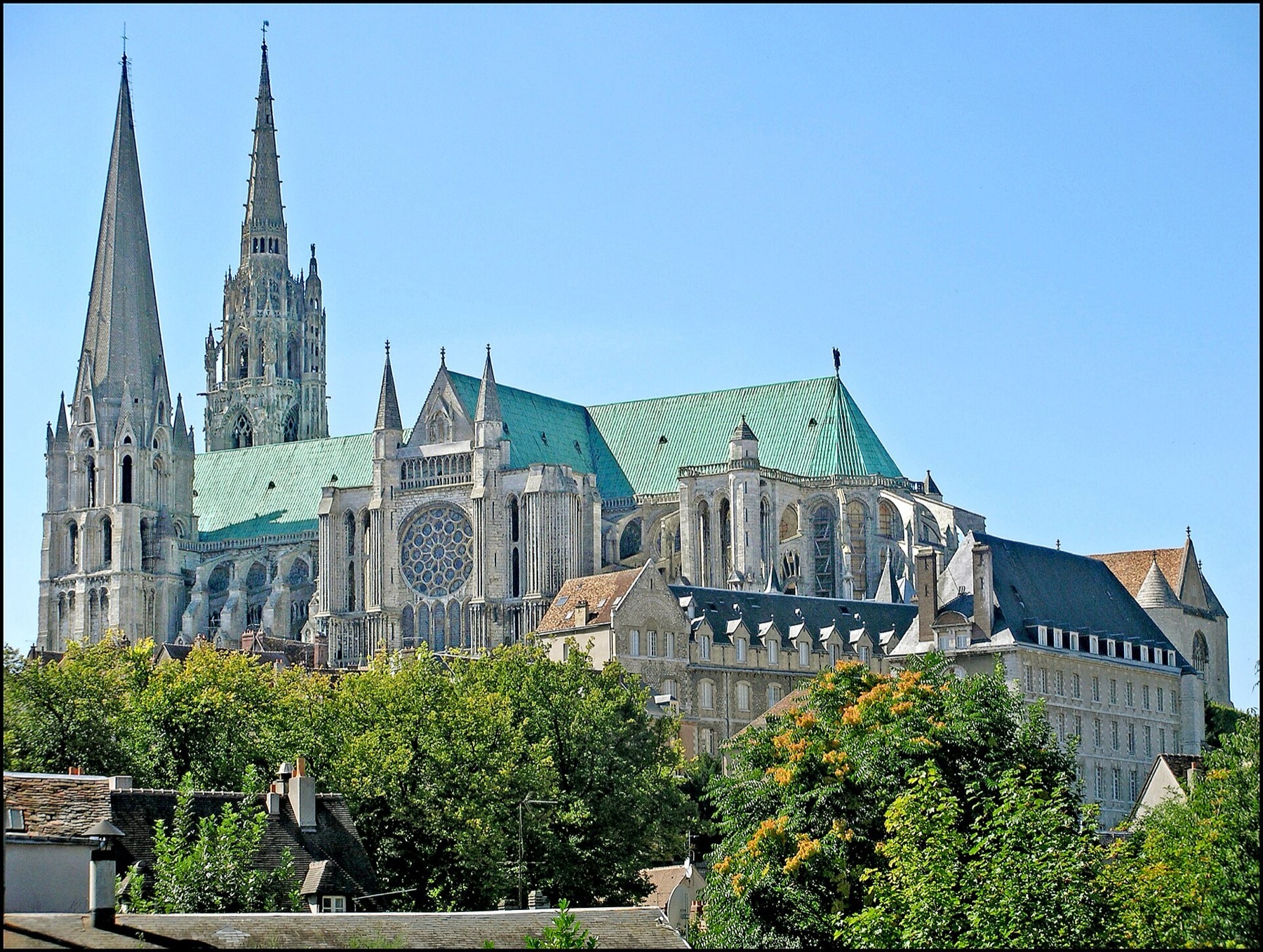
19,000 Pilgrims vs. The Vatican: Chartres Under Fire
Cardinal Roche scrutinizes world's largest TLM pilgrimage. Despite threats, 19,000 register with 2,000 waitlisted. Average age: 20.
 Diocesan Restriction
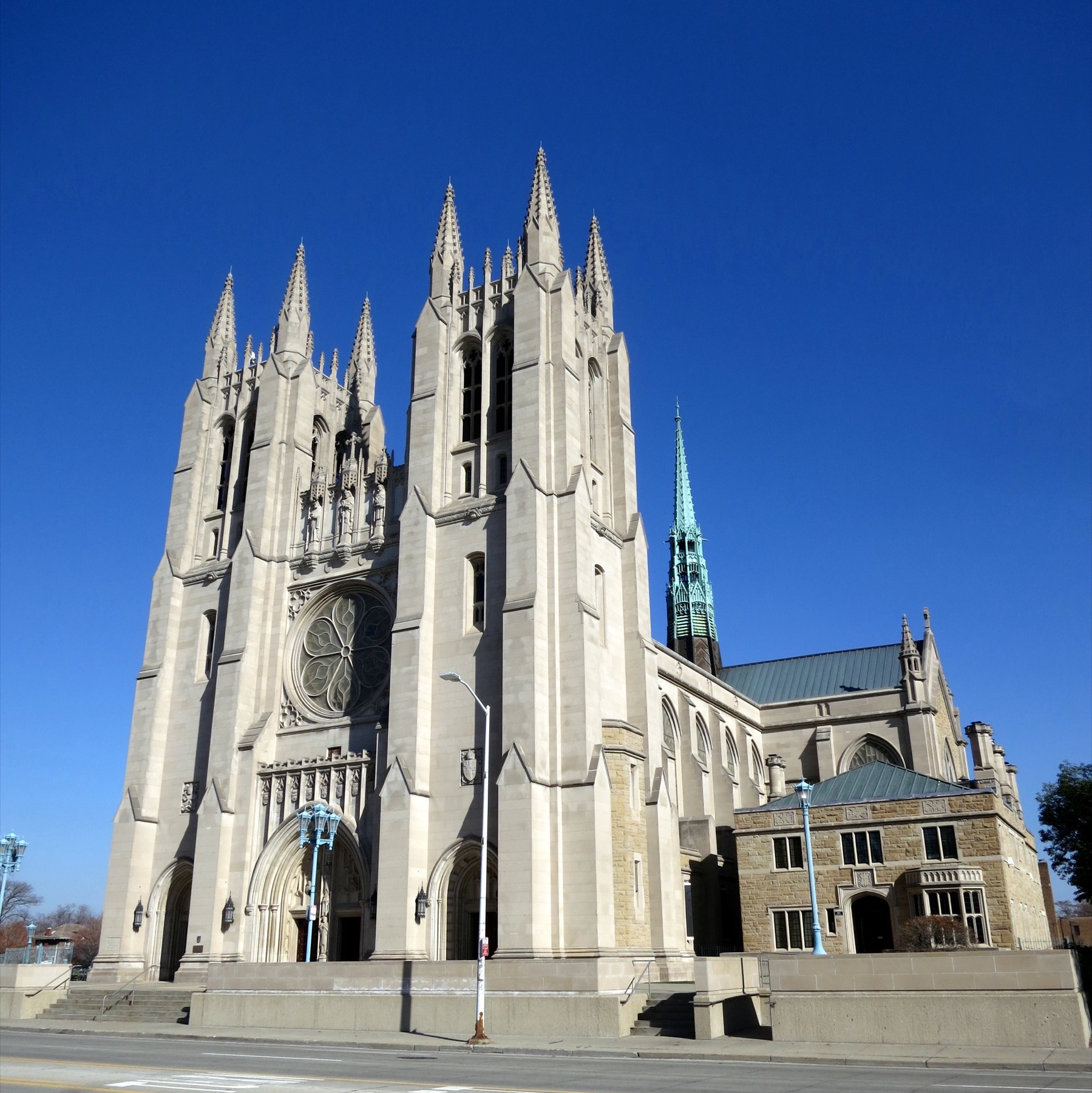
Detroit Parishes Lose the Mass
Archbishop Weisenburger ends TLM at all parish churches, citing Vatican orders. St. Joseph Shrine (ICKSP) continues.
 Diocesan Restriction
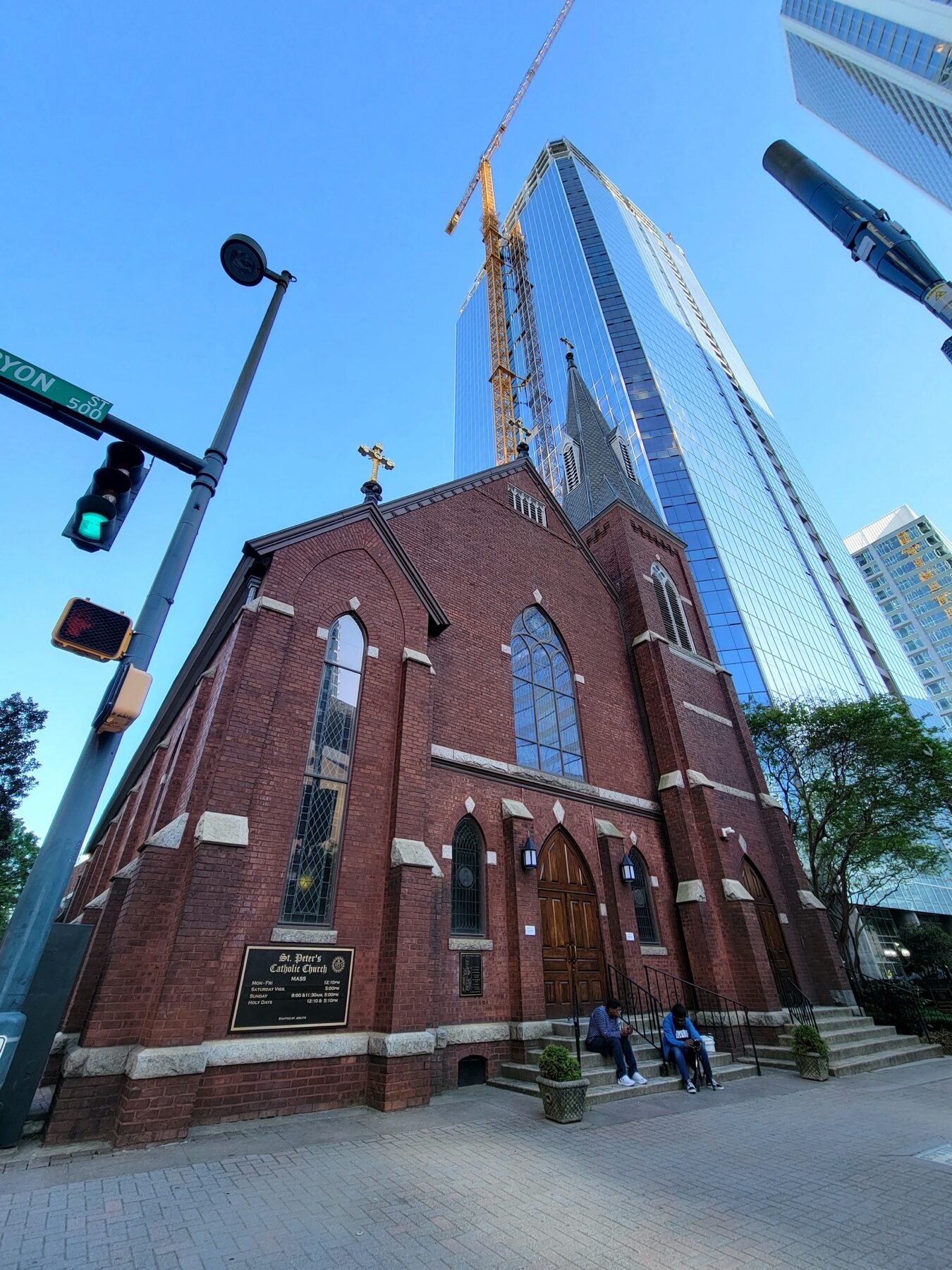
The Charlotte Crisis: Priests Revolt
Bishop Martin’s December 2025 letter ends altar rails and kneelers for Communion diocese-wide. Thirty-one priests submit dubia; a hierarchical appeal reaches Rome in February 2026.
Where do you stand in this story?
The rite this timeline follows is still offered — quietly, in parishes and chapels the world over.
Find a Traditional Latin Mass near you →